
How Long Does Fence Installation Take? A Realistic Timeline for Homeowners
February 10, 2026
- By
- Star Gate and Fence
- Fence Installation Professionals
At Star Gate and Fence, we’ve spent years helping homeowners plan and complete fence installations without surprises. One of the first questions we hear is simple: how long will this actually take? The answer depends on materials, site conditions, and permitting, and our team has seen how small assumptions can quietly add days or weeks to a project. We’ve also seen the cost of ignoring timelines. One homeowner ordered materials before checking property lines and local approvals, then had to pause mid-install while disputes were resolved. That delay meant rework, added labor, and wasted materials. Understanding the timeline upfront helps avoid those setbacks and sets realistic expectations with any professional fence company.
What Quality Fence Installation Really Includes
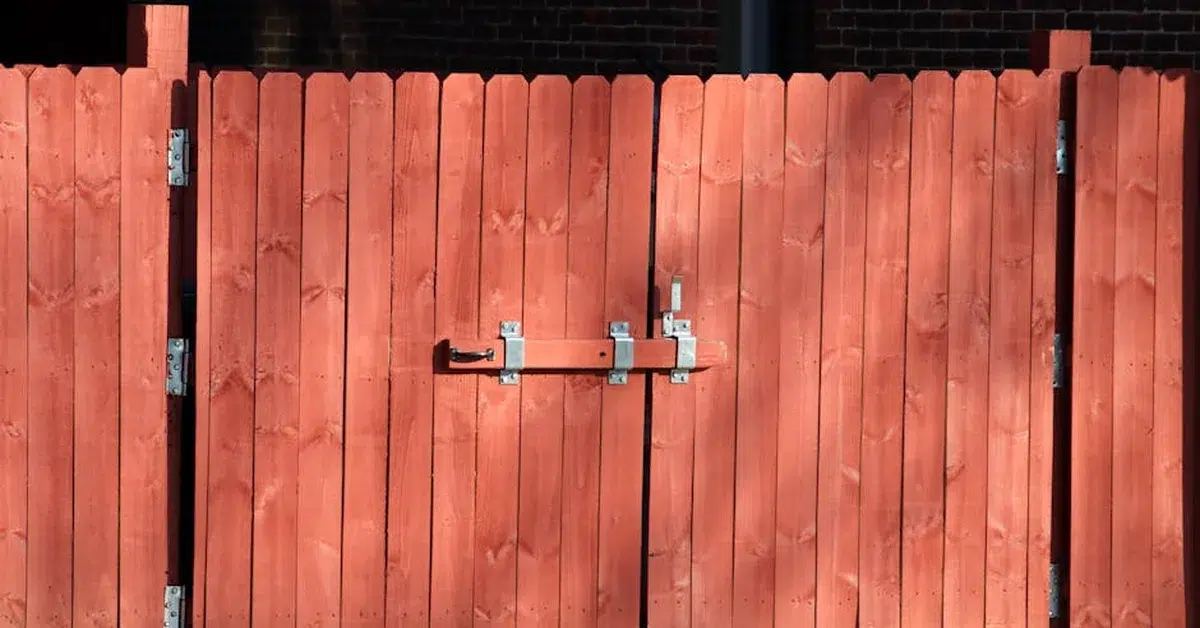
Accurate timelines come from disciplined processes, not optimistic guesses. Our team starts every project by confirming scope, codes, and site conditions before scheduling labor. That approach prevents stoppages once materials and crews are on site. High-quality service typically includes:
- Verification of property lines and required setbacks with the local authority having jurisdiction
- Material lead-time checks, especially for custom wood panels, ornamental steel, or vinyl profiles
- Post hole depths sized to soil conditions and code requirements, often 24 – 36 inches or more
- Concrete cure periods of 24 – 48 hours before hanging gates or panels
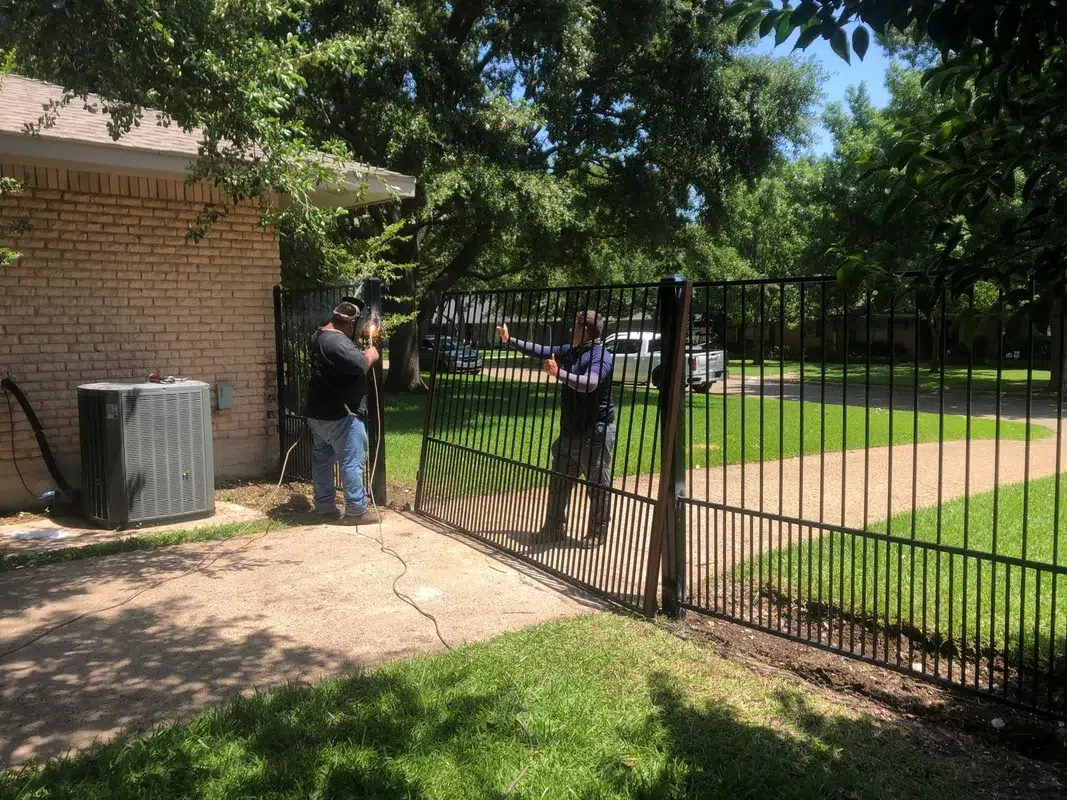
Materials, Site Conditions, and Scheduling Realities
Several variables directly affect how long a residential fence installation takes. Understanding them helps homeowners plan realistically.
- Material choice: Chain-link systems are often faster, while wood privacy fences require cutting, fastening, and sealing time.
- Terrain: Slopes, rock, or tree roots slow excavation and may require stepped or racked panels.
- Gates: Adding a pedestrian gate introduces alignment and hardware adjustments that add hours.
Plan Your Fence With Clear Expectations
If you are planning a fence project and want certainty, now is the time to contact Star Gate and Fence. Our experienced team guides you through design options, material choices, permits, and local code requirements before a start date is locked in. This proactive planning prevents last-minute delays, protects your budget, and keeps your property secure. You gain clear timelines, honest expectations, and professional workmanship from day one. Schedules fill quickly, and material availability can change fast. Call or request a consultation today to secure your place, review site conditions, and move forward with confidence on a fence built right.
FAQs
How long does a typical residential fence installation take?
Most residential fence installations are typically completed within one to three working days after construction officially begins. However, the overall timeline is usually longer because several important steps occur before any posts are set. Planning, property surveys, permit applications, and material ordering all take place in advance and can add meaningful time to the schedule. In our experience, permit approvals and required inspections may add several days or even weeks, particularly in areas with strict local regulations or homeowners association guidelines. Weather conditions are another key factor, since rain or extreme temperatures can delay excavation, post setting, and concrete curing. Clear communication, realistic expectations, and early preparation help homeowners avoid unnecessary stress, prevent rushed decisions, and ensure the project moves forward as smoothly as possible from start to finish.
What part of the process causes the most delays?
Permitting and site preparation remain the most common sources of project delay, and they often affect timelines more than installation itself. Before work can begin, property lines must be verified, setback requirements confirmed, and local codes reviewed to ensure full compliance. Each of these steps can involve coordination with municipalities or surveyors, which adds time. Inspections are another factor, since scheduling depends on inspector availability and approval windows. Material availability can also extend schedules, especially when projects include custom wood selections or ornamental components that require special fabrication or shipping. We have seen projects slowed simply because posts were ordered in the wrong length for specific soil conditions or grade changes on the site. When these details are addressed early, crews can arrive fully prepared, reduce rework, and keep installation days focused, efficient, and predictable.
How much does fence installation usually cost and how does that affect timing?
Residential fence installation costs often begin in the low thousands and can rise depending on selected materials, layout complexity, and overall project requirements. Wood, vinyl, aluminum, and composite options each carry different price points, maintenance expectations, and installation timelines. Costs may also vary based on terrain conditions, property access, local permitting requirements, and the need for grading or removal of existing fencing. Design choices such as custom heights, decorative elements, or specialty gates can add to both material expenses and labor time. Larger perimeters typically require more materials and crew hours, which can extend the installation schedule by several days. Market conditions and seasonal demand may also influence availability and pricing. All figures provided are intended as general guidelines for planning purposes only. They should not be considered a formal estimate or guarantee. A professional on site evaluation is necessary to assess site conditions, confirm design details, and deliver an accurate, customized proposal.
Can homeowners install a fence themselves to save time?
DIY installation can be a reasonable option for short and straightforward fences on flat ground, especially when local codes allow homeowner installation. It may appeal to people who enjoy hands on projects and want to reduce upfront costs. However, many homeowners underestimate critical factors such as proper post depth, precise alignment, soil conditions, and adequate concrete cure times. Small errors in these areas can lead to leaning posts, uneven panels, or premature wear. We have seen DIY projects stretch on for weeks or even months due to rework after failed inspections or weather related delays. In contrast, professional installation is often completed much faster. Experienced crews arrive with specialized equipment, clear workflows, and a strong understanding of permitting requirements. They can adapt to unexpected terrain challenges, coordinate inspections efficiently, and deliver a finished fence that meets both code and long term performance expectations.
What maintenance issues should homeowners watch for after installation?
After installation, it is important to actively monitor the fence or gate for post movement, gate sag, and loose fasteners. These conditions commonly develop during the first season, especially if the soil was not fully compacted, drainage was overlooked, or hardware alignment was slightly off during setup. Regular visual inspections help identify subtle changes before they become serious problems. Check posts for shifting, verify that gates swing freely and close evenly, and tighten any bolts or screws that show signs of loosening. Making small adjustments early helps preserve structural integrity, appearance, and security. Routine maintenance also reduces stress on hinges and joints, extending the overall lifespan of the installation. By addressing minor concerns promptly, you can avoid costly repairs, significant realignment, or premature replacement later on, ensuring the structure continues to perform as intended for years to come.
What are common mistakes that extend installation timelines?
Common mistakes on construction and renovation projects often begin with ordering materials before measurements are fully confirmed. Even small discrepancies can lead to costly returns, delays, or rework once installation begins. Another frequent issue is ignoring changes in slope or grade, which can affect drainage, structural alignment, and overall safety. Teams also sometimes skip permit checks or assume approvals are already in place, only to face stop work notices later. Poor weather planning is another source of disruption, especially when schedules do not account for seasonal conditions or forecasted storms. Each of these problems can bring progress to a halt and force crews to wait while corrections are made. Thoughtful planning, clear documentation, and early coordination help prevent downtime, reduce stress, and keep projects moving forward on a predictable timeline.
What should homeowners look for when hiring a fence contractor?
When evaluating a contractor, begin by confirming proper licensing, active insurance coverage, and clear familiarity with local building codes and permitting rules. Ask detailed questions about how timelines are created, what factors may cause changes, and whether required inspections are included in the scope of work. A qualified contractor should be able to explain post depth requirements, material choices, drainage considerations, and concrete cure times in plain language. They should also discuss how weather and site conditions affect scheduling. Transparency in these explanations is important because it shows the contractor understands the process and is not rushing critical steps. Clear documentation, written estimates, and realistic milestones further indicate professionalism. When a contractor communicates openly and answers questions confidently, it is more likely the proposed schedule is practical, safe, and designed to deliver durable results rather than quick completion.
When should a homeowner schedule professional help if timing is critical?
If a fence is needed for pets, privacy, or compliance, it is wise to schedule assistance as early as possible. Many delays occur when permits, surveys, or material selections are left until the last moment. While this type of work is not an emergency service, proactive planning helps prevent unwanted gaps in security, safety, or local code compliance. Reaching out to experienced professionals early provides valuable time to review property lines, confirm regulations, and choose durable materials that fit the environment and budget. Early coordination also improves scheduling flexibility, which can reduce costs and avoid rushed decisions. By planning ahead, homeowners and property managers gain peace of mind, maintain continuity of protection, and ensure the finished fence meets both functional needs and long-term expectations without unnecessary stress or disruption.