
Best Materials for Residential Fence and Gate Installation
February 24, 2026
- By
- Star Gate and Fence
- Fence and Gate Installation Experts
At Star Gate and Fence, we’ve helped homeowners evaluate fencing and gate options for years of experience, and we’ve noticed one consistent challenge: most people choose materials based on appearance alone. This guide breaks down the best materials for residential fence and gate installation so you can make a decision based on durability, safety, and long-term value – not just curb appeal. If you’re still comparing basic styles, our overview of gates and openers 101 is a helpful starting point. We’ve seen the cost of choosing wrong. One homeowner selected untreated wood posts to save money, and within three years, rot at the ground line caused the gate to sag and fail. The repair required full post replacement and new hardware – far more expensive than installing the right material from day one.
Pros, Cons, and What to Watch For
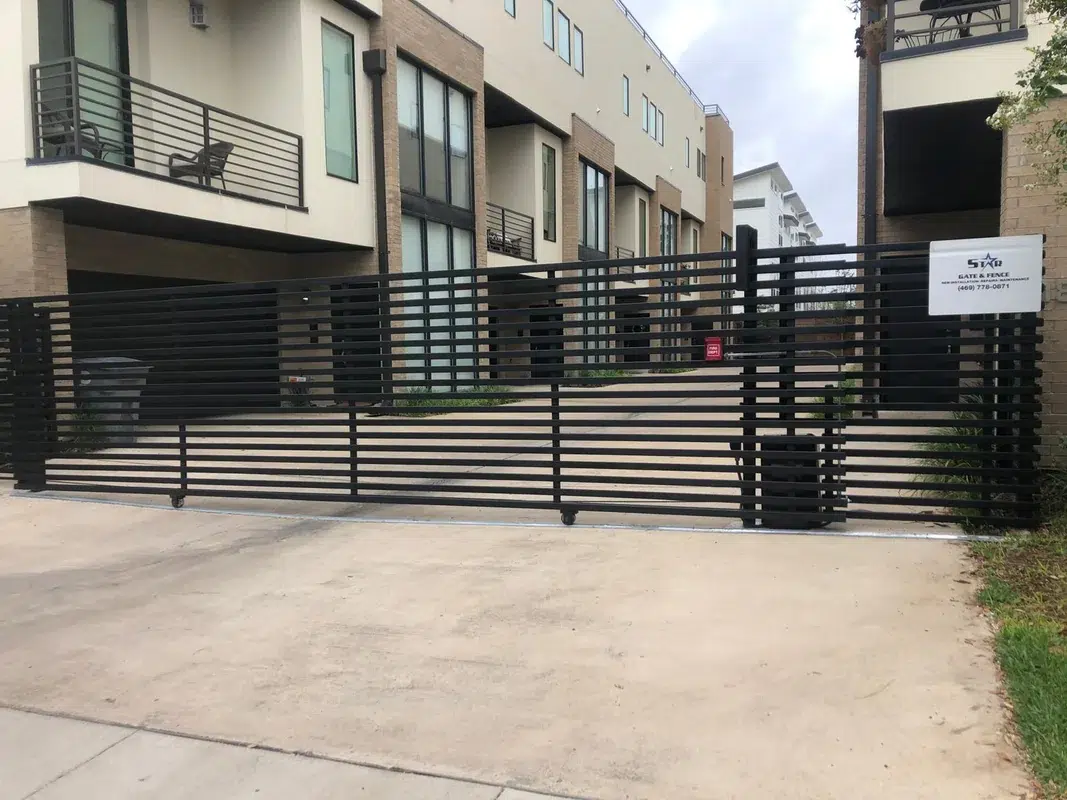
The most reliable installations follow clear performance standards. We evaluate soil conditions, wind exposure, intended use, and maintenance tolerance before recommending materials. Excellent service includes proper post depth, corrosion-resistant fasteners, and hardware rated for the gate’s actual weight – not estimates. Here’s how common materials compare:
- Pressure-Treated Wood: Affordable and customizable. With proper sealing and ground-contact-rated posts (UC4B or higher), it performs well. It can warp or split if not maintained. Avoid installations using untreated pine posts in soil.
- Cedar: Naturally resistant to insects and decay. It requires periodic staining to prevent surface checking and color fading. Thin pickets under 5/8″ often bow over time.
- Vinyl (PVC): Low maintenance and clean appearance. Quality vinyl includes internal aluminum reinforcement in gate frames. Systems without reinforcement tend to sag.
- Aluminum: Rust-resistant and lightweight. Ideal for decorative or pool code-compliant fencing. Ensure welds are powder-coated and not just painted.
- Steel/Wrought Iron: Strong and secure. Requires galvanized coating plus powder finish to prevent corrosion. Untreated weld joints are common failure points.
- Composite: Resists rot and insects. Heavier than wood; posts and rails must be structurally rated for load.
What to Ask Before You Commit
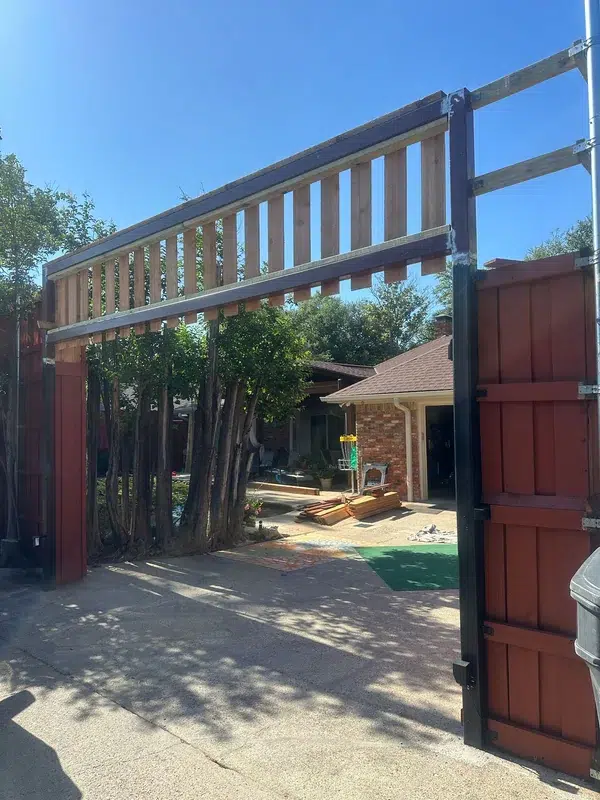
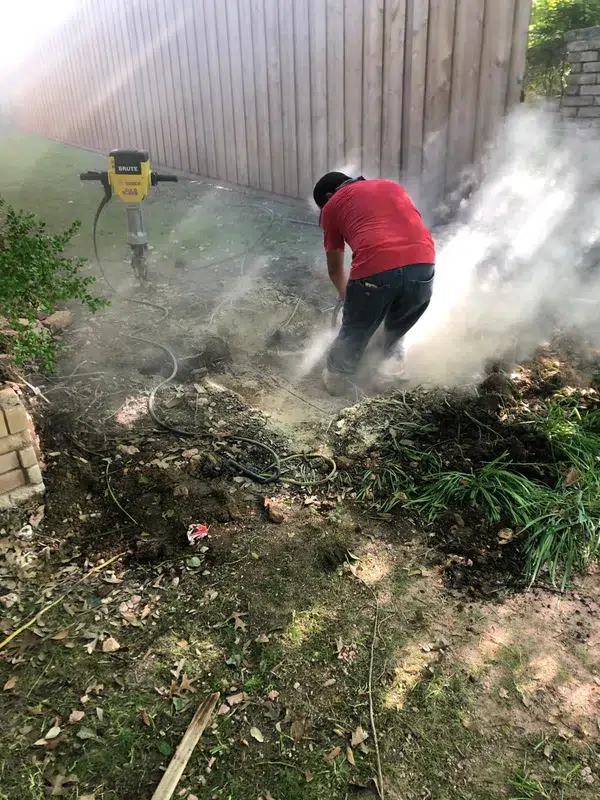
Choosing the right fencing solution starts with a thorough local site evaluation, which ensures your investment performs well in our area’s specific soil and weather conditions. We guide homeowners through a clear step by step process that prioritizes durability, safety, and long term value. This includes a detailed site assessment covering soil type, slope, and drainage patterns, followed by utility marking and a full review of local building codes. From there, we specify materials and hardware designed to withstand regional temperature shifts and seasonal moisture changes. Proper post setting and cure time, typically 24 – 48 hours for concrete, ensures structural stability. We then complete gate alignment, hardware installation, and load testing to confirm smooth daily operation. Local expertise makes a measurable difference. In one recent project, a homeowner selected composite panels for added privacy but did not initially upgrade the hinge posts. Because we understand how added weight impacts performance over time, we reinforced the structure with steel posts and adjustable tension hinges, preventing premature sagging and extending the fence’s lifespan. Typical cost ranges in the area may include wood fencing at $20 – $40 per linear foot, vinyl at $25 – $50, aluminum at $30 – $60, and steel or ornamental iron at $35 – $75+ per linear foot. Standard residential projects often take 2 – 5 days. An on site evaluation ensures accurate pricing and dependable results tailored to your property.
Make the Right Choice Before You Build
Choosing the best materials for residential fence and gate installation affects your home’s safety, maintenance costs, and long-term value. We guide homeowners through soil conditions, structural requirements, and code compliance so every post, panel, and hinge performs as intended. Our team evaluates real-world load factors, drainage, and usage patterns before recommending materials. If you’re weighing wood versus composite, aluminum versus steel, or planning an automated gate, get expert input before committing. We provide detailed assessments, clear explanations, and realistic pricing so you can move forward with confidence. A well-built fence or gate should last for years – not become a repair project in three seasons.
FAQs
What is the most durable material for a residential fence and gate?
Steel and aluminum are widely considered the most structurally durable materials for gates, particularly in applications where the gate must support significant weight and withstand frequent opening and closing cycles. Galvanized steel that is finished with a high quality powder coating delivers excellent impact resistance and long term strength. Aluminum, while lighter in weight, naturally resists corrosion and performs exceptionally well in humid or coastal environments where rust is a concern. Even so, the longevity of any metal gate depends heavily on correct installation. Support posts should typically be embedded 24-36 inches into the ground, set in concrete, and paired with hinges and latches that are properly load rated. Wood can also provide impressive durability when pressure treated posts rated for ground contact, such as UC4B or higher, are used and sealed on a consistent maintenance schedule. Composite materials resist rot and insect damage but often require reinforced framing because of their added weight. Ultimately, climate conditions, expected maintenance, and daily usage demands should guide the final material choice.
Is wood still a good option compared to vinyl or metal?
Wood remains a strong and dependable fencing option when it is installed using sound structural practices. Cedar and pressure-treated lumber are especially popular because they offer natural beauty, warmth, and flexibility in design. Homeowners can choose from various styles, heights, and finishes to complement the look of their property. Another advantage of wood is that it is generally easier to modify or repair than vinyl. If a board becomes damaged, it can usually be replaced individually rather than removing an entire section. However, wood does require consistent maintenance. Staining or sealing every 2 – 3 years is essential to protect against moisture intrusion, rot, and UV damage that can cause fading or warping. Vinyl fencing offers lower maintenance but should include internal reinforcement, particularly for gates, to prevent sagging over time. Metal fencing provides greater security and a longer structural lifespan, though it typically comes with a higher upfront investment. Homeowners who value natural aesthetics and do not mind routine upkeep often prefer wood. Those seeking minimal maintenance commonly choose vinyl or aluminum. The best option ultimately depends on your budget, maintenance expectations, and how long you plan to remain in your home.
How much does a new residential fence and gate typically cost?
Residential fence installation costs can vary widely depending on materials, design, and site conditions. Basic wood fencing often begins at approximately $20 per linear foot, while premium materials such as ornamental steel or aluminum can exceed $75 per linear foot. Decorative elements, custom layouts, and upgraded finishes will increase overall investment. Gate installation is priced separately in most cases. A standard walk gate may start around $300, while a custom driveway gate with automation, access controls, and reinforced framing can reach $8,000 or more. Several factors influence final pricing. Sloped or uneven terrain, rocky soil, and limited site access can require additional labor and equipment. Material grade, post depth, concrete volume, hardware durability, and protective coatings all contribute to long term performance and cost. Larger properties may benefit from economies of scale, while intricate designs require more craftsmanship. Most standard residential projects are completed within 2-5 days, though complex builds may take longer. These figures are general benchmarks for planning purposes and are not a binding quote. A detailed on site evaluation is necessary to provide an accurate proposal tailored to your property.
Can I install a residential fence or gate myself?
DIY fence installation can be a practical option for short, lightweight runs installed on flat, stable ground. Many homeowners successfully complete small wood privacy projects using preassembled panels and basic tools. With careful measuring and consistent post spacing, these projects can produce attractive results. However, installing gates introduces a higher level of difficulty. Proper hinge placement, exact post depth, and accurate load calculations are essential for long term performance. Even a minor alignment issue can cause a gate to sag, drag, or fail to latch correctly. Posts must be set below the frost line where required, secured with properly mixed concrete, and braced during curing to prevent shifting. We have seen cases where driveway gates were installed without accounting for wind pressure or weight distribution, leading to leaning posts within months. Projects involving slopes, heavy materials, automation systems, or local code requirements benefit greatly from professional expertise. While DIY installation may reduce initial labor expenses, repairing structural mistakes often costs more than hiring an experienced installer from the start.
How do I maintain different fence materials?
Maintenance requirements vary by material, and consistent care is essential for maximizing the lifespan of any fence. Wood fencing benefits from thorough cleaning and resealing every 2 – 3 years to guard against weather damage. Applying a penetrating oil-based stain or a high-quality acrylic stain helps protect the wood from UV exposure, moisture intrusion, and premature cracking. It is also important to inspect fence posts at the ground line at least once a year, since this area is most vulnerable to rot and insect damage. Vinyl fencing requires less intensive maintenance but should still be washed periodically using mild detergent and water to remove dirt, mildew, and environmental residue. Avoid abrasive brushes or pads that can scratch the surface and dull its appearance. Metal fences should be inspected for signs of rust, especially around weld joints and connection points. Promptly touching up chipped powder coating prevents corrosion from spreading. Gate hardware needs regular lubrication with silicone-based or white lithium grease, not penetrating oil, which can attract dust and debris. Checking and tightening fasteners annually helps prevent gradual loosening and structural instability. Consistent preventive maintenance reduces long term repair costs and preserves structural integrity.
What are the most common problems with residential gates?
Gate sagging is one of the most frequent problems homeowners encounter, and it is usually the result of structural weaknesses rather than faulty materials. Posts that are undersized or set too shallow in the ground often lack the strength to support the full weight of the gate over time. If concrete footings are not properly mixed or allowed to cure correctly, shifting soil and seasonal ground movement can gradually pull posts out of alignment. Once a gate begins to sag, latches may no longer line up properly, hinges experience uneven stress, and the entire system wears out faster than expected. For metal gates, corrosion often begins at poorly treated weld seams, especially if protective coatings were not applied thoroughly. Wooden gates require correct cross bracing, which should run from the bottom hinge side to the top latch side to counteract gravity. Automated gates introduce additional complexity, as misaligned frames and improperly adjusted limit switches can cause premature motor failure. In most cases, these issues stem from installation shortcuts. Correcting the structural foundation of the gate prevents repeated repairs and extends its service life.
What should I look for when hiring a fence contractor?
Look for proof of insurance, clear written proposals, and detailed material specifications before hiring any fence contractor. A true professional will take time to explain important structural elements such as post depth, proper concrete mix ratios, drainage considerations, and hardware load ratings, not just the finished appearance. Ask whether they follow American Fence Association guidelines and comply with all local building codes and permit requirements. Quality contractors willingly provide references from recent projects and clearly outline warranty terms for both labor and materials. Be cautious of unusually low bids, as they may exclude critical reinforcement, use light-duty hinges, or substitute lower grade materials. Make sure the written scope of work includes site preparation, debris removal, alignment checks, gate adjustments, and a final inspection. Contractors should also confirm property lines and arrange utility markings before digging to prevent costly mistakes. Clear communication about timeline, materials, and expectations helps prevent disputes. The right contractor prioritizes structural integrity, safety, and code compliance rather than speed alone.
When should I replace my fence or gate instead of repairing it?
Replacement becomes necessary when structural components fail, not just when surface materials look worn. Fence posts that have rotted at the ground line, shifted due to soil movement, or developed cracks that compromise stability are strong indicators that a full replacement may be required. In metal fencing, extensive corrosion that weakens rails or support posts often signals deeper structural failure. When more than 25-30% of boards, pickets, or panels are damaged, warped, or missing, ongoing repairs can become inefficient and more expensive than installing a new fence section. Gates that continue to sag even after hinge adjustments or hardware replacements typically point to post instability or foundational issues. While surface wear, fading, peeling paint, or light rust can often be resolved with routine maintenance, structural instability creates safety and liability concerns. If you notice posts moving when pushed, widening gaps between panels, or recurring latch misalignment, schedule a professional evaluation. An early assessment clarifies whether targeted repairs will restore integrity or if full replacement offers better long term value and security.