
Automatic Gate Opener Installation Cost in Dallas: Myths, Reality, and What You’re Really Paying For
June 23, 2026
- By
- Star Gate and Fence
- Gate Automation Specialists
Many homeowners assume an automatic gate opener is a simple add-on that should cost about the same as a garage door motor. At Star Gate and Fence, we’ve been helping clients understand Automatic Gate Opener Installation Cost in Dallas for years of experience, and we’ve noticed that pricing confusion often leads to poor installation decisions. We recently met a Dallas homeowner who bought an opener online, only to discover their gate posts and power supply weren’t compatible. You can see how gate structure affects automation in our gate installation guide. The biggest misconception is that the opener is the only expense. In reality, improper wiring, undersized hinges, or missing safety devices can create safety hazards and code violations. We’ve seen installations fail inspection because installers ignored required entrapment protection devices, forcing costly rework and delays.
Standards, Safety Devices, and Proper Site Preparation
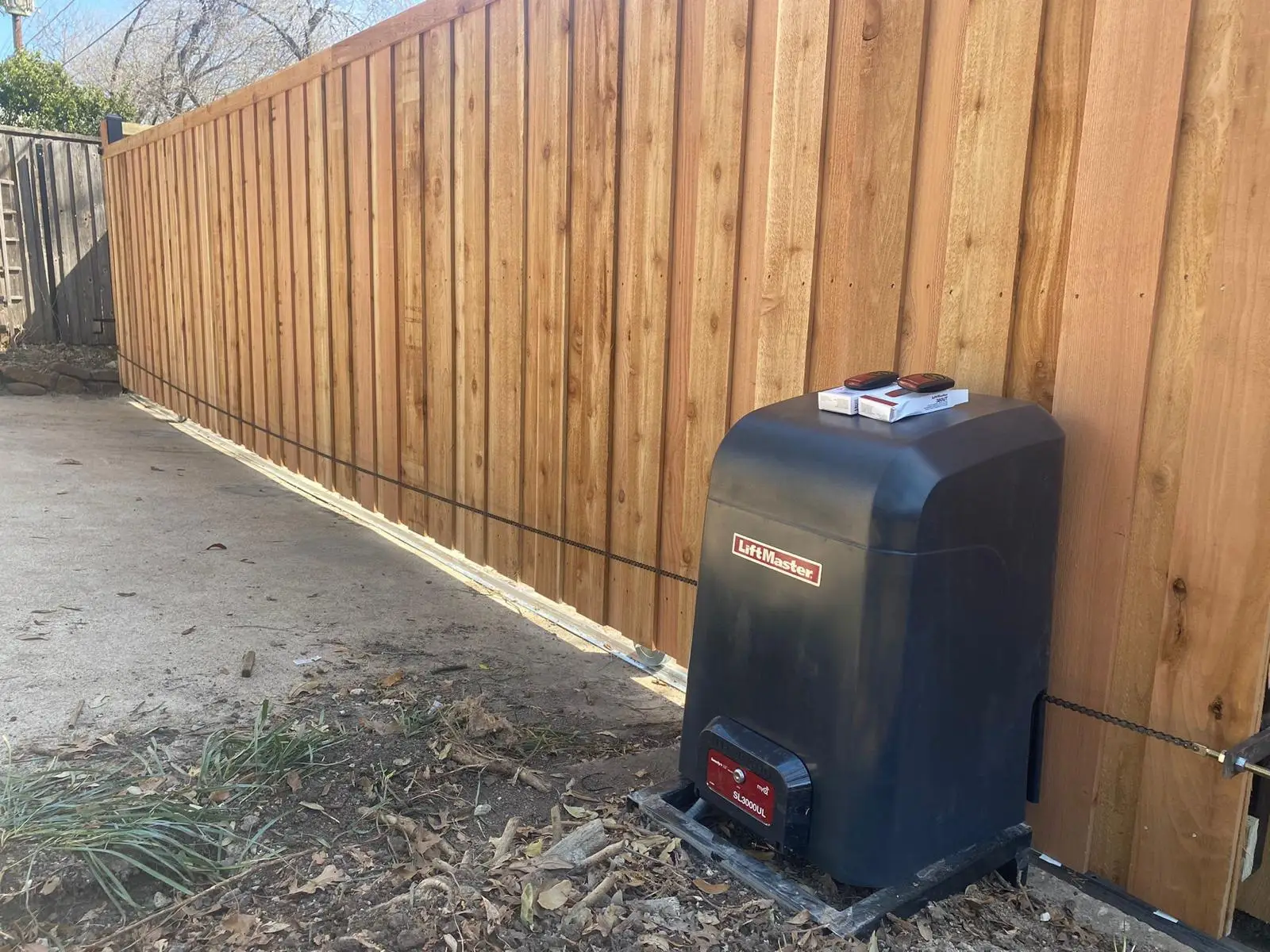
Professional installation centers on safety compliance, structural integrity, and long-term reliability. The most important best practices involve meeting UL 325 requirements, ensuring proper electrical supply, and confirming the gate structure can handle operator torque. Without these steps, systems fail prematurely or create entrapment hazards. Our team approaches each project with a checklist:
- Verify gate weight and length to match motor torque ratings (measured in foot-pounds).
- Install at least two independent entrapment protection devices per UL 325.
- Run wiring in schedule 40 PVC conduit with proper burial depth per NEC guidelines.
- Pour reinforced concrete pads for operators, typically 18 – 24 inches deep.
- Balance and level the gate before automation.
What Impacts Cost and How to Plan Realistically
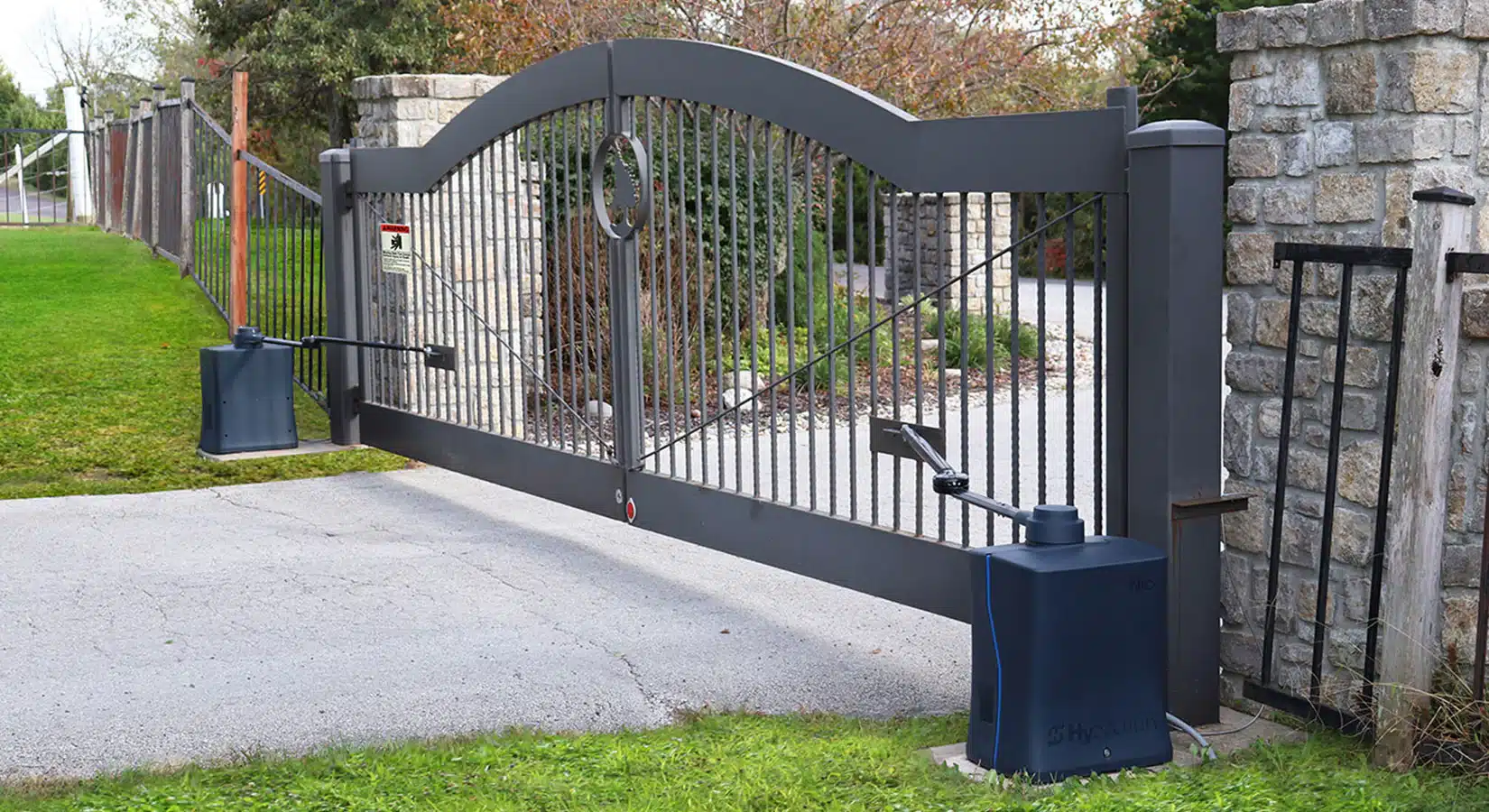
Understanding cost means looking beyond the opener itself. In Dallas, a typical residential automatic gate opener installation may range from $2,500 to $7,500 depending on complexity. High-end custom systems with keypad entry, intercoms, battery backup, and smartphone integration can exceed that range. Three major variables influence price:
- Site complexity: Trenching distance, soil conditions, slope, and drainage corrections.
- Material costs: Steel reinforcement, control boards, safety edges, and wiring.
- Total scope: New gate fabrication, access control systems, or upgraded electrical panels.
Schedule a Professional Cost Assessment
If you’re evaluating Automatic Gate Opener Installation Cost in Dallas, the fastest way to avoid surprises is a detailed on-site assessment. We evaluate gate structure, electrical access, soil conditions, and safety compliance before recommending equipment. That approach prevents undersized motors, code violations, and premature failures. Our team provides clear scope breakdowns so you understand exactly what affects pricing – from trenching distance to access control upgrades. Whether you’re planning a new installation or upgrading an existing system, we can identify risks and outline realistic timelines before work begins. Let’s review your property, answer your questions, and provide a transparent proposal tailored to your layout and security needs.
FAQs
What is the average Automatic Gate Opener Installation Cost in Dallas?
Most residential installations in Dallas fall between $2,500 and $7,500, depending on the type of gate and site conditions. A basic swing gate with a standard linear actuator and minimal trenching will typically cost less than a sliding gate requiring extensive concrete work. Costs increase if your property needs a new dedicated 120V circuit, upgraded hinges, or reinforced posts. Access control features such as keypads, card readers, intercoms, or Wi-Fi modules also raise the total investment. Dallas soil conditions can add expense if deeper or wider footings are required to prevent shifting. The only way to determine accurate pricing is through a site evaluation where gate weight, width, electrical capacity, and code compliance are reviewed.
Why do safety devices affect the total installation cost?
Automatic gates must comply with UL 325 safety standards, which require at least two independent entrapment protection systems. These may include photoelectric sensors, monitored safety edges, or inherent force-sensing technology. Each device requires wiring, calibration, and testing. The hardware itself adds cost, but labor and configuration time also contribute. Skipping these components creates significant liability risk and may void the manufacturer’s warranty. In Dallas, inspectors may require proof of compliant installation, especially for commercial properties. Properly installed safety devices reduce the risk of injury and protect homeowners from legal exposure if an accident occurs. While they increase upfront cost, they prevent far greater financial and legal consequences later.
How long does installation take and what factors influence pricing?
A simple retrofit on an existing structurally sound gate may take one to two days. A full installation involving new gate fabrication, trenching, concrete curing, and inspection approvals could take one to two weeks. Pricing may fluctuate based on site complexity, material costs, and total scope of work. Long trench runs for power, heavy steel gates requiring high-torque operators, and integrated access control systems all increase labor and equipment expenses. Weather conditions in Dallas can also delay concrete curing or trenching work. Most residential projects typically start around a few thousand dollars and increase with customization. These figures are preliminary benchmarks for informational purposes only and do not constitute a binding quote. An on-site evaluation is required for a final proposal.
Can homeowners install an automatic gate opener themselves?
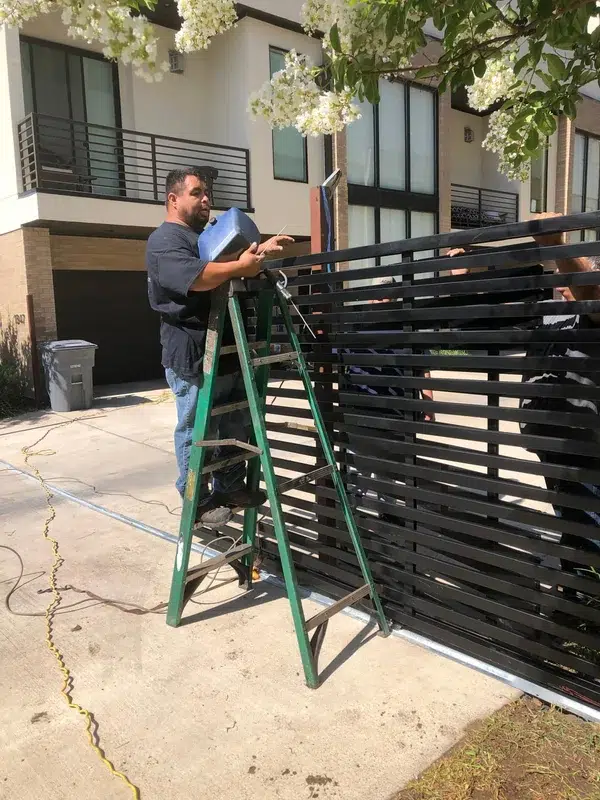
Some manufacturers sell DIY kits, and mechanically inclined homeowners may install them on lightweight, pre-hung gates with accessible power. However, automation involves more than attaching a motor. Proper post reinforcement, hinge alignment, electrical permitting, and UL 325 safety compliance are critical. Incorrect force settings or missing entrapment devices can create serious injury risk. We’ve seen DIY installations where actuators were mounted to thin aluminum frames, causing structural failure within months. Electrical work in Texas often requires licensed professionals under TDLR regulations. For homeowners comfortable with structural and electrical work, DIY may be feasible on small systems. For most properties in Dallas – especially heavy steel or sliding gates – professional installation reduces safety and liability risks.
What maintenance does an automatic gate opener require?
Routine maintenance keeps systems reliable and extends motor life. We recommend inspecting hinges for wear, tightening mounting brackets, and checking gate alignment every six months. Apply a lithium-based grease to steel hinges and a silicone-based lubricant to chains or rollers if manufacturer guidelines allow. Test photo eyes and safety edges regularly to confirm proper auto-reverse function. Keep control boxes sealed and free of moisture intrusion, especially after heavy Dallas storms. Battery backup systems should be tested annually and replaced according to manufacturer recommendations, typically every two to three years. Ignoring maintenance can lead to motor strain, control board damage, or sudden system failure, which often costs more than preventive service visits.
What common installation challenges occur in Dallas?
Dallas properties frequently present expansive clay soil, which shifts during wet and dry cycles. Without deep reinforced footings, gate posts can lean or shift out of alignment. Long driveways often require extended trenching for power and low-voltage wiring. Some neighborhoods also have HOA requirements governing gate design and placement. Storm exposure is another factor; high winds can strain large solid-panel gates if operators are undersized. We evaluate wind load, gate surface area, and post depth before recommending equipment. Accounting for these regional conditions prevents misalignment, premature motor burnout, and costly adjustments later.
What should I look for when hiring a gate installer?
Look for a contractor experienced with both structural gate work and electrical automation. Verify licensing where electrical connections are involved, and confirm general liability insurance coverage. Ask whether installations comply with UL 325 standards and how entrapment protection devices are implemented. Review past projects involving similar gate types and sizes. Detailed proposals should outline equipment models, safety devices, trenching distances, and warranty terms. Vague pricing without scope details often signals shortcuts. In Dallas, knowledge of soil movement and permitting processes is essential. A qualified installer explains why specific operator torque ratings, hinge upgrades, or reinforced pads are necessary for your property.
When should I schedule professional service instead of waiting?
Schedule service if you notice slow operation, grinding noises, inconsistent stopping points, or failure of safety sensors. Gates that reverse unexpectedly or fail to auto-reverse when obstructed require immediate inspection. Electrical smells, exposed wiring, or water inside the control panel should never be ignored. While automatic gate systems are not typically emergency services, mechanical or electrical faults can worsen quickly. Avoid forcing the gate manually, as that may damage the gearbox. Turn off power at the breaker if you suspect wiring issues, and arrange for professional evaluation promptly. Addressing problems early prevents more extensive motor or control board damage and reduces long-term repair costs.