
How to Fix Automatic Gate Sensor Problems in Dallas: A Practical Checklist for Property Owners
May 14, 2026
- By
- Star Gate and Fence
- Gate Automation Specialists
Need a clear checklist for diagnosing a gate that won’t close, reverses randomly, or won’t open at all? At Star Gate and Fence, we’ve been helping property owners solve automatic gate sensor problems for years of experience, and we’ve seen the same patterns repeat across residential driveways and commercial sites in Arlington. This guide is for homeowners, HOAs, and facility managers who want practical steps before calling for automatic gate repair. Ignoring a faulty sensor is not a minor inconvenience. We’ve seen gates left in “hold open” mode for weeks, exposing properties to theft and liability. In one Arlington retail plaza, a misaligned photo eye caused constant reversals until the operator motor overheated and failed. What started as a small sensor issue turned into a costly operator replacement and lost business access.
What compliant, high-quality sensor installations must include
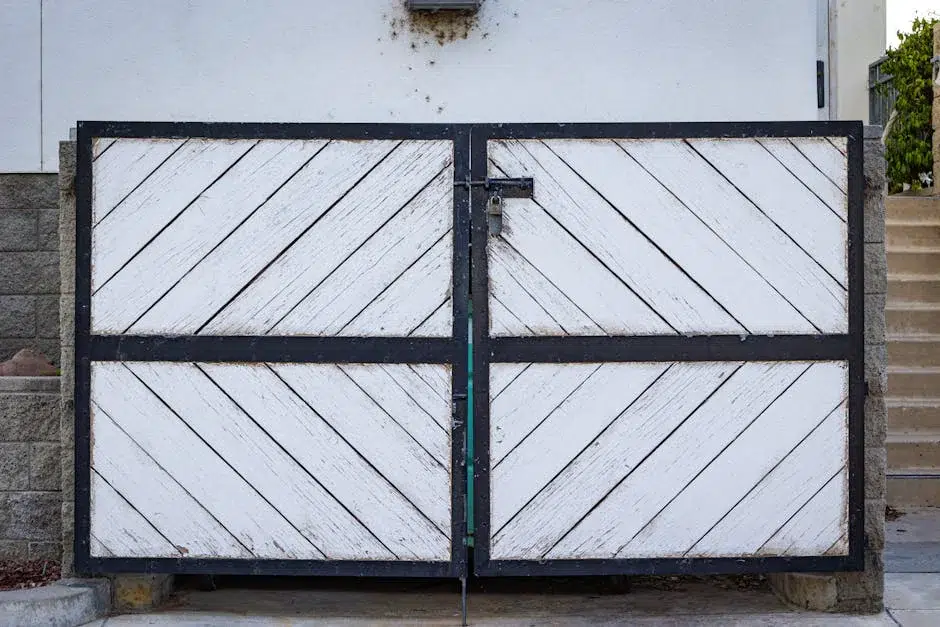
The most important best practices revolve around safety compliance, correct device selection, and proper wiring. Gate sensors are not optional accessories; they are mandated safety devices under national standards and local electrical codes. Under UL 325, automated vehicular gate systems must include at least one monitored entrapment protection device in each direction of travel. In addition, the National Electrical Code (NEC) Article 725 governs low-voltage wiring methods, including separation from high-voltage conductors. A compliant installation should include:
- Monitored photo eyes or safety edges compatible with the operator brand.
- Dedicated low-voltage wiring in conduit, separated from 120V or 240V lines.
- Weatherproof NEMA-rated junction boxes with sealed entries.
- Proper mounting height and secure brackets to prevent vibration drift.
- Documented force and reversal testing after repairs.
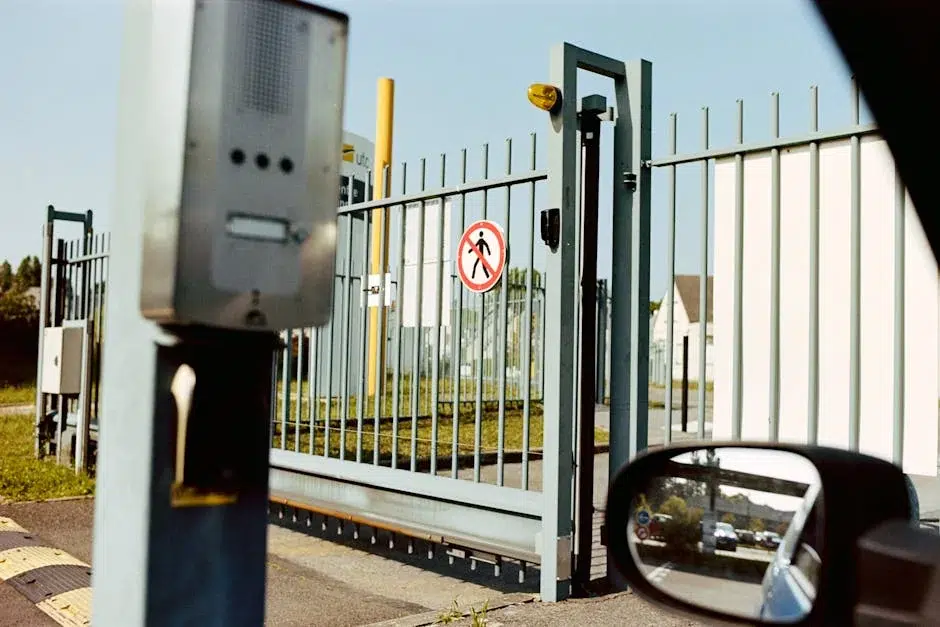
What different failure symptoms usually mean and what they may cost
Different symptoms point to different fixes. Accurate diagnosis prevents unnecessary part replacement.
- Gate won’t close at all: Often a blocked or misaligned photo eye. Cleaning and realignment may take under an hour.
- Gate closes then reverses: Beam interruption, sensitivity misadjustment, or failing monitored sensor.
- Intermittent operation in rain: Water intrusion in splices or cracked conduit.
- Operator shows error code: Faulty monitored device or wiring continuity issue.
- Site complexity and gate type (swing vs. slide)
- Material costs and sensor compatibility
- Total scope, including wiring or operator diagnostics
Schedule a Professional Gate Sensor Evaluation
If your gate hesitates, reverses unexpectedly, or stays open, the safest next step is a structured diagnostic visit. We test voltage output, verify UL 325 compliance, inspect wiring integrity, and confirm proper force and reversal settings before recommending repairs. Our team works with residential properties, HOAs, and commercial facilities throughout Arlington. A professional evaluation protects you from unnecessary part replacements and ensures your system meets current safety standards. Instead of guessing which component failed, let us pinpoint the issue and provide a clear repair plan with realistic timelines and costs. Book an on-site assessment and restore reliable, code-compliant gate operation.
FAQs
Why does my automatic gate in Arlington keep reversing before it fully closes?
A gate that reverses before closing typically indicates a sensor or entrapment protection issue. In most systems, photo eyes send a continuous infrared beam across the opening. If that beam is interrupted – or appears interrupted due to misalignment – the operator interprets it as an obstruction and reverses. In Arlington, wind-driven debris, pollen buildup, and even spider webs frequently block or distort the beam. We also see mounting brackets loosen slightly due to vibration, shifting alignment just enough to cause intermittent faults. Another possibility is excessive closing force sensitivity, which can trigger reversal if the gate encounters minor resistance. Start by cleaning the lenses, confirming alignment with a level, and checking for steady indicator lights on both sensors. If the issue persists, a technician should test voltage, continuity, and operator diagnostics. Repeated reversals should never be ignored because they can signal a failing monitored sensor or wiring issue that may eventually prevent the gate from operating at all.
How do I know if my gate sensor is completely bad or just misaligned?
Most photo eyes include LED indicators. A steady light on both sending and receiving units usually confirms proper alignment and signal. If one light is off or flickering, misalignment is often the first suspect. Gently adjust the receiving eye left or right in small increments – less than 1/8 inch at a time – while watching the LED. If alignment does not restore a solid signal, test voltage at the terminals with a multimeter. A reading outside the manufacturer’s specified 12 – 24V range suggests a wiring or board issue. If voltage is correct but the LED remains off, the internal circuitry may have failed. Monitored sensors required under UL 325 communicate with the control board; when they fail, the operator often displays a fault code. In that case, replacement is typically more cost-effective than repair. Always use a compatible monitored device approved by the operator manufacturer.
What does it cost to repair or replace automatic gate sensors in Arlington?
Costs vary depending on the failure type and system configuration. Basic cleaning, realignment, or minor rewiring may start around $150 and could range up to $350. Replacing a monitored photo eye set typically falls between $250 and $600, depending on compatibility and wiring access. If a damaged control board is involved, total repair costs might range from $800 to $1,500 or more. Timeframes can range from under an hour for alignment adjustments to several hours if trenching or conduit replacement is required. Pricing may fluctuate based on:
- Site complexity and gate design
- Material costs and sensor brand compatibility
- Total scope, including electrical or structural corrections
Can I fix automatic gate sensor problems myself, or should I call a professional?
Simple issues such as cleaning lenses, removing debris, or gently adjusting alignment are reasonable DIY steps. If your system clearly shows a blocked beam and restores operation after cleaning, professional service may not be necessary. However, once troubleshooting involves voltage testing, control board diagnostics, or monitored sensor programming, professional help becomes the safer route. Automated gates are heavy mechanical systems, and incorrect wiring can damage expensive operator boards or create safety hazards. Because UL 325 requires monitored entrapment protection devices, improper installation can also create compliance issues and liability exposure. If your gate serves a commercial property, HOA, or multifamily complex in Arlington, professional documentation of repairs is often advisable. When in doubt, start with basic visual checks and escalate to a qualified technician if the issue persists.
What maintenance helps prevent sensor failures?
Routine inspection significantly reduces unexpected failures. We recommend checking sensor alignment and cleaning lenses at least quarterly, especially during high pollen seasons in Arlington. Inspect wiring connections inside junction boxes for corrosion or loose terminals. Ensure conduit fittings remain tight and watertight. If your gate uses safety edges, test them monthly by applying light pressure while the gate is closing to confirm immediate reversal. Trim landscaping away from the beam path and verify that mounting brackets remain secure. Avoid spraying high-pressure water directly at photo eyes, as that can force moisture into seals. Annual professional service should include force testing, monitored device verification, and operator board diagnostics. Preventive maintenance costs far less than emergency board replacement or liability from a malfunctioning safety device.
Are there common automatic gate sensor issues specific to Arlington?
Yes. Arlington’s combination of heat, sudden storms, and clay soil movement creates recurring patterns. High summer temperatures can degrade plastic sensor housings over time, leading to cracked casings and internal moisture exposure. Heavy rain followed by dry spells can shift gate posts slightly in expansive clay soil. Even minor post movement can throw photo eyes out of alignment. We also see lightning-related power surges affecting low-voltage control boards. Dust and airborne debris from nearby construction projects can accumulate on lenses faster than many owners expect. For commercial sites near busy roads, vibration from traffic may gradually loosen mounting hardware. Addressing these environmental factors with sealed enclosures, surge protection, and adjustable brackets significantly improves long-term reliability.
What should I look for when hiring a gate repair professional?
Start with licensing and insurance appropriate for electrical and gate automation work. Automated gate systems involve both mechanical and electrical components, so experience with UL 325 compliance is critical. Ask whether the technician tests closing force and monitored devices after repairs. Professional service should include voltage testing with a multimeter, inspection of wiring methods per NEC Article 725, and verification of manufacturer fault codes. Clear documentation of findings and a written estimate are signs of organized service. Be cautious of providers who immediately recommend full operator replacement without demonstrating diagnostic testing. In many cases, the root cause is a sensor or wiring issue rather than a failed motor. Choose a provider who explains the repair logic and prioritizes safety compliance.
When is a gate sensor issue urgent but not an emergency?
If your gate stays open, refuses to close consistently, or shows repeated fault codes, it warrants prompt scheduling but is not typically an emergency. The primary concern is security exposure and potential code noncompliance rather than immediate danger. Until service is completed, keep the area clear of debris and avoid bypassing safety devices. Never jumper or disable photo eyes to force operation. That creates injury risk and possible liability. If the gate is stuck closed and blocking vehicle access, you may disengage the manual release according to the manufacturer’s instructions to operate it safely by hand. Avoid forcing the operator arm or chain. Schedule a professional evaluation as soon as practical to restore proper entrapment protection and reliable function.