
Metal Carport Cost in Arlington TX (2026 Guide): Myths, Real Prices & What Impacts Your Budget
June 4, 2026
- By
- Star Gate and Fence
- Professional Fence and Carport Contractor
Many homeowners assume a metal carport is a simple, low-cost add-on that doesn’t require much planning. At Star Gate and Fence, we’ve been helping property owners understand metal carport cost in arlington tx for years of experience, and we’ve noticed that pricing varies far more than most expect. The misconception usually surfaces after a homeowner orders a “budget” kit online, only to learn it doesn’t meet Arlington wind-load requirements or local permitting standards. We recently inspected a structure that had to be partially rebuilt because the anchors were undersized for North Texas storm conditions. That mistake doubled the total cost. In this guide, we break down real pricing, code requirements, and what actually drives cost so you can plan correctly from the start. For related exterior improvements, see our fence installation services in Arlington.
Standards, Site Prep, and Structural Requirements
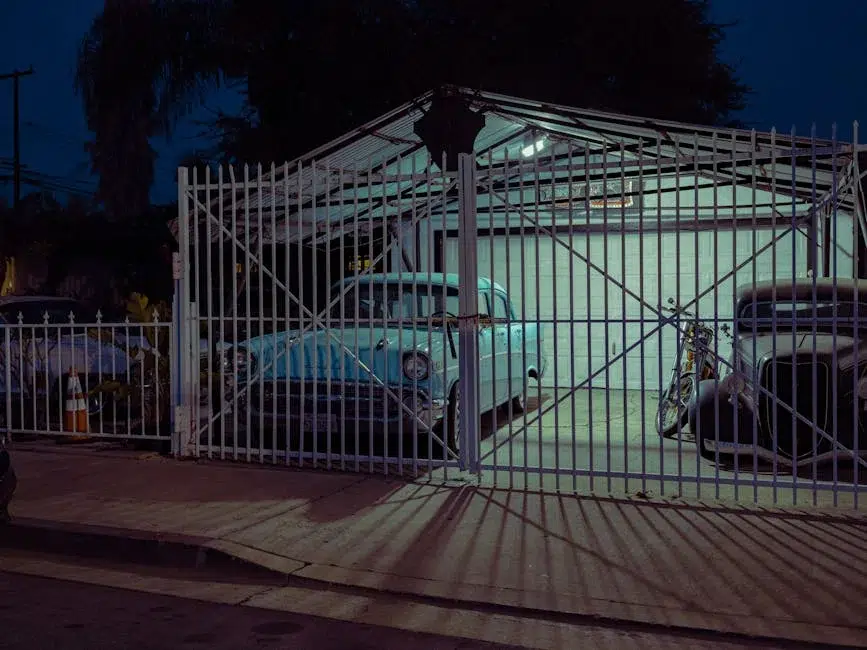
Accurate pricing starts with structural compliance and site analysis. Before we discuss numbers, we verify wind-load design, soil conditions, and attachment methods. These factors determine material grade, footing depth, and overall engineering. Professionals typically review:
- Wind load rating: Arlington projects often require frames rated for 90 – 130 mph depending on exposure category under IBC guidelines.
- Foundation type: Concrete slab mounting with wedge anchors differs from ground-set installations requiring 12″ – 18″ diameter piers.
- Steel gauge and coating: 14-gauge galvanized tubing resists bending better than 12-gauge light-duty tubing in high-load scenarios.
- Roof style: Regular roof, A-frame horizontal, or vertical roof panels affect both cost and drainage performance.
- Setback and zoning compliance: Improper placement can delay approval.
What You Can Expect to Spend and Why
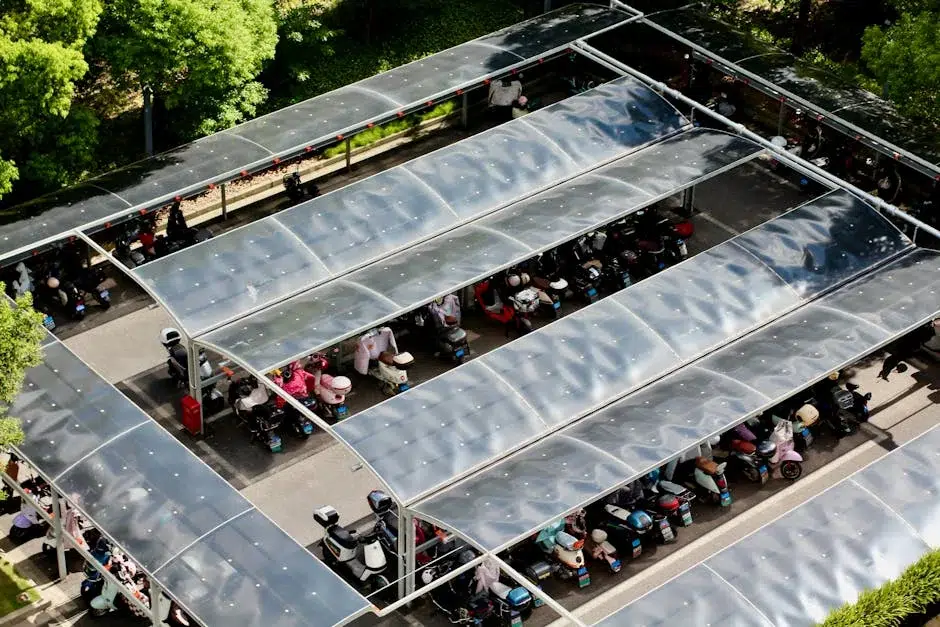
Metal carport pricing in Arlington depends heavily on size, structural rating, and installation method. For 2026, typical installed costs may range as follows:
- Single-car (12’x20’): typically starts around $3,500 – $6,500 installed.
- Double-car (18’x20’ to 20’x22’): often falls between $6,000 – $11,000.
- Custom triple-wide or enclosed sides: may range from $10,000 – $18,000+ depending on engineering and finish options.
- Site complexity and soil conditions
- Material costs, including steel gauge and coatings
- Total scope, such as enclosed panels, insulation, or gutter systems
Get a Clear, Upfront Cost Assessment
If you’re comparing options and want accurate numbers instead of guesswork, we can help. Our team evaluates your site conditions, checks setback requirements, and confirms wind-load compliance before presenting pricing. That approach prevents costly surprises and ensures your structure meets Arlington standards from day one. We provide straightforward estimates based on real measurements, material selection, and installation scope – not rough averages pulled from national ads. Whether you’re planning a single-car cover or a larger custom structure, we’ll outline what affects your budget and how to optimize it without sacrificing structural integrity. Schedule a quick on-site assessment and get clarity on what your metal carport investment should realistically look like in 2026.
FAQs
Do I need a permit for a metal carport in Arlington?
In most cases, yes. Permanent metal carports attached to the ground with concrete footings or slab anchors typically require a permit in Arlington. The city follows International Building Code standards, which classify these as accessory structures. Permit approval often depends on size, placement, and wind-load compliance. We recommend confirming setback requirements before ordering materials. If a carport sits too close to a property line or easement, the city may require relocation. That delay can increase labor and material costs. Temporary, non-permanent structures may fall under different rules, but most steel-framed carports anchored in concrete are treated as permanent. Submitting engineered drawings and wind-load certifications speeds approval and prevents compliance issues during inspection.
What size metal carport is most common for residential homes?
For single-vehicle coverage, 12’x20’ is common because it accommodates most sedans and small SUVs while keeping costs moderate. For two vehicles, homeowners typically select 18’x20’, 20’x20’, or 20’x22’ layouts. The extra width allows door clearance without risking panel dents. We advise measuring driveway width and vehicle length before deciding. Larger trucks may require a 9’ – 10’ leg height instead of the standard 8’. Increasing height affects material cost and may require upgraded bracing for wind stability. In Arlington neighborhoods with limited driveway depth, customizing length instead of width sometimes creates better traffic flow while staying within setback limits. Planning around daily use prevents frustration and costly resizing later.
How much does a metal carport cost in Arlington in 2026?
Installed pricing in 2026 may start around $3,500 for a basic single-car unit and could exceed $15,000 for larger custom builds with enclosed panels and engineered footings. Double-car units often fall between $6,000 and $11,000 depending on specifications. Three major factors influence price:
- Site complexity and soil conditions
- Material costs, including steel gauge and coatings
- Total scope, such as added panels, insulation, or concrete work
Can I install a metal carport kit myself?
Some homeowners assemble light-duty kits themselves, particularly smaller units anchored to an existing concrete slab. However, proper alignment, anchor torque, and wind-load compliance require careful attention. We’ve seen self-installed frames with uneven leg spacing that caused roof panels to rattle in moderate wind. Without calibrated torque tools, bolts may be under-tightened, leading to structural movement. Incorrect footing depth in soil installations increases the risk of shifting during storms. DIY installation may work for temporary or portable units, but permanent structures that require permits and engineered drawings are better handled professionally. Incorrect installation can void manufacturer warranties and may lead to code violations during inspection.
How do I maintain a metal carport to extend its lifespan?
Routine inspection twice a year helps prevent long-term issues. Check anchor bolts for tightness, inspect roof panels for loose fasteners, and clear debris that traps moisture. We recommend rinsing the roof surface periodically to remove dirt buildup, especially after heavy pollen seasons in Arlington. Use a mild detergent and soft brush – abrasive pads can damage protective coatings. Inspect sealant tape and replace deteriorated strips to prevent leaks along panel seams. After severe storms, verify that frame legs remain plumb using a level. Even slight shifts can stress joints over time. Addressing small adjustments early reduces the likelihood of structural distortion or premature corrosion.
What weather-related issues affect metal carports in Arlington?
High winds and hail are the primary concerns. Arlington’s storm patterns can produce strong gusts that test anchor integrity. Units without sufficient footing depth or bracing may rack or shift. Hail can dent thinner-gauge roof panels. Choosing thicker steel or vertical roof configurations improves durability and drainage. Clay-heavy soils in the region also expand and contract with moisture changes, which can affect shallow footings. Designing with proper wind ratings and reinforced concrete piers significantly reduces weather-related damage. Verifying compliance with IBC wind-load standards ensures the structure is built to withstand local storm conditions.
What should I look for when hiring a carport installer?
Confirm that the contractor understands Arlington permitting requirements and follows International Building Code standards. Ask whether engineered drawings and wind-load certifications are included. Proper insurance coverage and clear warranty terms are essential. Installers should specify steel gauge, anchor type, and footing depth in writing. Vague estimates without these details often signal incomplete planning. We also recommend verifying that the team uses calibrated installation tools and follows manufacturer torque specifications. Transparent communication about timelines and inspection procedures reflects professional oversight and reduces project delays.
When should I replace or upgrade an existing metal carport?
Consider replacement if you notice repeated anchor loosening, visible frame bending, or extensive rust at structural joints. Minor panel dents from hail may be cosmetic, but frame distortion affects structural integrity. If your current unit lacks proper wind certification or fails inspection due to code changes, upgrading may protect against future liability. Adding enclosed side panels or reinforcing footings can sometimes extend lifespan without full replacement. Schedule a professional evaluation if you observe shifting after storms or water pooling around base posts. Early assessment prevents small alignment issues from becoming costly structural repairs.