
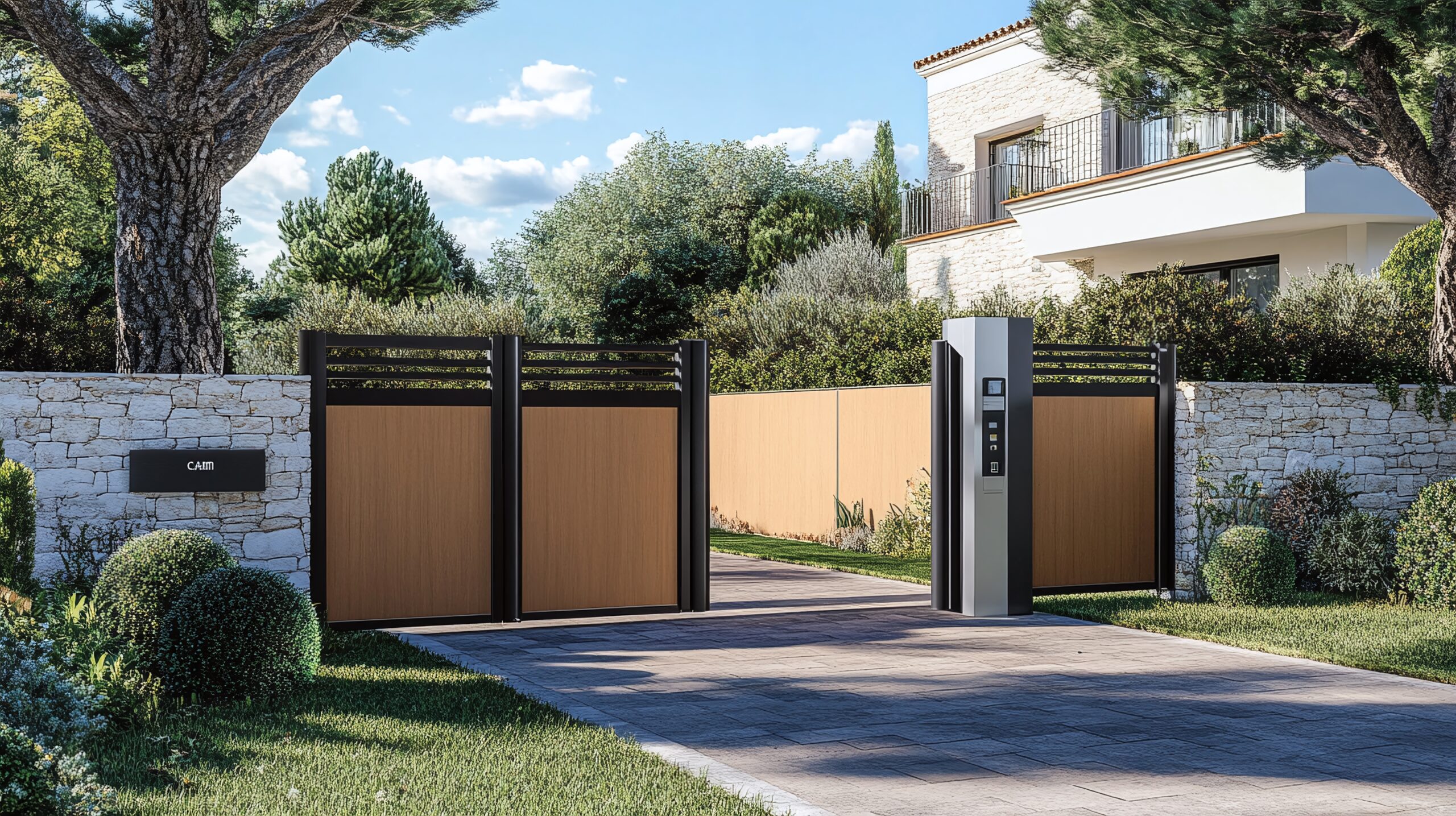
Electric Gate Repair and Motor Diagnostics in the DFW Metroplex
We locate the exact mechanical fault. We fix the specific broken part. LiftMaster, Nice Apollo, USAutomatic, and DoorKing—we service them all.
Diagnostics Drive Our Repair Process
Every gate repair starts with finding the exact mechanical fault.
Repairing an electric gate requires deep mechanical troubleshooting. Star Gate & Fence physically tests control boards, limit switches, and safety sensors. We check underground loop detectors and test motors directly on-site. You receive a plain-language explanation of what broke. Then, our in-house employees fix it. We never hire outside subcontractors for our work.
This specific testing matters heavily in the DFW climate. Summer temperatures routinely exceed 100°F for weeks at a time. High heat severely stresses operator circuit boards and internal motor windings. A gate might run perfectly in spring but freeze completely in July. Guessing parts on a Friday afternoon is a terrible strategy.
We work on residential driveways, commercial entry points, and industrial perimeters. One call dispatches a technician armed with a diagnostic multimeter, not a sales catalog.
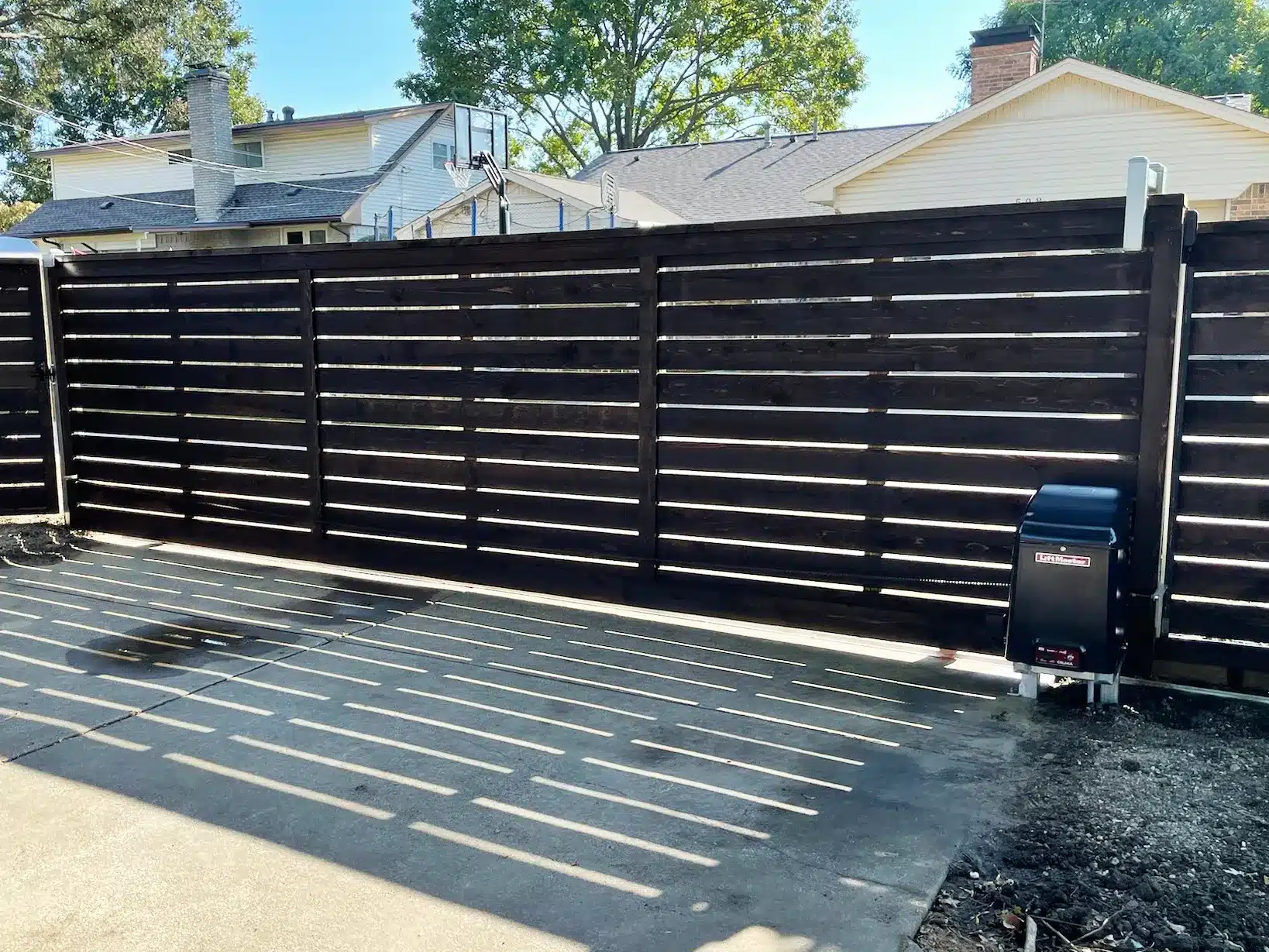
Engineering Expertise for North Texas
Severe local weather and expansive clay soil destroy gate hardware.
Star Gate & Fence has repaired electric gates locally since 2015. Our direct team brings over 15 years of technical field experience. We know exactly how regional weather affects specific operator brands. We proudly service LiftMaster, USAutomatic, Nice Apollo, FAAC, and DoorKing systems.
The North Texas thunderstorm season triggers massive spikes in repair calls. The notorious May storms generate dangerous electrical power surges. A lightning strike easily destroys a highly sensitive gate control board. This power surge can bypass your house breaker entirely. The gate might show zero indicator lights or error codes. It simply refuses to move.
We also diagnose mechanical issues caused by expansive clay soil. Driveway concrete shifts violently as the ground expands and contracts. This movement routinely snaps underground gate loop detectors. An inductive loop failure looks exactly like a burnt control board initially. We test wire continuity to locate the actual root fault.
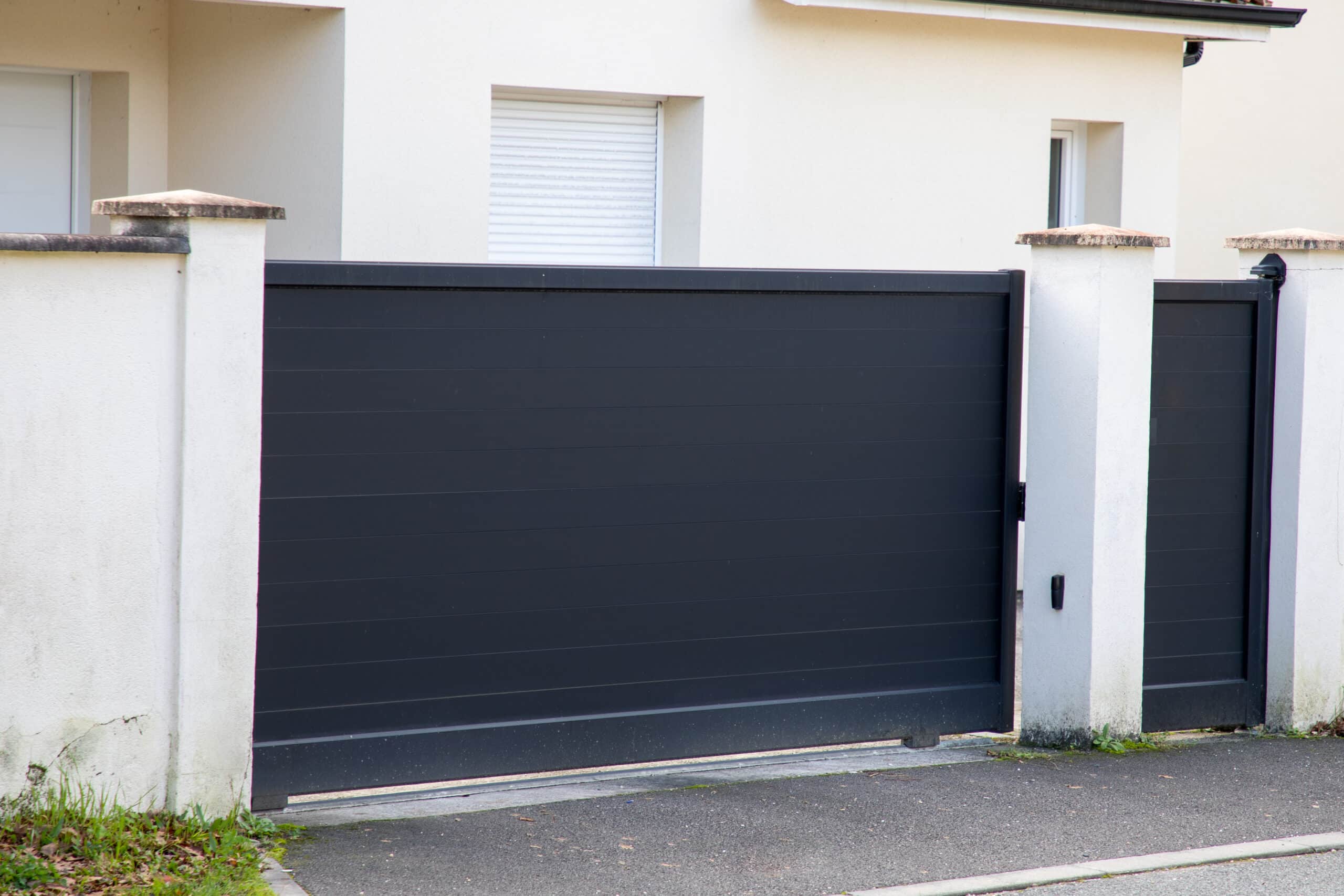
Real Field Diagnostics by Elia Amiel
I test electrical voltage limits before replacing your expensive motor.
I am Elia Amiel, founder of Star Gate & Fence. I recently visited a North Dallas home following a heavy storm. Their automatic driveway gate completely stopped responding to the keypad.
I opened the operator housing and checked the main control board. This critical circuit board processes all incoming signals. I immediately spotted a distinct burn mark on one corner. A voltage surge had destroyed it.
The starting capacitor tested perfectly under a heavy electrical load. The mechanical drive gear assembly was entirely intact. Only the control board was fried. I replaced that single component right on the spot. The gate was operating flawlessly within an hour.
I also rigorously test photo eyes and internal limit switches. The photo eye projects an infrared safety beam across the driveway. If this beam misaligns, the motor halts to prevent entrapment. People often assume their motor is dead. Usually, a misaligned UL 325 safety sensor is the real culprit.
Repair vs. Replacement Decisions
We tell you honestly when repair costs exceed replacement value.
A single failed component points to a highly targeted repair. Multiple failing mechanisms usually indicate a necessary system replacement. We let the diagnostics make that call.
Replacing a surged control board makes financial sense if the motor runs strong. However, older units often pull excessive electrical current over time. If we find burnt motor windings, a weak capacitor, and rust, repair fails. Sequential part replacements will drain your budget rapidly.
We define this replacement threshold clearly before starting any physical work. We explain the exact remaining service life of your current equipment.
Strict Standards for Gate Motor Repair
We follow absolute mechanical testing protocols on every single service.
Our direct technicians never skip diagnostic safety steps. We verify mechanical and electrical integrity fully.
We inspect control boards for failed solder points and corrosion.
We test capacitors under actual operating load, not just static meters.
We set and verify mechanical limit switches to prevent gate over-travel.
We align photo eyes to guarantee strict UL 325 safety compliance.
We check underground loop detectors for broken inductive wires.
We inspect the drive gear assembly for worn teeth and slack.
We evaluate heavy gates for ASTM F2200 physical compliance issues.
Sagging gates violating the 2.25-inch gap rule receive structural adjustments.
Our Direct Service and Repair Protocol
Our in-house employees execute every phase of your gate repair.
We handle diagnostics, part sourcing, and final safety testing directly.
Step 1: On-Site Diagnostics
We test your failing gate exactly as it currently sits.
The technician runs through a strict component checklist. We check the control board, capacitor, and limit switch positions. We confirm photo eye continuity and inspect the wiring block. You hear the exact diagnostic findings before we discuss any parts.
Step 2: Immediate System Implementation
We carry OEM replacement parts for major brands directly.
Once you approve the repair scope, we get to work. Our service vehicles stock control boards, capacitors, and photo eyes. We carry genuine replacement components tailored to your specific operator brand. We replace burnt wiring using specialized high-temperature outdoor conduit.
Step 3: Post-Service Safety Testing
We force safety sensors to trigger before closing the job.
We run the repaired gate through a full cycle sequence. We test your remotes, keypads, and automatic closing functions. We manually break the photo eye beam to test obstruction reversal. Every UL 325 safety function must pass flawlessly before we leave.
Serving the Entire DFW Metroplex
We dispatch licensed repair technicians across all of North Texas.
Star Gate & Fence repairs automatic gates throughout the DFW Metroplex. We service Dallas, Fort Worth, Plano, Irving, and Garland. Our trucks run daily to Richardson, Carrollton, Addison, and Frisco. If your property is in DFW, our team can fix your gate.
Schedule Your Gate Diagnostics Today
Call our team to get your electric gate running again.
Stop guessing which part failed and get a real diagnosis. Call 469-778-0871 or email info@stargateandfence.com to schedule your service visit. Tell us your operator brand and what the gate is doing. We will dispatch a technician with the correct components.
Electric Gate Repair FAQs
Review common questions regarding our electric gate motor repair services.
Why is my electric gate making a clicking sound?
A clicking noise usually indicates a failed electrical control board.
When you press the remote, the board attempts to send power to the motor. If the internal relays are damaged, you hear a rapid clicking sound. The gate will completely refuse to move. This frequently happens after severe DFW spring thunderstorms.
Do you repair LiftMaster and DoorKing gate motors?
We stock factory replacement parts for all major operator brands.
Our trucks carry components for LiftMaster, USAutomatic, Nice Apollo, DoorKing, and FAAC systems. We do not use cheap aftermarket control boards. We carry brand-specific capacitors, limit switches, and safety sensors directly.
Why does my gate open but refuse to close?
This is almost always caused by a blocked safety sensor.
UL 325 safety codes require an active photo eye sensor. If dirt or sunlight blocks the infrared beam, the gate stays open. The motor assumes a vehicle or person is trapped. We can clean and realign these sensors quickly.
Can heat cause my gate motor to stop working?
Extreme North Texas heat degrades gate operator wiring and motherboards.
Temperatures exceeding 100°F cause internal electrical components to swell and fail. Old wiring insulation melts and causes severe electrical shorts. Heat also dries out the lubrication on your mechanical drive gears. We upgrade failing systems with high-temperature outdoor-rated wiring.