
Commercial Automatic Gate Repair in Dallas: Guide to Myths, Standards, and Smart Decisions
April 8, 2026
- By
- Star Gate and Fence
- Commercial Gate Repair Specialists
Many property managers assume a commercial automatic gate only needs attention when it completely stops working. At Star Gate and Fence, we’ve been handling commercial automatic gate repair across Dallas for years of experience, and we’ve seen how small issues turn into major failures when ignored. We regularly service properties that first tried quick fixes after reading online resources like Gates and Openers 101. One Dallas warehouse recently delayed a simple safety sensor replacement. The result was a burned-out control board and a week of limited access for delivery trucks. The misconception that “it’s just a motor problem” often leads to safety risks, liability exposure, and avoidable downtime.
Standards, diagnostics, and quality control steps that matter
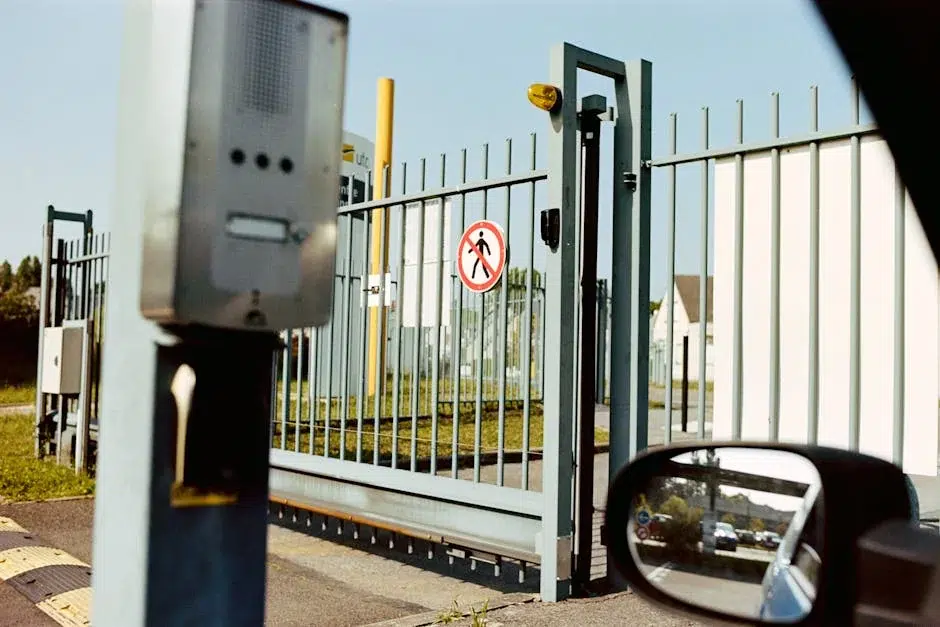
The most important best practices focus on safety compliance, mechanical integrity, and electrical accuracy. We approach every commercial repair as a system evaluation – not just a part swap. Proper service protects property owners from downtime and legal exposure. A thorough professional repair typically includes:
- Testing entrapment protection devices per UL 325 requirements
- Checking force settings and auto-reverse sensitivity
- Inspecting hinges, rollers, and V-track alignment within 1/8-inch tolerance
- Measuring voltage output and amperage draw at the operator
- Verifying loop detector placement and function
Costs, timelines, and practical decision-making
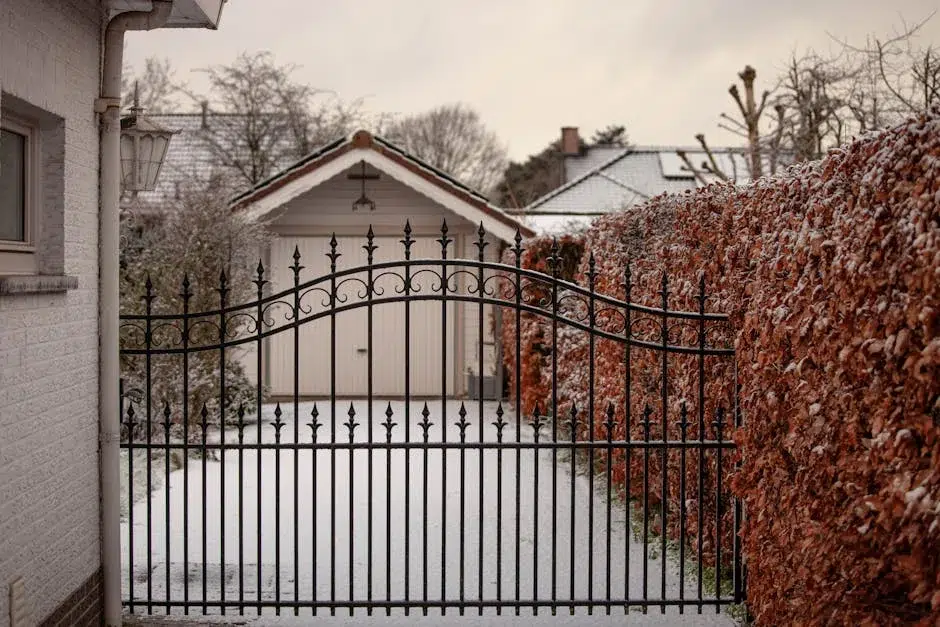
Commercial gate issues rarely resolve themselves. Scheduling early repairs reduces operator strain and prevents cascading failures. In our experience, properties that address minor chain tension or sensor issues quickly avoid full operator replacements. Typical commercial automatic gate repair in Dallas may range from $350 to $1,200 for moderate electrical or mechanical fixes. Major component replacements – such as a commercial slide operator or control board – can range from $1,500 to $4,500 depending on:
- Site complexity and gate weight
- Material and component costs
- Total scope of electrical and structural corrections
Schedule a Commercial Gate Safety Check
If your commercial gate is slowing down, reversing unexpectedly, or operating without verified safety testing, we can help. Our team performs comprehensive diagnostics that identify compliance gaps, mechanical wear, and electrical risks before they turn into costly downtime. We focus on code alignment, operator performance, and long-term durability – not temporary patches. A quick assessment often prevents major component failure and protects your property from liability exposure. Let’s evaluate your system and give you a clear action plan built around safety, reliability, and operational continuity.
FAQs
How often should a commercial automatic gate be inspected in Dallas?
Most commercial properties benefit from professional inspection at least twice per year. High-traffic sites such as warehouses, apartment complexes, and distribution centers may require quarterly checks. Dallas heat, dust, and storm activity can accelerate wear on rollers, chains, and control boards. Regular inspections include force testing, sensor alignment verification, hinge and track inspection, and amperage readings at the operator. Following UL 325 safety standards and ASTM F2200 structural guidelines helps reduce liability exposure. Waiting until a gate fails completely often leads to emergency downtime and higher repair costs compared to scheduled maintenance.
What are the most common causes of commercial gate failure?
The most frequent issues involve misaligned tracks, worn rollers, failed photo eyes, damaged loop detectors, and power surges affecting control boards. In Dallas, lightning and grid fluctuations can damage sensitive electronics. Mechanical strain from heavy gates without proper chain tension also shortens operator life. We often find compounded problems – such as a failing bearing causing motor overcurrent, which then damages the circuit board. Addressing the root cause rather than replacing one visible part prevents repeat failures. Comprehensive diagnostics identify whether the issue is structural, electrical, or safety-device related.
How much does commercial automatic gate repair typically cost?
Minor repairs such as sensor replacement or chain adjustments may start around $350 to $600. Mid-level electrical or component repairs might range from $700 to $1,500. Major operator replacements or structural corrections can range from $1,500 to $4,500 or more. Costs fluctuate based on site complexity, material costs, and total scope of work required. Heavier gates or damaged foundations increase labor and equipment needs. Timelines may vary from a single service visit to several days for complex repairs. These figures are preliminary benchmarks for informational purposes only and do not constitute a binding quote. An on-site evaluation is required for a final proposal.
Can property managers handle minor gate repairs themselves?
Basic tasks like clearing debris from tracks or checking for visible obstructions are reasonable for on-site staff. However, adjustments involving force settings, control boards, wiring, or safety sensors require professional testing equipment. Improperly adjusting sensitivity settings can violate UL 325 standards and increase injury risk. We have seen well-intended adjustments cause gates to close with excessive force. If the repair involves electrical components, entrapment devices, or structural alignment, professional service is strongly recommended to protect both safety and liability exposure.
What warning signs indicate a commercial gate needs service?
Common warning signs include delayed opening, inconsistent stopping points, grinding noises, jerky movement, and repeated sensor faults. A gate that reverses without obstruction may have misaligned photo eyes or incorrect force settings. Visible chain slack, roller wobble, or track gaps wider than 1/8 inch signal mechanical wear. In Dallas, dust buildup around photo eyes frequently causes signal interruption. Addressing these early prevents larger component failures such as motor burnout or control board damage. Scheduled maintenance reduces the risk of operational shutdown.
Are there Dallas-specific factors that affect commercial gate systems?
Yes. Dallas weather introduces extreme heat, sudden storms, and occasional freezing conditions. High temperatures can expand metal tracks, slightly altering alignment. Lightning strikes and power surges may damage control boards without proper surge protection. Heavy truck traffic at industrial facilities also accelerates loop detector wear. Dust accumulation can interfere with photo eye performance. These environmental factors increase the importance of routine inspection and surge protection systems to maintain consistent operation throughout the year.
What should we look for when hiring a commercial gate repair company?
Look for technicians familiar with UL 325 and ASTM F2200 standards. Confirm the company carries liability insurance and understands commercial operator systems such as slide and swing configurations. Ask whether they perform documented force testing and sensor verification. A qualified provider will evaluate the entire gate assembly – not just replace visible parts. Be cautious of contractors who offer unusually low pricing without discussing compliance or safety devices. Professional documentation and transparent scope explanations reflect quality service.
When is a gate issue urgent but not an emergency?
If a gate is moving slowly, making grinding sounds, or intermittently failing to open, schedule service promptly before a full shutdown occurs. While these situations may not require immediate emergency response, delaying service can lead to motor burnout or safety violations. If safety sensors fail or the gate does not reverse when obstructed, restrict use and arrange inspection as soon as possible. Avoid bypassing safety devices. Controlled scheduling allows for safer, more cost-effective repairs compared to reactive replacements.