
Cantilever Gate vs Sliding Gate: Which Is Better for Your Property?
February 16, 2026
- By
- Star Gate & Fence
- Gate & Fence Specialists
Cantilever Gate vs Sliding Gate: Which Is Better for Your Property? The answer directly affects how smoothly your gate operates, how much maintenance you handle over time, and whether your system aligns with modern safety standards. At Star Gate and Fence, we have guided homeowners through this decision for many years, and we have seen firsthand how the wrong choice can lead to constant repairs and daily frustration instead of reliable convenience. For example, one homeowner contacted us after installing a traditional sliding gate across a gravel driveway. Within a few months, dirt and small stones collected inside the ground track, the rollers became stuck, and the motor eventually failed due to strain. The repair costs came close to the original installation price. Choosing between residential gate installation options such as cantilever gates and tracked sliding systems is not just about appearance. It affects long term durability, required upkeep, performance in different weather conditions, and overall safety. A well informed decision ensures smoother operation, fewer unexpected expenses, and greater peace of mind for years to come.
Tracked Sliding Gates: Simpler Structure, Specific Site Requirements
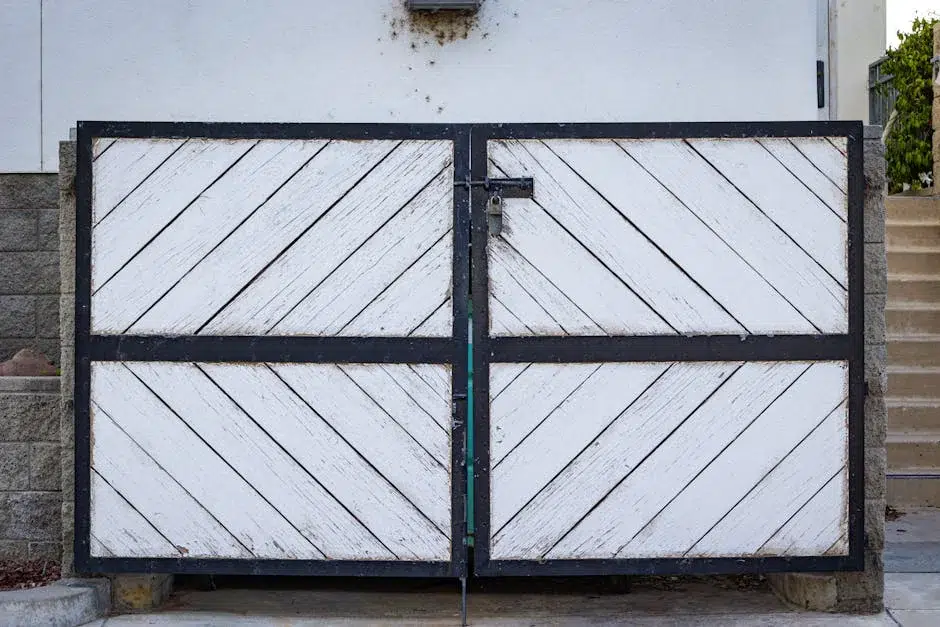
Tracked sliding gates rely on a ground-mounted rail and wheel assemblies to move the gate across the driveway opening. The most important best practice is ensuring the track is perfectly level, securely anchored, and installed on stable concrete. Even small deviations can cause binding, wheel wear, or motor strain. A professionally installed sliding gate system typically includes:
- Steel V-track embedded or surface-mounted to concrete
- V-groove wheels matched to gate weight
- Guide rollers at the top to prevent lateral sway
- UL 325-compliant safety devices for automation
- Flat, paved driveways
- Properties with limited side clearance
- Budget-conscious installations with proper site prep
Comparing Performance, Cost, Maintenance, and Fit
When evaluating cantilever gate vs sliding gate options, we focus on real-world performance rather than appearance alone. One homeowner insisted on a tracked sliding gate over decorative gravel because it was initially less expensive. Within a year, frequent cleanings and wheel replacements eliminated the savings.
Installation costs may range from $4,000 – $12,000 depending on:
| Criteria | Cantilever Gate | Sliding Gate (Tracked) |
|---|---|---|
| Ground Contact | No ground track; gate “floats” | Rolls on ground-mounted track |
| Debris/Snow Performance | Excellent in snow, gravel, uneven terrain | Track can clog; requires cleaning |
| Space Required | Needs 30 – 50% extra side room | Requires only gate width clearance |
| Maintenance | Lower routine cleaning | Regular track clearing required |
| Installation Cost | Typically higher due to hardware and posts | Often lower if concrete base exists |
| Best Use Case | Uneven or debris-prone sites | Flat, paved, clean surfaces |
- Site complexity
- Material costs
- Total scope including automation and access control
- Choose cantilever if your driveway has gravel, snow, or drainage issues.
- Choose sliding if you have limited side space and a solid concrete base.
- For heavy automated gates over 16 feet wide, cantilever often provides smoother long-term performance.
Not Sure Which Gate Fits Your Property?
Every property has unique grading, access points, and daily usage demands, which means the right gate system must be carefully planned, not guessed. At Star Gate and Fence, we evaluate driveway slope, soil stability, wind exposure, drainage, and available clearance before recommending a solution. We also review automation preferences, safety compliance, traffic flow, and long term maintenance expectations so you avoid costly surprises later. This detailed assessment protects your investment and ensures smooth, reliable operation for years. If you are comparing cantilever and sliding gates and want expert guidance based on real site conditions, now is the time to schedule a consultation. Delaying the right decision can lead to higher installation costs, unnecessary repairs, and ongoing performance issues. Contact Star Gate and Fence today for a professional site evaluation and clear, honest recommendations. Get the confidence, durability, and security your property deserves.

FAQs
Is a cantilever gate more durable than a sliding gate?
Durability depends largely on site conditions, usage patterns, and the quality of installation. Cantilever gates often last longer in environments where gravel, snow, mud, or heavy debris are common because they do not rely on a ground track that can become clogged, bent, or corroded over time. Since the gate is supported by elevated roller carriages mounted on concrete footings, the primary moving components remain above ground level and are better protected from standing water, ice buildup, and accumulated dirt. This design reduces friction, limits corrosion, and helps maintain smoother operation throughout the year. Sliding gates can be equally durable when installed over a properly poured and reinforced concrete base with a precisely aligned and securely anchored steel track. Long term performance depends on stable soil, effective drainage, and routine cleaning of the track area. Problems typically arise when tracks shift due to soil movement or when debris is allowed to accumulate. We carefully evaluate soil stability, drainage flow, climate exposure, and expected traffic cycles before recommending either option to ensure reliable and consistent performance.
Do both types of gates work with automatic openers?
Yes, both cantilever and sliding gates can be automated, but they must comply fully with UL 325 safety standards to operate legally and safely. These standards require monitored photo eyes, edge sensors, and approved entrapment protection devices that stop or reverse the gate if an obstruction is detected. Cantilever systems often pair exceptionally well with commercial grade slide gate operators because their suspended design allows for smooth, consistent travel without ground friction. Sliding gates also automate effectively, provided the track is kept clean, level, and properly aligned to prevent binding or strain on the motor. Adding automation introduces additional components and planning considerations, including electrical trenching, dedicated power supply, control boards, battery backup systems, and access devices such as keypads, card readers, or intercoms. We carefully size each operator based on the gate’s weight, length, wind load exposure, and expected duty cycle. An undersized motor can overheat, wear out gears prematurely, and fail under heavy ornamental steel loads. Proper installation and safety calibration protect homeowners from injury liability while ensuring long term, reliable performance.
What does each type typically cost and how long does installation take?
Costs typically range from $4,000 to $12,000 or more, depending on the overall design, materials selected, and level of automation. Cantilever gates often begin at the higher end of the price spectrum because they require heavier duty hardware, longer counterbalance frames, and reinforced support posts to ensure proper operation. Sliding gates may be more economical when a suitable concrete track foundation is already in place, reducing labor and material expenses. However, pricing can vary significantly based on site conditions, including grading requirements, soil stability, drainage considerations, and accessibility for equipment. Additional factors that influence total cost include gate size, custom fabrication, decorative elements, finish coatings, automation systems, safety devices, and integrated access control features. Installation generally takes between 2-5 days, allowing time for excavation, concrete work, curing, gate assembly, and electrical connections. Larger, highly customized, or ornamental designs may require additional fabrication and installation time. These figures are provided as general estimates for planning purposes only and do not represent a final or binding quote. A detailed on site evaluation is necessary to prepare an accurate proposal tailored to your property and project requirements.
Can homeowners install a sliding or cantilever gate themselves?
DIY installation can be a practical option for lightweight, manual sliding gates installed on perfectly level concrete, but full scale sliding gate systems involve structural and alignment requirements that quickly become complex. Cantilever gates in particular demand precise post placement, properly engineered and reinforced concrete footings, and exact roller alignment to ensure smooth operation. Even minor measurement errors can result in sagging, dragging, or premature hardware wear. Soil conditions, frost depth, drainage, and wind load must also be considered when setting posts and pouring concrete to prevent long term shifting. Adding automation increases the complexity significantly. Motorized systems require proper electrical wiring, grounding, and adherence to UL 325 safety standards, including photo eyes and obstruction detection devices. Incorrect installation can create safety hazards and void manufacturer warranties. We have repaired many DIY projects where undersized support posts, shallow footings, or misaligned tracks led to costly structural issues over time. Homeowners experienced with excavation, welding, and concrete work may successfully complete a basic manual gate. However, for heavy steel gates, wide driveway openings, or automated systems, professional installation typically reduces risk, improves longevity, and helps avoid expensive corrections later.
What maintenance does each gate require?
Cantilever gates generally require less routine cleaning and day to day upkeep because they operate without a ground track. Since the gate is suspended and supported by roller assemblies mounted on posts, there is no channel on the driveway to collect mud, stones, or standing water. Routine maintenance typically includes inspecting the roller carriages for smooth movement, checking bolt torque to ensure all mounting hardware remains secure, and lubricating bearings with a high quality lithium based grease. It is also wise to confirm that the gate remains properly aligned and that support posts show no signs of shifting. Sliding gates, on the other hand, require more consistent attention. The ground track must be kept completely clear of gravel, leaves, dirt, snow, and ice to prevent derailment, premature wheel wear, or motor strain. Even small obstructions can affect performance. Monthly visual inspections are strongly recommended, along with debris removal as needed. For automated systems, safety devices such as photo eyes, edge sensors, and limit switches should be tested regularly to ensure reliable operation. Proactive maintenance reduces unexpected breakdowns, minimizes costly repairs, and significantly extends the overall lifespan of the gate system.
What are the most common problems with sliding and cantilever gates?
Sliding gates most commonly encounter problems related to track obstruction, wheel wear, and gradual alignment shifts caused by settling concrete or shifting soil. Dirt, small stones, and debris can accumulate inside the track, restricting smooth movement and placing strain on rollers and motors. Over time, wheels may flatten or bearings may wear out, especially in high traffic environments. Cantilever gates, while eliminating the need for a ground track, often experience issues tied to post movement or worn roller carriages when footings are undersized or soil conditions were not properly evaluated. If support posts shift even slightly, the entire gate can fall out of alignment. Automation systems introduce additional risk factors, including sensor misalignment, limit switch failure, and motor overheating due to excessive load or poor ventilation. Wide gate panels are also vulnerable to wind pressure if frames are not adequately reinforced. During installation, we reduce these risks by calculating total gate weight, accounting for wind exposure, and setting footings below the local frost line. Early warning signs such as grinding noises, uneven travel, delayed response, or visible sagging should be addressed quickly to prevent costly structural damage or full system failure.
What should homeowners look for when hiring a gate contractor?
Homeowners should take time to verify that any contractor they hire carries current liability insurance, understands local building codes, and follows UL 325 safety requirements for automated gate systems. These standards are essential for protecting people, vehicles, and property. It is important to ask specific questions about footing depth, steel gauge thickness, post dimensions, and hardware weight ratings to ensure the structure will remain stable over time. A reputable installer will clearly explain why certain post sizes, hinges, tracks, or roller assemblies are required instead of offering vague or generalized assurances. Detailed explanations demonstrate knowledge and professionalism. Homeowners should also request to see examples of past projects and, if possible, speak with previous clients about their experience. Confirm that motors, operators, and access control components are properly sized for the gate’s total weight and expected duty cycle. Clear written proposals that outline the full scope of work, materials, timelines, and warranty coverage help prevent misunderstandings. Quality installation has a direct impact on safety, durability, maintenance needs, and long term cost efficiency.
When should I schedule service if my gate starts malfunctioning?
Gate issues are rarely emergencies, but they should never be ignored or postponed. Even minor irregularities can signal developing mechanical or structural problems. If you notice jerky or uneven movement, grinding or squeaking noises, sagging sections, or a delayed motor response, schedule professional service as soon as possible. Continuing to operate a malfunctioning gate places unnecessary strain on the operator, hinges, rollers, and support posts. Over time, this added stress can lead to premature component failure and higher repair costs. For sliding gates, regularly inspect and clear debris such as dirt, stones, or leaves from the track. A blocked track can cause the gate to bind, misalign, or place excess pressure on the motor. Never force a gate that is stuck, as this can bend the frame or damage the drive system. For cantilever gates, look for signs of post movement, loose bolts, or shifting hardware, as stability is critical to safe operation. If safety sensors, loops, or auto reverse features fail to respond correctly, discontinue use until the system has been properly inspected and repaired. Addressing problems early helps prevent motor burnout, structural damage, and costly replacements.