
How to Fix an Automatic Gate Keypad Not Working: Complete Troubleshooting Guide
May 28, 2026
- By
- Star Gate and Fence
- Gate and Access Control Specialists
A homeowner in Arlington recently called us after being locked out of their own driveway because their gate keypad suddenly stopped responding. At Star Gate and Fence, we’ve been helping property owners solve automatic gate keypad issues for years of experience, and we’ve noticed the same pattern: most keypad failures start small and get worse when ignored. In this case, the backlight flickered for weeks before the system failed completely. The biggest mistake we see is assuming the keypad itself is always the problem. In reality, power supply issues, low-voltage wiring faults, or operator board failures often cause the malfunction. Ignoring those warning signs can lead to full gate operator damage, which is far more expensive than a targeted keypad repair. If you’re already noticing performance issues, it may also be worth reviewing our automatic gate repair services before the situation escalates.
Best practices for safe, code-compliant keypad repair
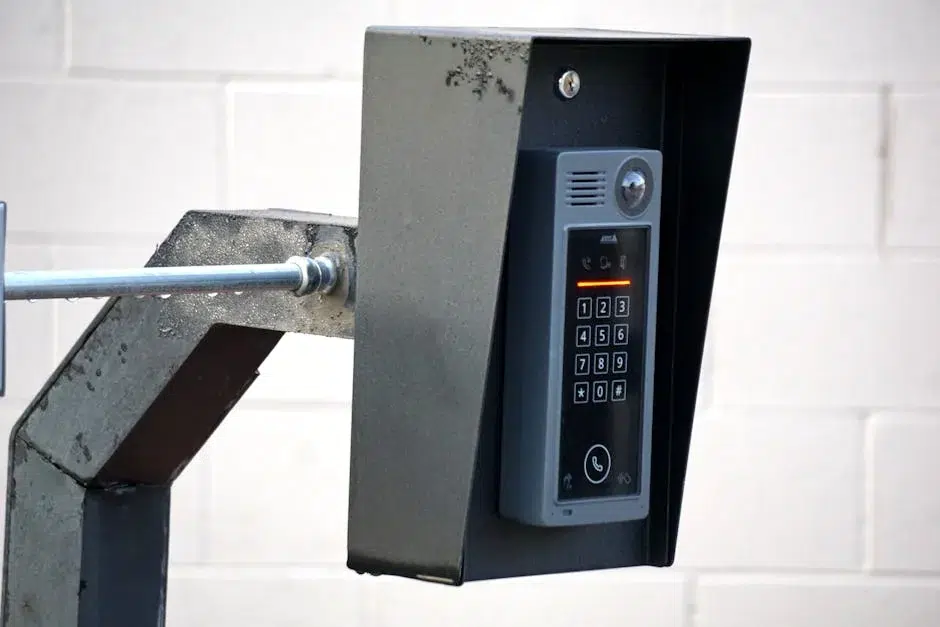
The most important step in fixing a malfunctioning gate keypad is confirming whether the failure is electrical, mechanical, or programming-related. Skipping diagnostics and immediately replacing parts wastes money and can mask deeper operator issues. Professional keypad repair should include:
- Verification of incoming voltage at the keypad and transformer
- Inspection of low-voltage wiring for corrosion, rodent damage, or water intrusion
- Relay output testing to confirm signal transmission to the operator board
- Review of stored access codes and memory capacity limits
- Inspection of enclosure seals and weather gaskets
- Confirmation that UL 325 entrapment protection devices remain operational
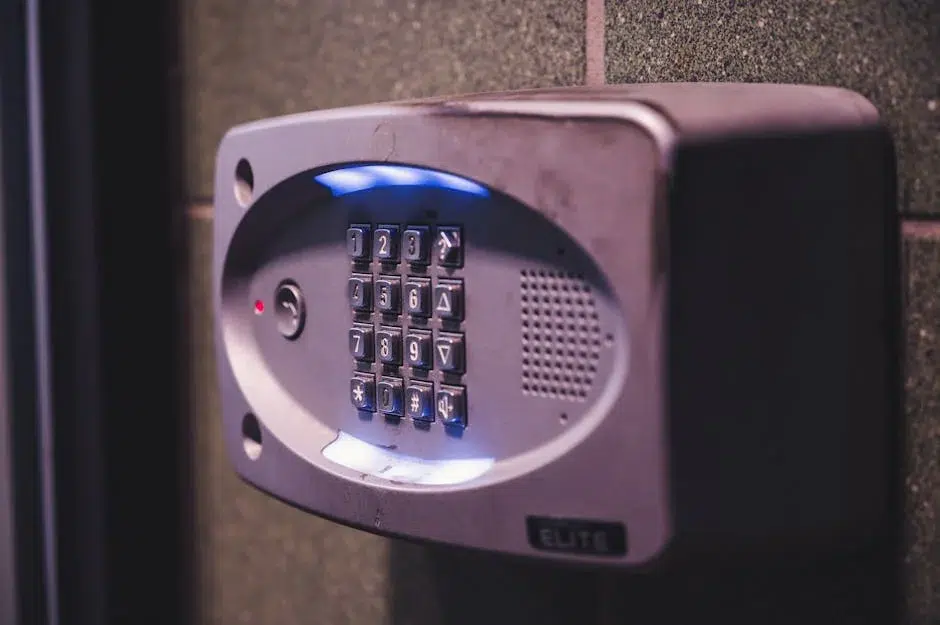
Protecting your keypad from repeat failures
Preventing keypad failure is far less expensive than repairing a damaged operator board. Most manufacturers recommend inspecting access control components at least once per year, especially in outdoor installations exposed to moisture and dust. We advise property owners to follow this maintenance routine:
- Clean the keypad surface and buttons with a non-abrasive cloth every 3 – 6 months.
- Inspect conduit openings and reseal gaps with exterior-grade silicone if cracking appears.
- Check for dim backlighting, delayed response, or intermittent triggering.
- Test entry codes quarterly to ensure memory hasn’t reset after power surges.
Schedule a Gate Keypad Inspection
If your automatic gate keypad is unresponsive, inconsistent, or showing early warning signs, we recommend scheduling a professional inspection before the issue spreads to the operator system. Our team performs full voltage testing, wiring diagnostics, and safety checks to ensure your entire gate system remains compliant and reliable. We work with residential driveways, multi-family communities, and commercial properties throughout Arlington, providing detailed evaluations and clear repair options. Whether the problem is minor programming or a deeper electrical fault, we identify the root cause and correct it safely. Contact us today to restore secure access and prevent unnecessary damage to your gate operator.
FAQs
Why did my automatic gate keypad suddenly stop working in Arlington?
Sudden keypad failure usually traces back to power supply interruptions, wiring damage, or surge events. In Arlington, heavy rain and temperature swings can allow moisture into conduit or keypad enclosures, leading to corrosion at low-voltage connections. If the screen is blank, start by checking the breaker and transformer output. A multimeter reading below manufacturer voltage specifications often indicates transformer failure or wiring resistance. If the keypad lights up but doesn’t open the gate, the issue may involve the relay output or the operator control board. We recommend testing the normally open (NO) and common (COM) terminals for continuity. Avoid jumping wires at the control board unless you fully understand the wiring diagram, as improper bypassing can disable UL 325 safety inputs. When symptoms appear without obvious cause, professional diagnostics prevent unnecessary keypad replacement and identify whether the problem originates upstream in the gate operator system.
How do I reset my automatic gate keypad?
Reset procedures vary by manufacturer, but most keypads require accessing a master code or pressing an internal reset button. Before resetting, disconnect power at the breaker for 30 – 60 seconds to clear minor glitches. After restoring power, consult the installation manual for the correct programming sequence. Keep in mind that resetting may erase stored access codes. For properties with multiple users, document existing codes before proceeding. If the keypad fails to accept programming after reset, the issue may not be software-related. Low voltage, damaged ribbon cables inside the keypad, or relay failure can prevent proper operation. We’ve seen property owners repeatedly reset a keypad when the real issue was insufficient transformer output. Confirming voltage first avoids unnecessary reprogramming and ensures the keypad can retain memory properly.
How much does it cost to fix an automatic gate keypad, and how long does it take?
Repair costs may range from $150 to $450 for minor electrical or programming issues. Full keypad replacements often typically start around $300 and can reach $900 or more depending on model and labor. If wiring must be replaced or the operator board is damaged, costs can exceed $1,000. Pricing fluctuates based on site complexity, material costs, and total scope of work. A straightforward diagnostic and repair may take 1 – 3 hours. Replacing underground wiring or troubleshooting intermittent electrical faults might require half a day. While some issues appear simple, diagnosing hidden wiring resistance or board failure requires testing equipment and technical expertise. These figures are preliminary benchmarks for informational purposes only and do not constitute a binding quote. An on-site evaluation is required for a final proposal.
Can I fix my automatic gate keypad myself or should I hire a professional?
Basic troubleshooting such as checking breakers, cleaning the keypad surface, or replacing batteries in wireless units can often be handled by a homeowner. However, once you begin working with low-voltage wiring tied into a gate operator control board, risks increase. Improper wiring can damage the control board or interfere with safety devices required under UL 325 standards. We’ve encountered situations where well-intentioned DIY repairs resulted in shorted boards and significantly higher repair costs. If you have access to a multimeter and understand wiring diagrams, you may safely verify voltage and inspect visible connections. When readings are inconsistent or the operator behaves unpredictably, professional diagnostics ensure the entire system remains compliant and safe. For most hardwired keypad issues, professional evaluation reduces long-term risk.
What warning signs indicate my keypad is about to fail?
Common early warning signs include dim or flickering backlighting, delayed gate response after entering a code, intermittent operation, or the need to press buttons harder than usual. These symptoms often point to voltage drops, internal keypad wear, or moisture intrusion. Listen for clicking sounds without gate movement, which may indicate relay output failure. Also check for condensation behind the keypad lens or rust around mounting screws. In Arlington’s humid seasons, unsealed enclosures are especially vulnerable. Addressing minor issues quickly can prevent operator board damage. If you notice inconsistent performance more than once, schedule an inspection rather than waiting for complete failure. Early diagnostics typically cost far less than emergency replacement.
Are there common gate keypad problems specific to Arlington?
In Arlington, we frequently see moisture-related wiring corrosion due to seasonal storms and temperature fluctuations. Underground conduits sometimes collect water, especially if they were not properly sealed during installation. Over time, this leads to increased electrical resistance and intermittent keypad triggering. Power surges during thunderstorms also contribute to control board and keypad damage. Installing surge protection designed for gate operators significantly reduces this risk. Additionally, some properties with older masonry columns experience shifting or settling, which can strain wiring connections behind surface-mounted keypads. Routine inspection helps catch these environmental factors before they cause full system failure.
What should I look for when hiring someone to repair my gate keypad?
Look for a contractor experienced specifically with automatic gate systems, not just general electricians. Gate operators must comply with UL 325 safety standards, and technicians should understand how keypad inputs integrate with entrapment protection devices. Confirm that the company carries liability insurance and can explain voltage readings, wiring diagrams, and relay testing procedures. Ask whether they follow manufacturer installation guidelines for brands like LiftMaster or DoorKing. Technicians who immediately recommend replacing the keypad without performing voltage and continuity tests may not be conducting a full diagnostic. A thorough evaluation should include inspection of wiring, transformer output, and control board terminals before recommending replacement.
When should I treat a keypad issue as urgent?
A keypad failure becomes urgent when it compromises property security or prevents vehicle access entirely. If your gate remains stuck open, the security risk increases. If it won’t open at all, access disruption may affect residents or deliveries. First, verify that manual release mechanisms are accessible and functional. Avoid forcing the gate, as this can damage hinges or operator arms. Check breakers and visible wiring connections, but do not bypass safety inputs. If the system shows sparks, burning smells, or repeated breaker trips, disconnect power and schedule professional service promptly. While most keypad problems are not emergencies, ignoring total failure can escalate into broader operator damage and higher repair costs.