
Sliding Gate Repair in North Richland Hills: Cost Guide for Homeowners and Property Managers
July 1, 2026
- By
- Star Gate and Fence
- Gate Repair Specialist
A sliding gate that jerks, stalls, or scrapes along the track is more than an inconvenience – it signals wear that can escalate into motor failure or structural damage. At Star Gate and Fence, we’ve handled sliding gate repair projects across North Richland Hills for years of experience, and we’ve noticed most major breakdowns start with small, ignored symptoms. Just last month, a property owner called us after their gate stopped halfway during a storm; the issue began as a slight grinding noise weeks earlier. Ignoring those early warning signs often leads to higher repair bills and safety risks. We’ve seen a simple roller replacement turn into a full track rebuild because the gate continued operating while misaligned. If you’re already researching sliding gate repair in North Richland Hills, you’re ahead of the curve – and this guide will walk you through what costs to expect and why.
How Proper Repairs Protect Safety, Warranty, and Long-Term Costs
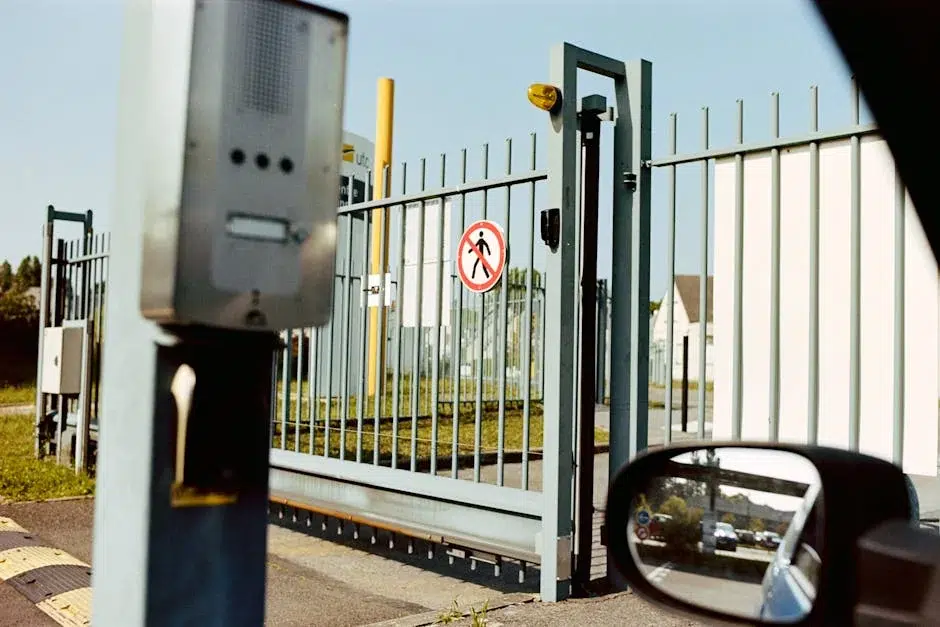
Proper sliding gate repair starts with safety compliance and precise mechanical correction. Quick fixes may get the gate moving, but they often ignore alignment tolerances and safety device calibration. We approach every repair with a full-system evaluation because partial adjustments frequently lead to repeat failures. High-quality professional service should include:
- Full inspection of rollers, track welds, gate frame weld integrity, and support posts.
- Verification of UL 325 compliant photo eyes and entrapment protection devices.
- Testing of limit switches, force settings, and motor amperage draw.
- Track realignment within manufacturer-specified tolerances.
- Use of manufacturer-approved replacement parts.
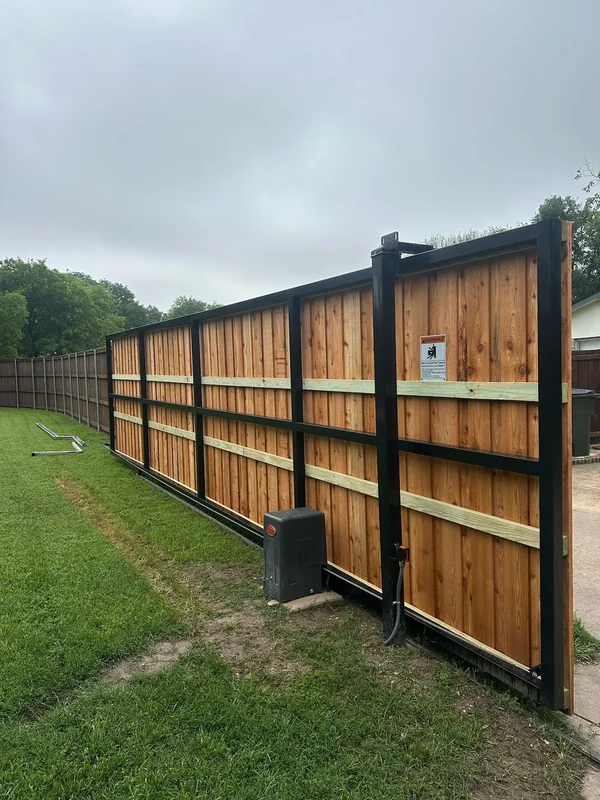
How Routine Service Reduces Repair Costs Over Time
Preventive maintenance directly lowers long-term sliding gate repair costs. Most sliding gate systems benefit from professional inspection every 6 to 12 months, depending on usage frequency. High-cycle gates at multi-family properties may require quarterly service. A typical maintenance visit may range from $150 to $350, while moderate repairs such as roller replacement often fall between $300 and $800. Major operator replacements can range from $900 to $2,500 depending on motor size and control board configuration. Costs may fluctuate based on:
- Site complexity and accessibility.
- Material costs for rollers, track steel, or operator components.
- Total scope, including electrical or structural corrections.
- Quarterly debris removal from tracks.
- Applying lithium-based grease to roller bearings twice annually.
- Checking photo-eye alignment after storms.
- Scheduling annual professional force-setting calibration.
Schedule a Professional Sliding Gate Assessment
If your sliding gate is slowing down, making noise, or failing to close completely, the most cost-effective step is a professional inspection before damage spreads to the operator or track system. We evaluate structural alignment, mechanical wear, and safety compliance in one comprehensive visit so you understand exactly what needs attention. Our team documents findings, explains repair options clearly, and prioritizes solutions that protect both safety and long-term reliability. Whether you manage a commercial property or maintain a residential driveway gate in North Richland Hills, a proactive assessment prevents small mechanical issues from turning into expensive replacements. Let’s identify the problem early and provide a clear plan forward.
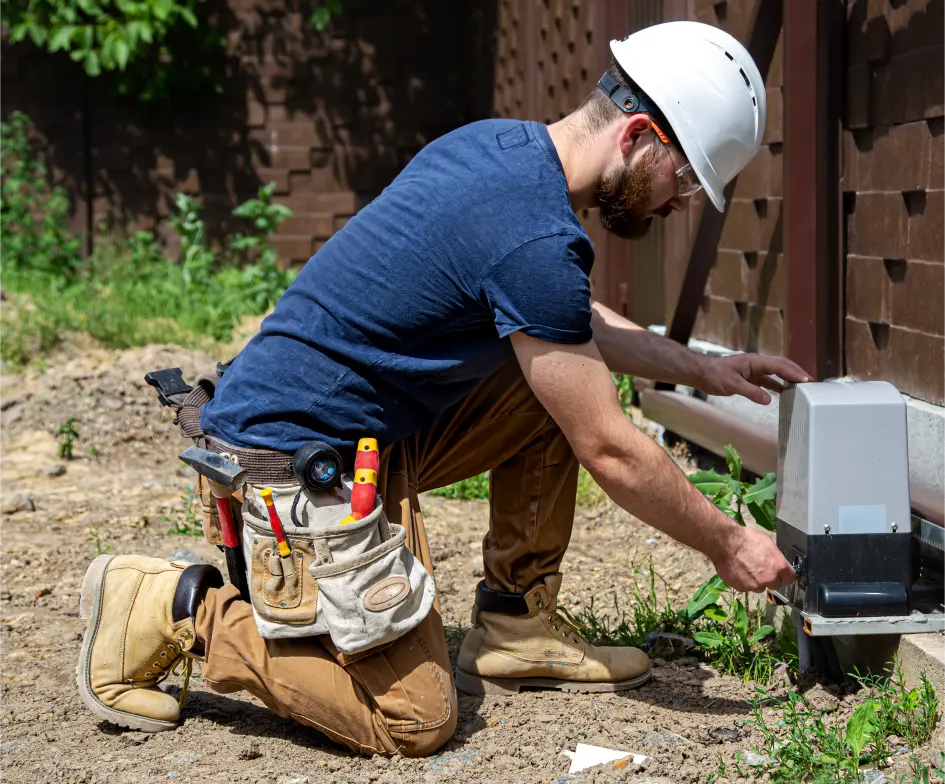
FAQs
What factors most influence sliding gate repair costs in North Richland Hills?
Repair costs depend largely on the mechanical component that failed and whether structural correction is required. Roller replacements and track adjustments typically cost less than operator or control board replacements. If the gate frame has twisted or a support post has shifted due to soil movement, welding and concrete work may increase labor time. Electrical diagnostics also affect pricing. A simple capacitor replacement is far less involved than replacing a full motor assembly or reprogramming a control board. Usage frequency plays a role as well – high-cycle gates at multi-tenant properties wear out faster than residential systems. In North Richland Hills, expansive clay soil can shift gate posts over time, which adds alignment corrections to what might otherwise be a minor repair. Access to the site, gate weight, and availability of manufacturer-specific parts also influence the final cost.
How long does a typical sliding gate repair take?
Most minor mechanical repairs, such as replacing V-groove rollers or adjusting chain tension, can be completed within one to three hours. Operator replacements or track welding projects may take four to eight hours depending on complexity. If structural concrete footings require correction, the timeline may extend over multiple days because concrete needs curing time before the gate can be fully reinstalled and aligned. Electrical troubleshooting sometimes adds diagnostic time, especially if underground wiring must be traced. Weather can also affect scheduling in North Richland Hills. Heavy rain may delay welding or excavation work. During an inspection, we outline realistic time expectations based on the scope of work so property owners can plan accordingly and minimize access disruptions.
What is the average cost range for sliding gate repair?
Sliding gate repair costs may range from approximately $250 for minor adjustments to $2,500 or more for full operator replacements. Moderate repairs, such as roller replacement and track realignment, typically fall between $300 and $800. Pricing fluctuates based on site complexity, material costs, and total scope of work. For example, a heavy steel gate requiring specialty rollers will cost more than a lightweight aluminum gate. Limited site access or underground wiring issues may also increase labor time. Control board replacements can vary significantly depending on manufacturer compatibility and programming requirements. These figures are preliminary benchmarks for informational purposes only and do not constitute a binding quote. An on-site evaluation is required for a final proposal.
Can I repair a sliding gate myself, or should I hire a professional?
Homeowners can handle basic maintenance tasks such as clearing debris from the track or applying lithium-based grease to exposed roller bearings. Checking remote batteries and verifying breaker status are also reasonable first steps. However, mechanical alignment, welding, and motor diagnostics require specialized tools and safety knowledge. Gate operators involve high-torque components and electrical systems that can cause injury if handled improperly. Additionally, automated systems must meet UL 325 safety requirements, including calibrated force settings and functional photo-eye sensors. Improper DIY adjustments sometimes void manufacturer warranties. If the issue involves grinding noises, sagging, or inconsistent motor performance, professional diagnostics are the safer and often more cost-effective option.
What warning signs indicate my sliding gate needs repair?
Common warning signs include grinding or squealing sounds, jerky motion, delayed response from the remote, and visible sagging at the front edge of the gate. If the gate hesitates before starting or stops short of the fully closed position, the limit switches or motor capacitor may be failing. Inspect the track for flat spots or debris buildup. Look at the rollers for uneven wear. If safety sensors blink or fail to respond during obstruction testing, that requires immediate correction to remain compliant with safety standards. Addressing these symptoms early prevents damage to the operator and reduces the risk of sudden failure. In North Richland Hills, soil movement can gradually shift alignment, so visible gaps or leaning posts also deserve prompt inspection.
Are there common sliding gate problems specific to North Richland Hills?
Yes. Expansive clay soil in North Richland Hills can shift concrete footings over time, causing gate posts to lean or tracks to fall out of alignment. This leads to uneven roller wear and increased motor strain. High summer temperatures also affect metal expansion. Steel tracks may expand slightly, which can amplify alignment issues if tolerances were already tight. Wind-driven debris can collect inside ground tracks, especially on properties near open fields or construction zones. We frequently see gates where minor seasonal movement gradually worsened until the operator struggled to pull the weight. Regular alignment checks and debris removal are especially important in this region to maintain smooth operation.
What should I look for when hiring a sliding gate repair professional?
Look for technicians who understand UL 325 and ASTM F2200 safety requirements for automated gates. Ask whether they test force settings and entrapment devices as part of every repair. Proper insurance coverage and experience with both mechanical and electrical components are essential. A qualified professional should provide a clear diagnosis, explain why a part failed, and outline options before beginning work. If a contractor suggests replacing an entire operator without performing electrical testing, that may indicate incomplete diagnostics. In North Richland Hills, familiarity with soil-related alignment challenges is valuable. Professionals who document their findings and offer preventive maintenance guidance typically deliver more reliable long-term results.
When is a sliding gate issue urgent but not an emergency?
A sliding gate that intermittently stops, reverses unexpectedly, or fails to close fully should be scheduled for prompt service, even if it still operates. These symptoms often indicate motor strain or safety sensor malfunction. If the gate drags heavily along the track, avoid forcing it repeatedly, as that can burn out the operator. Instead, leave it in the open position if security allows and schedule professional inspection. Disconnecting power temporarily can prevent additional electrical damage. While most sliding gate problems are not immediate emergencies, delaying repairs can escalate costs and create liability risks if the system fails to respond safely. Addressing the issue within days rather than weeks typically keeps repairs simpler and more affordable.