
Vinyl vs Wood Fence: Which Material is Right for You?
March 26, 2026
- By
- Star Gate and Fence
- Professional Fence Installation Experts
Vinyl vs Wood Fence: Which Material is Right for You? The right choice can affect your home’s privacy, security, and long-term value. At Star Gate and Fence, we’ve helped homeowners design and install countless fences over the years, and we’ve seen both vinyl and wood excel under the right conditions. This article will simplify your decision by comparing their strengths, weaknesses, and maintenance demands. Learn what truly matters before you invest in your next fence. We once worked with a homeowner who replaced a decayed wood fence just five years after install because it wasn’t sealed correctly. Proper material selection could have doubled its lifespan. Whether you prefer the timeless charm of wood or the low upkeep of vinyl, understanding the differences can save you thousands in future repairs. Visit our local fence company page for expert insights on fence planning.
Why craftsmanship and maintenance matter most
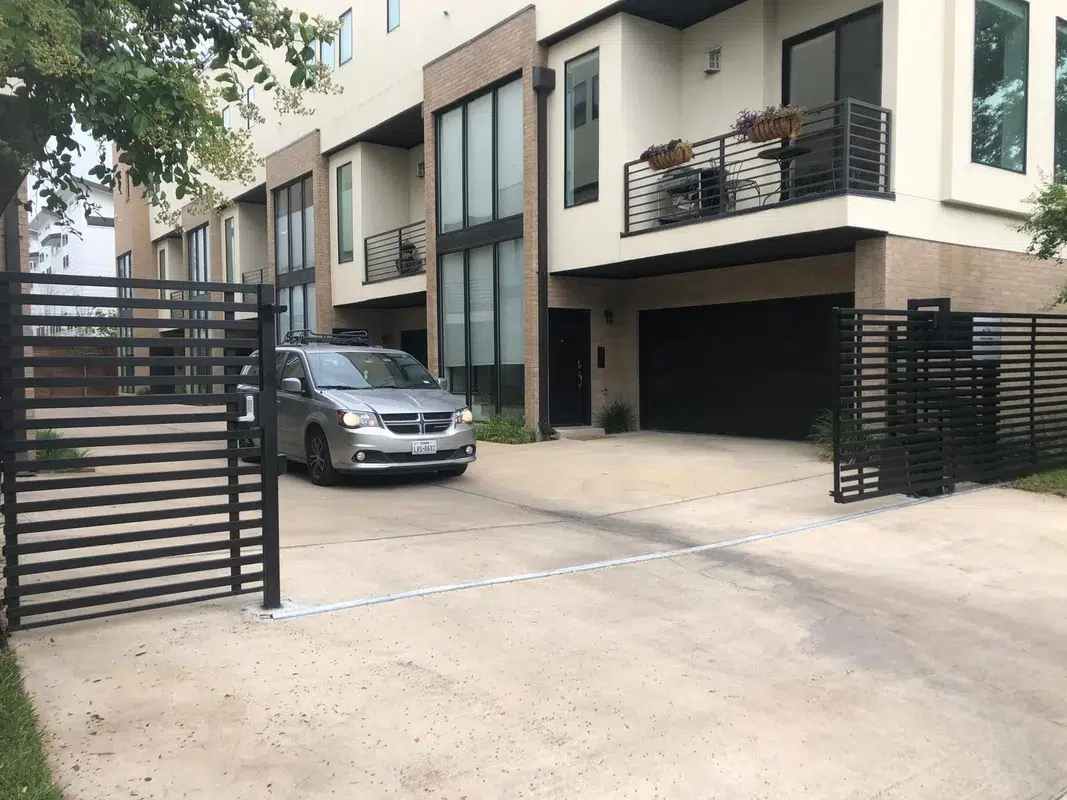
Choosing wood fencing means committing to proper craftsmanship and regular care. Wood remains one of the most timeless materials, appreciated for its natural warmth and customizable finish. To meet strength and safety guidelines, our team follows standards from the International Residential Code (IRC Section R301), ensuring load-bearing performance suitable for wind and soil conditions. A improperly anchored post or untreated board can quickly compromise the entire fence line. We recommend:
- Pressure-treated pine or cedar for improved rot resistance
- Sealing within 60 days of installation using an oil-based sealant
- Fasteners rated for exterior use (galvanized or stainless steel)
- Post depths of at least 24 inches with concrete backfill for stability
Key factors that determine which material fits your home best
Our team helps homeowners weigh cost, longevity, style, and maintenance before committing to vinyl or wood. Here’s how both materials compare across the factors that matter most:
One client switched from wood to vinyl after severe termite damage spread across their fence line in less than a year. Another preferred wood for its ability to match their deck and landscaping. Both decisions were right for their goals – vinyl for longevity and reduced maintenance, wood for natural design consistency. Installation times vary: vinyl fences can be installed in 2 – 4 days, wood in 3 – 5 days depending on terrain and site size. Costs depend on site complexity, material availability, and total length. These figures are preliminary benchmarks only and not binding quotes. Visit fence builders page to learn how installation timelines are estimated.
| Criteria | Vinyl Fence | Wood Fence |
|---|---|---|
| Durability | Resists rot, insects, and UV rays; lasts 25+ years with minimal upkeep | Strong structure but vulnerable to decay, pests, and moisture if untreated |
| Maintenance | Requires only occasional cleaning | Needs staining or sealing every 2 – 3 years |
| Appearance | Clean, uniform appearance; available in various colors | Natural aesthetic with customizable styles and stains |
| Cost | $25 – $40 per linear foot installed | $18 – $30 per linear foot installed |
| Environmental Impact | Manufactured from PVC, recyclable but non-organic | Renewable resource; sustainability improves with certified lumber |
| Repairs | Panel replacements are larger but infrequent | Individual boards can be replaced easily |
Need Help Deciding Between Vinyl and Wood?
Choosing the right fence material is more than a design choice – it determines durability, maintenance, and long-term return on investment. At Star Gate and Fence, our specialists take the guesswork out of the process with a free, low-pressure consultation tailored to your property, goals, and budget. We explain every option in plain language, show real material samples, and provide honest insight into upkeep requirements. Choosing wisely now means fewer repairs, lower costs, and lasting curb appeal. Our expert installation team ensures precision, strength, and beauty from day one. Don’t wait until small problems become expensive fixes – contact Star Gate and Fence today to secure a solution that adds value, safety, and style to your home.
FAQs
How long does a vinyl fence really last compared to wood?
A durable, high-quality vinyl fence can last anywhere from 25 to 40 years with very little maintenance, making it one of the most reliable long-term fencing options for homeowners. Vinyl is manufactured from PVC that includes UV stabilizers, which help prevent fading, cracking, and other damage caused by constant exposure to sunlight. This material does not absorb moisture, so it effectively resists warping, insect damage, and rot. Wood fences, on the other hand, typically last about 10 to 20 years depending on the wood species, local climate, and the amount of ongoing maintenance they receive. While wood offers a traditional and timeless appearance, it requires regular staining, sealing, or painting to protect it from moisture and pests. Homeowners who appreciate a classic style and don’t mind occasional upkeep can maintain a wood fence for several decades with consistent care.
Which fence provides better privacy and noise reduction?
Both vinyl and wood fencing can provide excellent privacy and noise reduction when installed at a height of six feet or more with tightly fitted panels. Vinyl panels often feature interlocking edges that eliminate visible gaps, creating a smooth, continuous surface that effectively blocks views and muffles sounds from nearby traffic or neighboring properties. Wood fences, on the other hand, rely on board configuration and installation precision. Designs such as board-on-board, shadowbox, or stockade styles can achieve near-total privacy while maintaining some airflow, which can be beneficial in humid or windy climates. Although vinyl tends to offer slightly better acoustic performance because of its solid structure and lack of seams, a well-built wooden fence can still absorb and diffuse sound effectively. Ultimately, the decision often comes down to aesthetic preference, maintenance requirements, and the desired balance between ventilation and privacy.
How much does it cost to install a vinyl or wood fence?
Vinyl fences typically range from about $25 – $40 per linear foot installed, while wood fences generally cost between $18 – $30 per linear foot. These price ranges can vary considerably depending on several factors such as the type of material selected, the complexity of the site, and the specific design features requested. For example, steeper slopes, uneven ground, or rocky soil conditions may increase labor time and require additional materials for proper installation. Higher-end vinyl with thicker gauge panels or premium wood such as cedar usually commands a higher price compared to basic pine or thinner vinyl. Regional material availability, labor market conditions, and seasonal demand can also influence overall pricing. The figures provided here should be viewed only as preliminary benchmarks. A detailed on-site assessment is always necessary to deliver an accurate and customized project estimate.
Is it realistic to install a vinyl or wood fence yourself?
DIY installation can be a reasonable option for short or uncomplicated fence lines if you already have the proper tools, materials, and an understanding of local permit requirements. However, for most homeowners, professional installation is the safer and more efficient path. A licensed contractor ensures that the fence complies with municipal codes, that posts are set at the correct depth, and that the entire structure is built to maintain long-term stability. Vinyl fencing demands exact measurements and careful rail alignment to avoid gaps or sagging, while wood fencing requires thorough concrete setting and precise post spacing to prevent lean or warping. Professionals also possess specialized equipment such as power augers, posthole diggers, and leveling tools that help achieve accurate results. Hiring an experienced installer minimizes costly mistakes and ensures your fence meets property boundaries and durability standards.
How do I maintain a wood fence to prevent rot?
Start by applying a high-quality, exterior-grade oil-based sealant within 60 days of installation to protect the wood from moisture and ultraviolet damage. This initial sealing step is critical for long-term durability, as untreated wood quickly absorbs water and can start to warp or crack. Conduct a full inspection at least once a year, checking for peeling paint, cracked boards, rusting nails, or loose fasteners that could weaken the structure. When cleaning, use a soft brush and mild soap mixed with warm water to gently remove dirt, mildew, and pollen buildup, but avoid pressure washers that can strip protective coatings and expose raw wood fibers. Reapply sealant or replace damaged sections every 2 to 3 years to maintain appearance and durability. Keep a small clearance between the fence bottom and the soil to prevent ground moisture from wicking upward. For fence posts, confirm there is proper drainage around the base, and consider installing steel or heavy-duty plastic sleeves to help prevent rot in areas with frequent rain or poor drainage. Staying proactive about moisture control, fastener maintenance, and surface protection significantly extends the lifespan of any wooden fence and preserves its clean, attractive finish.
What are the most common problems with vinyl fences?
Vinyl is a popular and dependable fencing material, but it still requires care and proper installation to maintain its appearance and structural integrity over time. Although it resists most weather-related damage, vinyl can become brittle and crack in extremely cold conditions if it is not manufactured with the right additives. Likewise, prolonged exposure to direct heat or sunlight may cause panels to warp, particularly when installed without allowing for natural expansion and contraction. Shaded areas often experience algae or mildew buildup, so regular washing using mild, non-abrasive cleaners and soft-bristled brushes helps preserve color and finish. Homeowners should also exercise caution when using lawn tools since repeated contact from string trimmers can scuff or weaken the lower edges of posts. Installing high-quality vinyl that includes UV inhibitors and metal-reinforced rails significantly reduces these risks. Proper post depth, level placement, and spacing are crucial for avoiding future shifting, buckling, or misalignment. Attention to these details during installation and maintenance ensures the fence remains attractive, secure, and low-maintenance for many years.
What should I look for when hiring a fence contractor?
Always request proof of proper licensing, current insurance coverage, and active membership in professional organizations such as the American Fence Association or equivalent trade groups. These credentials verify that the contractor follows recognized industry standards and stays updated on local regulations. Carefully review their project portfolio to see examples of completed work similar in scale, material type, and style to your own fencing needs. Take time to read verified customer reviews from reputable sources, focusing on reliability, quality of workmanship, and responsiveness. A dependable fencing contractor should provide a detailed, itemized written estimate that clearly specifies materials, post depth, installation method, expected completion timeline, and warranty terms. Consistent communication, transparent scheduling, and adherence to building codes indicate professionalism. Avoid companies that ignore utility line marking requirements or substitute low-quality materials. Before signing, confirm legitimacy by visiting their physical office or verified website to ensure accountability and trust.
When should I replace rather than repair my fence?
Replace your fence when structural damage – such as rotted posts, broken rails, missing panels, or severe leaning – spreads beyond a few isolated areas. Small repairs can temporarily improve appearance, but they rarely stop ongoing decay. Wood that feels soft, splinters easily, or crumbles at the base indicates compromised stability. Likewise, vinyl or composite materials that have become brittle from prolonged UV exposure can lose flexibility and crack under pressure. Mold, deep discoloration, or fading that returns shortly after cleaning suggests damage has penetrated the protective surface. Check that every post remains securely anchored, since loose foundations can allow sections to shift or collapse. When a fence requires constant attention or no longer provides necessary privacy, security, or curb appeal, full replacement becomes the most reliable and cost-effective solution. Schedule annual inspections to identify early warning signs and extend your fence’s overall lifespan.