
Fence Permit & Height | How Tall Can a Fence Be in Dallas, TX?
Planning to build a fence around your property? Before you start digging post holes, you need to know the rules. The City of Dallas has specific regulations on the height of fences on residential properties. These rules exist for safety, visibility, and neighborhood consistency. Getting it wrong can mean fines or tearing down your new structure. We get questions about this all the time. This guide breaks down everything you need to know about installing a fence in Dallas. Let’s take a closer look at fence height together:
Understanding How Tall a Fence Can Be in Dallas
The basic answer depends on where you want to place your structure. In Dallas, residential fences are subject to different restrictions based on location. Your front yard has stricter rules than your backyard. The city wants to keep streets visible and neighborhoods looking good.
For most properties, you can extend the front yard setback up to 4 feet. In side and rear yards, you can build up to 6 feet without special approval. Want something taller? Anything over 9 feet in height requires an engineer’s stamp. The city considers structures over that limit to be buildings. Understanding how tall a fence can be starts with knowing your property layout.
Front Yard vs. Backyard Height Regulations
Your front yard has the strictest limits. The City of Dallas caps front yard structures at 4 feet above grade. This applies to single-family and duplex properties. The reasoning makes sense. Taller barriers block visibility for drivers and pedestrians. They can also hide safety hazards from view.
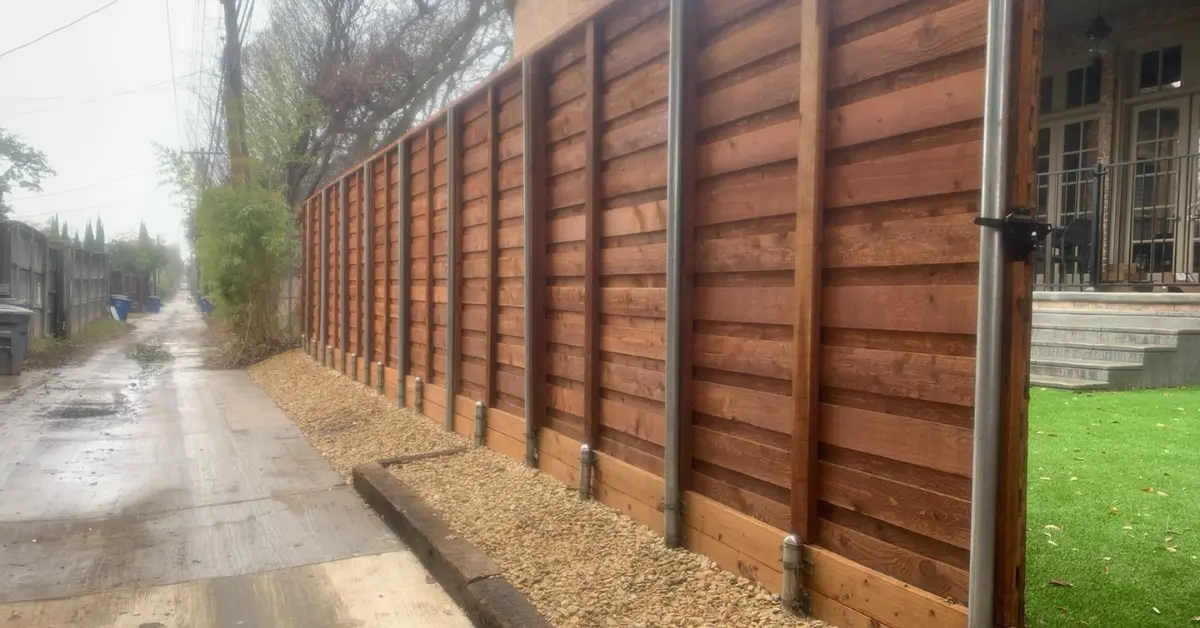
Privacy fences in back and side yards can reach 6 feet. This gives you solid screening from neighbors while staying compliant. Many homeowners choose chain link or wood panels for these areas. If you want to exceed 6 feet, you need a permit. You’ll also need to check if your property has any easement restrictions before starting work.
Corner Lot Visibility Requirements
Own a corner lot? You face extra rules. Dallas requires clear sight lines at intersections for driver safety. Fences near street corners cannot exceed 2.5 feet in the visibility triangle. This area typically extends about 20 feet from the intersection.
These setback requirements protect everyone on the road. Breaking this rule can result in a fine or removal order. Always check your property survey before planning fence installation on a corner lot. A fence contractor familiar with Dallas can quickly identify these restricted zones.
When Is a Fence Permit Required in Dallas?
Not every project needs city approval. Simple structures under the height limits often skip the permit process. But the City of Dallas requires permits for specific situations. Exceeding 4 feet in a front-yard setback triggers the requirement. Exceeding 6 feet anywhere else on private property also requires one.
Here’s when a permit is required:
- Structures over 4 feet in front yard areas
- Anything over 6 feet in side or rear yards
- Pool barrier fencing with specific requirements
- Projects in flood plain or easement areas
- Construction in special zoning districts
The permit process confirms your project meets safety and zoning laws. Skipping this step can lead to stop-work orders or costly rebuilds.
Planned Development Districts and Historic Areas
Dallas has special zones with unique rules. Planned development districts and historic district areas often have stricter guidelines. These neighborhoods may limit materials, colors, or heights beyond standard code. A conservation district might require specific requirements for fence styles.
Before you build a fence in these areas, contact the city. They can tell you what applies to your property line. You may need approval from a landmark commission. Working with a local fence contractor helps navigate these extra steps smoothly.
How Tall Can a Fence Be Without Breaking Zoning Laws
Staying compliant protects your investment. The maximum heights are clear: 4 feet in front, 6 feet elsewhere. But zoning laws add more details. You cannot install structures in utility easement areas without written permission. Barbed wire is only allowed 6 feet or higher above grade in residential areas.
Understanding how tall a fence can be also means knowing the material rules. Dallas prohibits certain plastics and materials in residential zones. The property survey shows where your property line actually sits. Building even a few inches above the setback line can create legal problems with neighbors. Always measure twice and verify boundaries before fence installation begins.
Choosing the Right Fence Contractor for Compliant Installation
Hiring an experienced fence contractor makes everything easier. They know local fence codes and handle permit paperwork. A good contractor inspects your property for easement issues and compliance with setback requirements. They understand how tall a fence can be in each part of your yard.
Look for contractors who work regularly in Dallas. Ask about their experience with planned development districts. Request references from recent residential fence projects. The right team saves you time, money, and headaches. They ensure your fence installation meets every city requirement from day one.
Build Your Fence the Right Way in Dallas
Installing a fence should add value and security to your home. But cutting corners on permits creates problems later. The City of Dallas enforces height regulations seriously. Fines and removal orders cost more than doing it right from the start.
Now you know how tall a fence can be on your Dallas property. Front yards max out at 4 feet. Back and side areas allow 6 feet. Corner lots need extra attention for visibility. Special districts have their own specific requirements. Work with a qualified fence contractor who understands these rules. Get your property survey and check for any easement issues. Taking these steps ensures your new fence stands strong and stays compliant for years.
Frequently Asked Questions
Can I build a fence directly on my property line in Dallas?
Yes, you can typically build on your property line. However, you should verify the exact boundary with a property survey first. Building even slightly over the line can create disputes with neighbors. Some easement areas along property lines may completely restrict construction.
What happens if I build a fence without a permit in Dallas?
The city can issue stop-work orders and fines. You may need to apply for a retroactive permit, which often costs more. In worst cases, you might have to remove non-compliant sections entirely. It’s always cheaper to get proper approval upfront.
Are pool fences subject to different height rules?
Yes, pool barriers have specific requirements beyond standard fence rules. Dallas requires certain latch heights, gap limits, and self-closing gates. These safety features need inspection. Check with the city for current pool fence codes before installation.
Can I use any material for my residential fence in Dallas?
No, Dallas prohibits certain materials. Thin plastics and some wire types aren’t allowed in residential areas. Barbed wire is permitted only 6 feet or more above grade. Chain link, wood, vinyl, and wrought iron are commonly approved materials.
Can I build a fence directly on my property line?
Technically, yes, but it’s complicated. You need to know exactly where the line sits, which often requires a survey. Many experts recommend setting your structure a few inches inside your property to avoid disputes. Always talk to your neighbors first, since they’ll be looking at it too.
Do I need my neighbor's permission to build a fence?
You don’t need legal permission if building on your own property. However, Dallas does have rules about blocking a neighbor’s light and airflow. Discussing plans with neighbors beforehand prevents conflicts and complaints to the city.
How long does it take to get a fence permit in Dallas?
Simple permits can sometimes be issued the same day at the counter. Projects in historic districts or those requiring engineering review take longer. Plan for a few days to a couple of weeks, depending on complexity. Your fence contractor can often expedite this process.