
Gate and Fence Contractor in Allen, TX

On Allen’s expansive soils, our direct employees plan footings and install and repair gates, fences and outdoor structures.

In Allen, we install automatic and custom iron gates, repair gates and operators, and build wood, vinyl, iron and chain link fencing. Concrete work and carport installation are also part of our services.

Founder Elia Amiel works in the field. Our direct employees do every job, never subcontractors. Expansive black clay can shift supports and cause failures, so our concrete footing work follows the one-third depth rule. For gates, we follow ASTM F2200 construction requirements and UL 325 operator safety requirements.

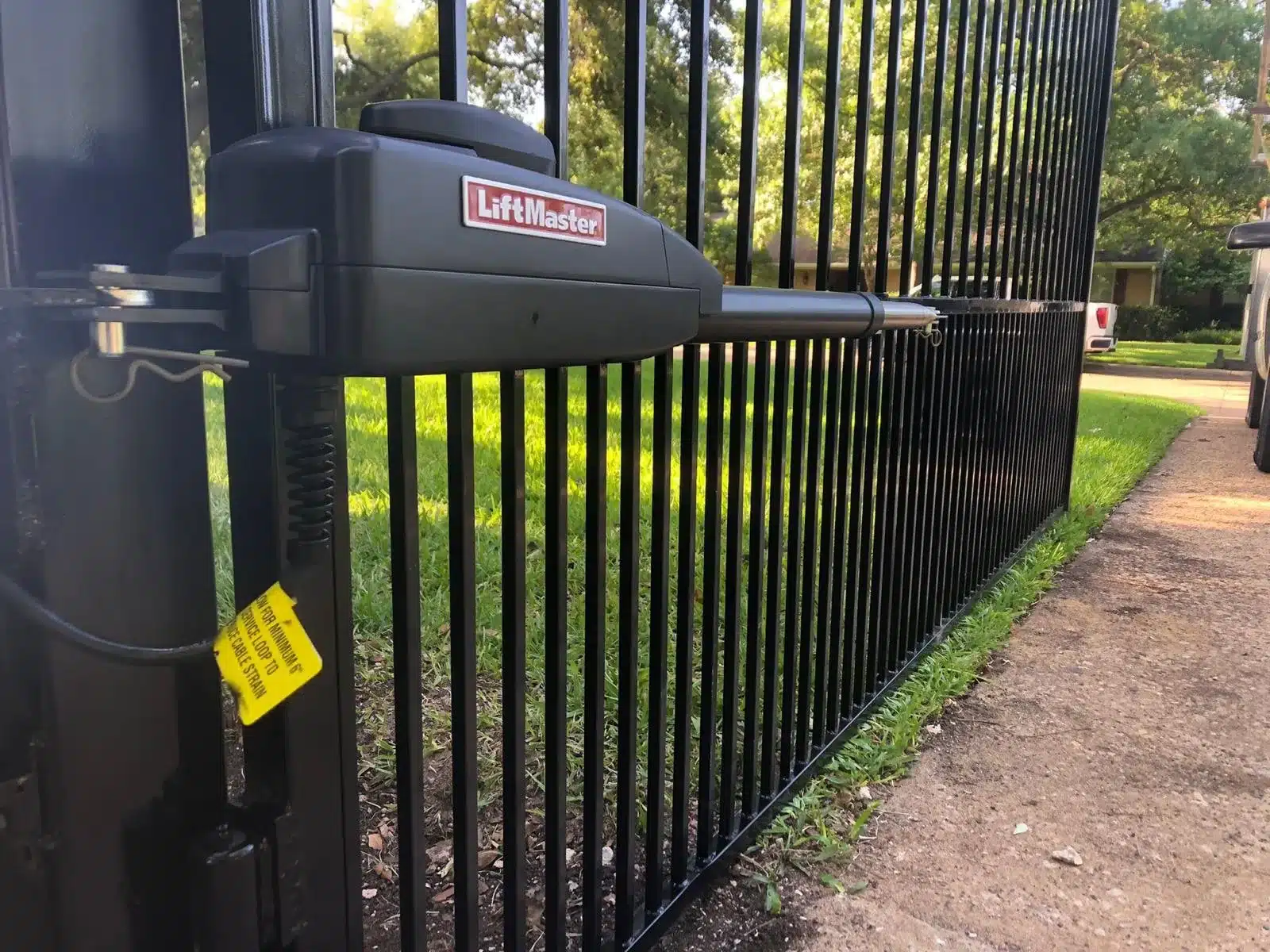
Black metal driveway gate with automatic opener mounted on left post, yellow safety label visible.

Ground Conditions Shape Posts and Pads

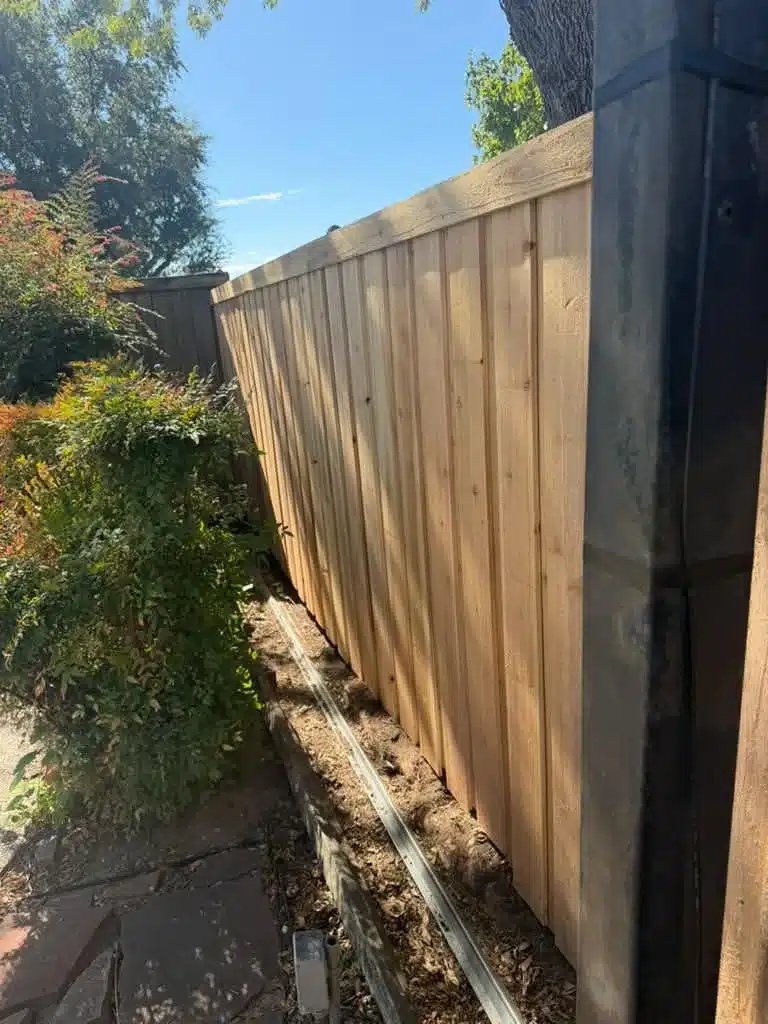
Tall light wood privacy fence with vertical boards beside a stone path and green shrubs under a blue sky.

Soil movement needs attention before new construction. The city identified both existing construction and undeveloped areas for an expansive-soil damage study. Expansive black clay causes failures as moisture changes make it swell and shrink, moving shallow posts and disturbing gate alignment. We use the one-third depth rule for concrete post footings and assess actual soil conditions rather than repeating the same footing detail across every property.

The county hazard plan places the city in the Blackland Prairies. We measure the grade along the proposed opening and fence run. A rising driveway can interfere with a swinging gate; a sliding layout needs suitable space alongside the opening. Regional terrain descriptions cannot replace those measurements.

Heavy rain can overwhelm already-saturated ground. On low-lying properties or sites beside Watters Creek, we check where runoff crosses the proposed work. Fence bottoms, gate pads and hardscaping must preserve drainage routes rather than trap water against structures.
Gate, Fence and Outdoor Construction Services

Automatic Gate Installation

Gate layout starts with measured clearance. We plan automatic gate installation around driveway grade, available swing or slide space, and vehicle access. Local high-wind exposure affects support and anchoring choices, particularly for broad gate panels. Our installations address ASTM F2200 gate construction and UL 325 operator safety compliance, including the required protective devices.

Gate and Operator Repair

Storm damage calls for more than an operator check. The city's hazard plan identifies all improved property as vulnerable to hail. During gate repair, we inspect exposed hardware, gate frames and operator enclosures for damage. We also check whether soil movement has shifted supports before deciding which mechanical or electrical repairs belong in the scope.

Wood Fence Installation

A solid fence presents a broad surface to wind. With high winds identified as a local hazard, we assess the exposure of each run and plan its posts and connections accordingly. Along low spots, we check runoff before setting the bottom line. The scope covers the wood fence layout, openings and any damaged sections being replaced.

Wrought Iron Fence Installation

Existing supports need inspection before new iron panels are attached. Local expansive-soil concerns make leaning posts and cracked concrete relevant to the replacement scope. We plan wrought iron fencing around measured grades, panel connections and gate openings. Where the ground changes level, we establish the fence line before setting posts or ordering the panel layout.

Concrete and Hardscaping

New concrete must account for water leaving the site. Heavy rain on saturated soil can produce flash flooding here, so we assess runoff paths before laying out driveways, gate pads and adjoining hardscaping. Existing cracking also informs site preparation. Near FEMA-identified floodplains, the city's development prohibition makes early municipal review part of deciding where work can proceed.

Carport Installation

Carport planning includes the site's weather exposure. The local hazard plan classifies tornadoes, high winds, hail, lightning, extreme heat and winter storms as moderate risks. We assess support locations, anchorage and weather-resistant materials as part of the installation scope. Existing concrete and signs of soil movement need review before choosing where the structure will stand.

Check Municipal and Property Approvals First

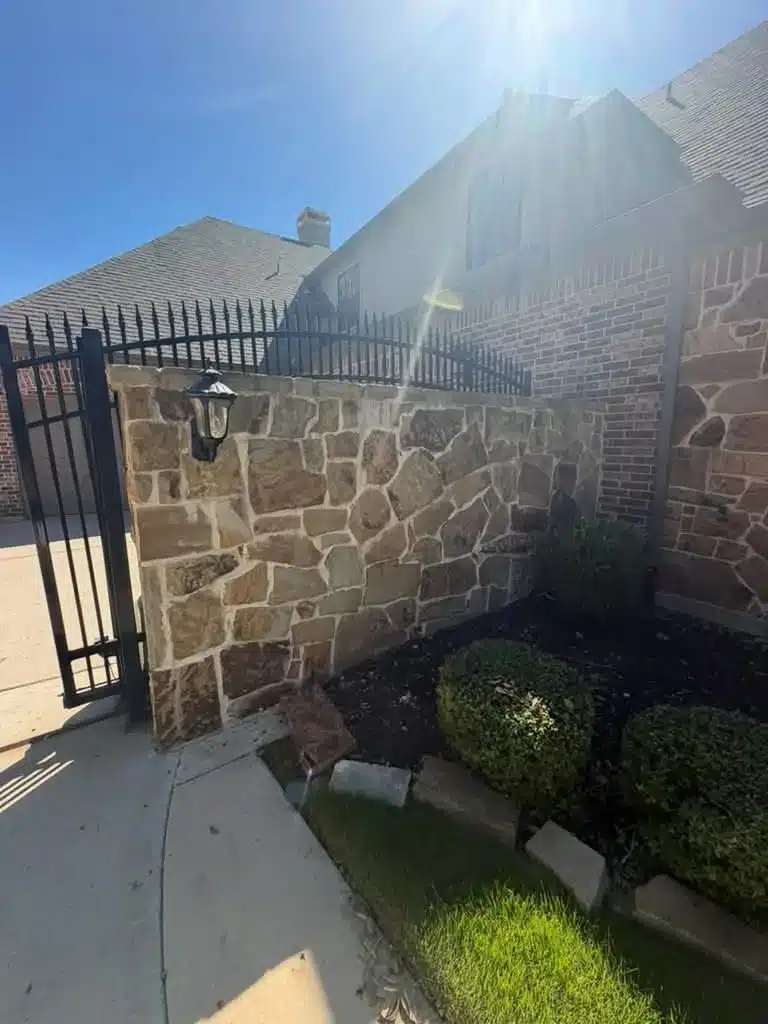
Irregular tan stone wall topped by a black iron fence and gate beside a concrete walkway and clipped shrubs

Allen’s prohibition on development in FEMA-identified floodplains makes the proposed work location an approval question before drawings are finalized. We check mapped restrictions before settling fence lines, gate openings or associated concrete. The city enforces building and fire codes. We ask the city to confirm the permit route for the proposed fence or gate, including any hardwired operator, before installation proceeds.

If your association requires architectural approval, provide its current submission rules so we can account for that review alongside municipal requirements. We assemble the project paperwork around the proposed layout and equipment, then coordinate the required inspection scheduling. Confirming both approval routes early keeps the scope tied to the property’s actual restrictions.

Permits issued by: the local building department

How we build in Allen

The same engineering standards apply on every job, whatever the property.

  • Direct employeesOur own crews set every post, pour every footing and wire every operator. We never use subcontractors.

  • Footings to depthStructural posts go into concrete to the one-third depth rule, so expansive clay cannot heave them out of line.

  • Safety standardsAutomated gates are built to ASTM F2200 geometry and wired to UL 325, with sensors tested before handover.

From Site Assessment to Final Testing

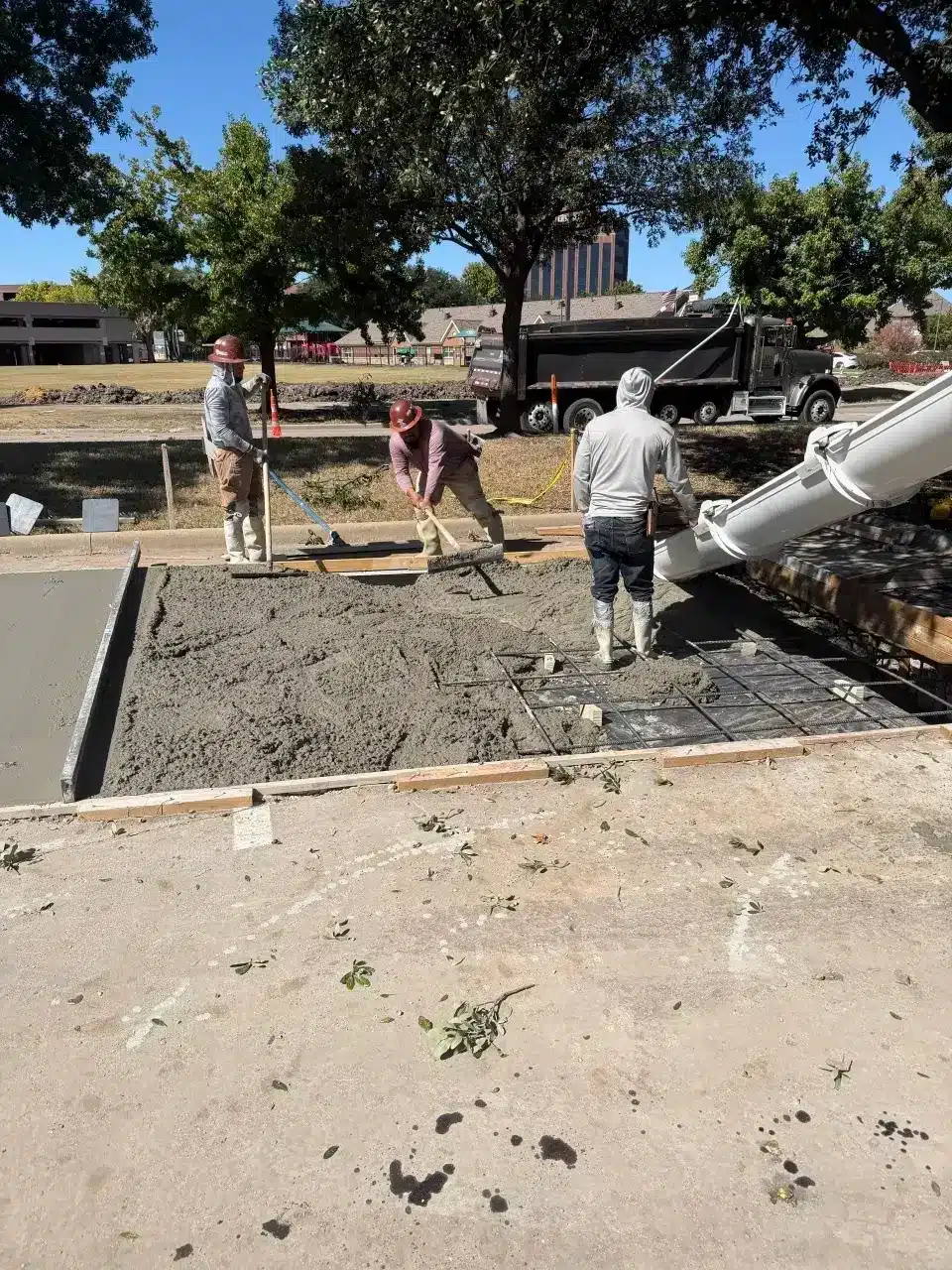
Three construction workers finishing wet concrete in a foundation with a concrete mixer truck nearby

We carry the site's soil, drainage and access constraints through each stage.

  • Assess existing damage, measure fence runs and gate openings, and record driveway grades.
  • Request the 811 utility locate before digging, then review markings against planned excavation.
  • Write the scope, confirm permit requirements, and prepare applicable HOA paperwork.
  • Install with direct employees, using the one-third depth rule for concrete post footings.
  • Walk through the completed work and test powered gates, controls and safety sensors.

Where we work in Allen

The Preserve

Nearby cities we also serve

Plano, McKinney, Frisco, Richardson, Prosper, Addison

What affects the cost in Allen

For Allen projects, material choice and dimensions are only part of the scope. Access for excavation, removal of damaged work, concrete condition and permit requirements also affect the work involved. A leaning gate post or cracked pad needs assessment before we price an operator replacement around it.

Storm damage can extend beyond the most visible panel. We check connected posts, hardware and supports when defining repairs. New work near mapped flood areas also needs municipal review before the layout is settled. Our written scope identifies the proposed materials, repairs and site preparation so property owners can compare the actual work.

Questions from Allen property owners

Can you build near a mapped floodplain on my property?
Development within a FEMA-identified floodplain is prohibited under city policy. For work near a mapped flood area, municipal review is needed to determine whether the proposed location is permissible. Have that location reviewed before committing to concrete, drainage improvements or accessory structures.
Do fences and hardwired gate operators need city approval?
Approval requirements need confirmation for the specific fence, gate and operator scope. Municipal building and fire codes apply, but the supplied city information does not identify individual permit triggers. Before installation, we confirm the applicable requirements rather than assume every replacement follows the same approval route.
What should be checked after hail or high winds?
Exposed panels, gate hardware, operator enclosures and carport components need checks for impact damage or displaced connections. Include the supports and anchorage in that assessment, even where panel damage is more obvious. Local hail vulnerability and high-wind exposure make both damage types relevant to the repair scope.
Why check the ground before replacing a gate operator?
Ground movement can leave the gate misaligned even after an operator replacement. Expansive soil can shift its supporting post or pad, so movement and cracking matter to the repair decision. We assess those conditions before defining repairs rather than leave a displaced support unaddressed.

Plan Your Allen Gate or Fence Project

Share your location, gate width or fence length, and known drainage or storm damage so we can assess the site and quote in writing.