
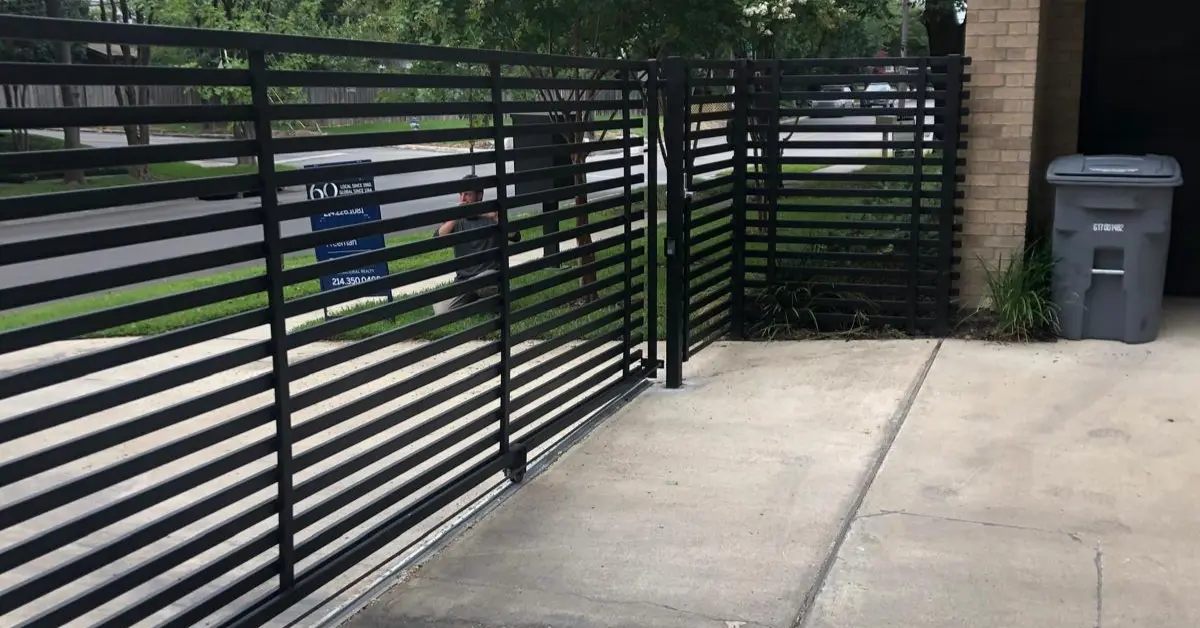
So your rolling system stopped working, and you’re wondering what to do next. Should you grab some tools and fix it yourself? Or is it time to call in the pros? I get this question all the time from property owners. After years of working on these systems, I’ve seen both successful DIY fixes and total disasters. This guide breaks down exactly when you can tackle rolling gate repair yourself and when you absolutely need professional help.
Understanding When Your Rolling Gate Needs Repair
First, let’s talk about recognizing the warning signs. Your system tells you when something’s wrong. Listen closely because catching problems early saves money. Strange grinding noises usually mean worn rollers or track issues. If the system moves more slowly than usual, the motor might be struggling.
I’ve worked on hundreds of these systems over the years. The most common issues I see involve track misalignment and motor wear. Sometimes debris builds up in the track and causes problems. Other times, the chain or belt needs adjustment. Knowing what’s wrong helps you decide if rolling gate repair is something you can handle alone.
Common DIY Fixes for Sliding Gates You Can Try
Here’s the good news. Some basic maintenance tasks are totally safe for homeowners. You don’t need professional training for every little issue. Cleaning tracks, tightening loose bolts, and lubricating moving parts are fair game. These simple steps often solve minor problems quickly.
However, know your limits with sliding gates and similar systems. I always tell customers to stick with visual inspections and basic cleaning. Check for obvious obstructions in the track. Look for loose screws on panels and hinges. These tasks keep your system running smoothly between professional visits.
Simple Maintenance Tasks You Can Handle Safely
Want to know what’s safe to do yourself? Here’s my quick list of DIY-friendly tasks:
- Clean tracks with a damp cloth to remove dirt and debris
- Tighten visible bolts and screws on panels monthly
- Apply lubricant to rollers and hinges every few months
- Test the photo-eye sensors by blocking and unblocking them
- Clear vegetation growing near the track or motor housing
These basic steps extend the life of your system significantly. I recommend making them part of your regular home maintenance routine. Just remember, rolling gate repair involving electrical components or heavy parts requires professional attention.
Why Professional Rolling Gate Repair Services Make Sense
Now let’s discuss why calling experts often makes more sense. These systems involve serious weight and tension. The average commercial rolling system weighs several hundred pounds. That’s not something you want falling on you or your car.
I’ve responded to too many calls where DIY attempts went wrong. One customer tried adjusting the tension himself. He ended up with a broken arm and a damaged system. Professional rolling gate repair technicians train specifically for this work. We have the right tools and safety equipment. More importantly, we understand how all the components work together as a system.
Electric Gate and Security Gate Repair Considerations
Electric systems add another layer of complexity to the equation. Your driveway setup likely includes safety sensors, circuit boards, and motor controls. These electrical components require specialized diagnostic tools. Guessing at the problem usually wastes time and money.
Security systems present even bigger challenges for DIY attempts.
These setups often integrate with access control and surveillance equipment. When you need security gate repair, improper work can compromise your entire property’s protection. A professional repair service ensures everything functions correctly and maintains your security. Trust me, rolling gate repair on electric systems isn’t worth the risk.
Choosing a Reliable Gate Repair Service Near You
Finding the right company matters just as much as getting help. Not all repair services deliver the same quality. I recommend checking online reviews and asking for references. A reputable door company will happily provide this information.
Look for technicians with specific experience on your type of system. Someone who mainly works on residential garage door setups might struggle with commercial rolling systems. Ask about their training, insurance coverage, and warranty policies. The best gate repair service providers offer transparent pricing with no hidden fees. They also provide written estimates before starting any work.
Emergency Gate Repair vs. Scheduled Maintenance
Here’s something many property owners overlook completely. Preventive maintenance costs far less than emergency calls. When your system fails at midnight, you’ll pay premium rates. Scheduled rolling gate repair appointments fit your budget much better.
I always encourage customers to establish regular maintenance schedules. Most systems benefit from professional inspections twice yearly. We catch small issues before they become expensive emergencies. This approach keeps your installation service investment protected long-term. Plus, you avoid those stressful situations where your property sits vulnerable and exposed.
Making the Smart Choice for Your Rolling Gate Repair Needs
Let’s wrap this up with some practical advice. DIY works great for basic cleaning and minor adjustments. Save those tasks for yourself and feel good about it. But anything involving springs, motors, or electrical work deserves professional attention.
Your rolling system protects your property and family daily. It deserves proper care from trained technicians who understand these systems completely. When you need rolling gate repair beyond basic maintenance, call the experts. The small investment in professional service prevents costly damage and dangerous accidents. I’ve seen it time and time again throughout my career. Smart property owners know when to call for help, and that decision always pays off.
Frequently Asked Questions
Q: Can I replace a rolling gate motor myself?
A: I strongly advise against DIY motor replacement. These units connect to electrical systems and support heavy components. Improper installation creates safety hazards and often voids warranties. Professional technicians ensure correct wiring, proper calibration, and safe operation. The money saved on DIY rarely covers potential damage or injury costs.
Q: How often should I schedule professional maintenance?
A: Most residential systems benefit from annual professional inspections. Commercial properties with heavy daily use should schedule semi-annual maintenance visits. High-traffic locations might need quarterly attention. Regular maintenance catches wear before failures occur. This preventive approach extends system life and reduces overall repair costs significantly.
Q: What causes most rolling gate failures?
A: Track obstructions and misalignment cause many problems I encounter daily. Worn rollers and motor issues come next on the list. Weather damage affects outdoor systems significantly over time. Lack of regular lubrication accelerates wear on moving parts. Most failures stem from deferred maintenance rather than sudden component breakdowns.
Q: How long do rolling gate systems typically last?
A: Quality systems last 15 to 25 years with proper maintenance. Motors typically need replacement every 8 to 12 years. Tracks and structural components often outlast multiple motor units. Regular professional maintenance maximizes system lifespan considerably. Neglected systems fail much sooner and cost more in emergency repairs throughout their shortened life.
Q: Should I attempt repairs if my system is still under warranty?
A: Never attempt DIY repairs on warrantied systems. Most manufacturers void warranties when unauthorized persons work on their products. Even simple adjustments can create problems with warranty claims later. Always contact your installation company or manufacturer for covered repairs. Protecting your warranty saves significant money on potential future issues.