
Trenching 101: Utility Service Explained
You see them everywhere. Those long, narrow ditches running through construction sites and neighborhoods. Trenching is one of the most common tasks in construction and landscaping work. At Star Gate & Fence, we regularly dig trenches for fence posts, utility lines, and drainage systems. It looks simple from the outside. However, there is real skill involved in doing it right. This guide covers everything you need to know about this essential process. We will walk through equipment, safety, and best practices together.
What Is Trenching and Why Does It Matter?
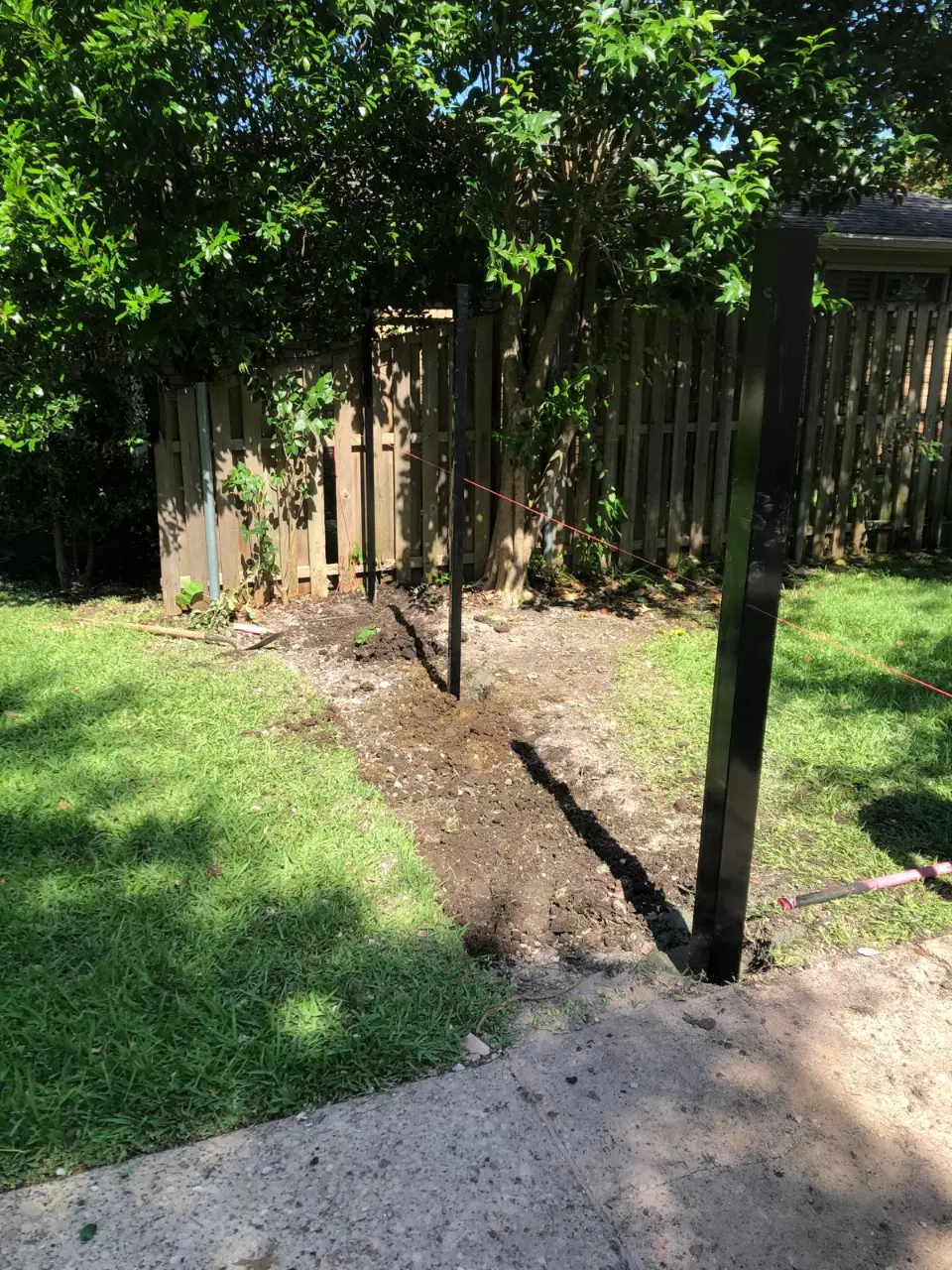
Simply put, trenching means digging a narrow channel into the ground. The depth is usually greater than the width. We use these channels to install pipes, cables, and foundations. Every time you flip a light switch, water flows, or your fence stands tall, trenching made it happen.
This process matters because it supports our entire infrastructure. Without proper excavation techniques, utility lines would fail. Buildings would lack stable foundations. Drainage systems would not function correctly. Our team at Star Gate & Fence handles trenching projects of all sizes. We have seen firsthand how quality work prevents future problems. Poor technique leads to collapsed walls, damaged utilities, and costly repairs down the road.
Common Types of Trenches in Civil Engineering
Not all trenches serve the same purpose. The type you need depends entirely on your project goals. Civil engineering projects require different approaches than residential fence installation. Understanding common types of trenches helps you plan better.
Foundation trenches support building structures and walls. They need precise depths and flat bottoms. Pipe trenches carry water, sewage, and gas lines underground. These require careful slope calculations for proper flow. Cut-off trenches prevent water seepage under dams and levees. Each type demands specific techniques and equipment. Our crews adapt their approach based on what the job requires.
Utility and Drainage Applications Explained
Utility work accounts for a large share of trenching projects. We dig channels for electrical conduits, water mains, and communication cables daily. These trenches need exact specifications. Utility companies have strict requirements for depth and backfill materials.
Drainage applications solve water problems around properties. French drains, for example, redirect groundwater away from foundations. Storm drains handle surface runoff during heavy rain. We regularly install drainage systems throughout our service area. The key is proper slope and gravel bedding. Without correct installation, water pools instead of flowing away. Trust us, fixing flooded basements costs way more than doing trenching right the first time.
Essential Machinery and Equipment for Excavation
The right tools make trenching efficient and safe. Small residential jobs only need basic hand tools. Larger commercial projects require serious machinery. Knowing when to use what saves time and money.
Modern excavation relies heavily on mechanical equipment. Walk-behind trenchers handle narrow channels quickly. Excavators tackle deeper, wider projects with ease. Backhoes offer versatility for a wide range of site conditions. We invest in quality machinery because it delivers better results. Explore equipment topics with your contractor before starting any project. Understanding what they use helps set realistic expectations for timeline and cost.
When to Use a Trencher vS a Shovel
Here is a question we get constantly. Should you rent a trencher or grab a shovel? The answer depends on several factors.
A shovel works fine for very short runs. Think under 10 feet in soft soil. Hand digging also makes sense near existing utilities. You get more control and reduce damage risk. However, manual work exhausts you quickly on longer projects.
A trencher becomes worth it for anything substantial. These machines cut through soil fast and create uniform channels. Equipment rental guides often recommend trenchers for runs over 20 feet. Our crews use both methods depending on site conditions. Sometimes we start with machinery, then finish with shovels near sensitive areas.
Understanding Trenching Hazards on the Job Site
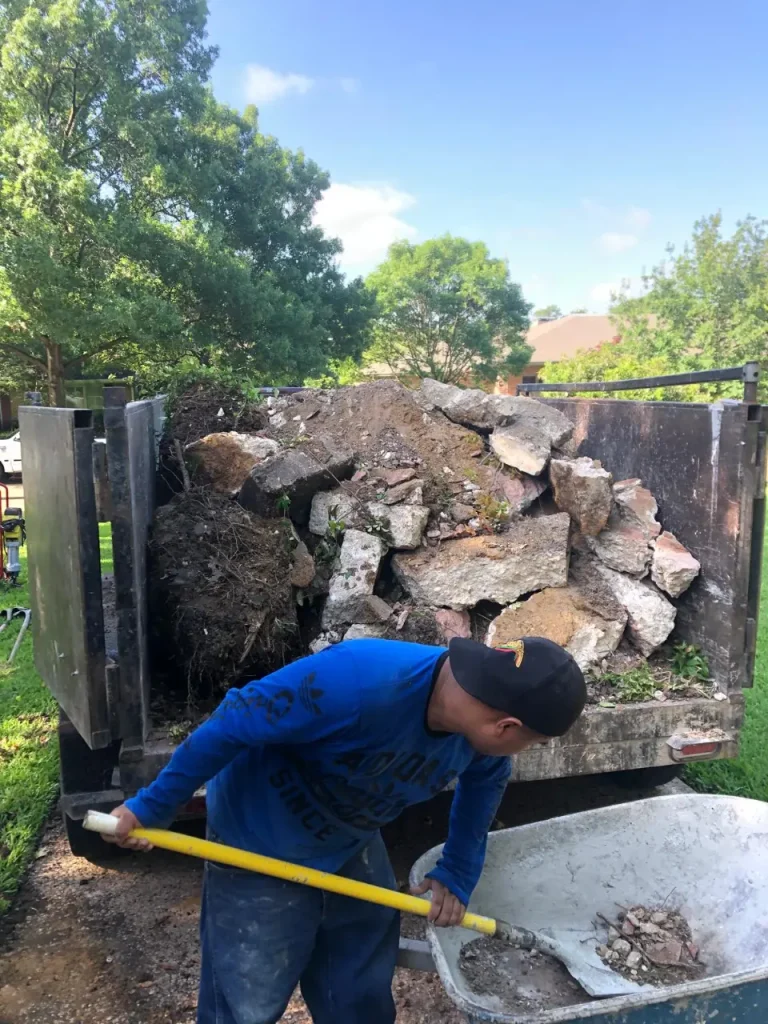
Let’s talk about the serious stuff now. Trenching ranks among the most dangerous construction activities. Cave-ins kill workers every year. Hazard awareness literally saves lives.
Here are the main risks we watch for:
- Soil collapse and cave-ins from unstable walls
- Falling loads from equipment operating nearby
- Hazardous atmospheres in deep excavations
- Water accumulation creates unstable conditions
- Contact with underground utilities
These trenching hazards deserve respect. We never enter deep excavations without proper shoring in place. Shore systems brace the walls and prevent collapse. Every crew member learns to recognize warning signs. Cracked soil, water seepage, and vibrations all signal danger. Walking away beats getting buried every single time.
Trenching Safety Tips Every Worker Should Know
Safety starts before the first shovel hits dirt. Proper planning prevents most accidents. We follow strict protocols on every job site at Star Gate & Fence.
First, always call 811 before digging. This service marks underground utility locations for free. Hitting a gas line creates immediate danger. Next, inspect the excavation daily for changes. Weather affects soil stability dramatically. Finally, keep heavy equipment away from trench edges. The weight can cause sudden collapse.
Protective systems become mandatory beyond specific depths. OSHA requires shoring, sloping, or shielding for trenches deeper than 5 feet. We use these systems even in shallower situations when the soil looks questionable. Your safety matters more than saving a few minutes. Never cut corners on protection, period.
Trust Star Gate & Fence for Your Trenching Needs
We have covered a lot of ground here. Trenching involves more complexity than most people realize. From choosing equipment to preventing hazards, every detail matters. Our team brings years of hands-on experience to every project.
Star Gate & Fence handles trenching for fence installation, utility runs, and drainage solutions. We own professional-grade machinery and train our crews thoroughly. Safety remains our top priority on every job site. When you work with us, you get quality results without the risk of DIY disasters.
Ready to start your project? Contact Star Gate & Fence today for a free estimate. We will assess your site and recommend the best approach. Let our expertise handle the hard work while you enjoy the finished results.
Frequently Asked Questions
Q: How deep can I dig without calling 811?
A: You should always call 811 before any digging project. There is no safe depth that guarantees avoiding utilities. Some cables and pipes sit just inches below the surface. The call is free and typically provides markings within a few days. This simple step prevents dangerous, costly accidents.
Q: What is the difference between trenching and excavation?
A: Trenching creates narrow, deep channels where depth exceeds width. Excavation refers to any removal of earth, regardless of shape. A basement dig is excavation, but not trenching. Installing a water line requires trenching. Both terms describe earthmoving, but trenching has that distinctive narrow profile.
Q: How much does professional trenching cost per foot?
A: Costs typically range from $4 to $12 per linear foot. Price depends on depth, soil type, and accessibility. Rocky ground costs more than soft soil. Projects requiring shoring add expense, too. We provide detailed quotes after assessing your specific site conditions and requirements.
Q: Can I dig a trench in my yard without a permit?
A: Permit requirements vary by location and project scope. Shallow landscaping trenches often require no permit. However, utility installation usually requires one. Always check with your local building department first. Unpermitted work can result in fines and the removal of completed work.
Q: How long does a typical residential trenching project take?
A: Most residential jobs are completed within one to three days. A simple fence line can be built in just a few hours with the proper equipment. Complex drainage systems with multiple runs need more time. Weather delays can extend timelines unexpectedly. We provide realistic schedules during our initial consultation.
Q: What should I do if I accidentally hit a utility line?
A: Stop work immediately and evacuate the area. Do not touch damaged lines or attempt repairs yourself. Call 911 if you smell gas or see sparks. Then contact the utility company to report the damage. Never assume a line is safe, even if nothing obvious happens right away.