
Signs of a Faulty Water Meter? 2026 Guide
Have you noticed your bill creeping up for no apparent reason? You might be dealing with a faulty water meter. These devices measure every drop flowing into your home. When they stop working correctly, your wallet feels it first. I’ve helped countless homeowners figure out why their bills looked wrong. Most times, the culprit was sitting right in their yard. This guide walks you through the warning signs. You’ll also learn how to diagnose problems yourself.
What Is a Faulty Water Meter and Why Should You Care?
This device tracks how much water flows into your property. It sits between the main supply line and your home’s plumbing. When working correctly, it gives accurate readings for billing. A faulty water meter either overcounts or undercounts your usage. Either way, you end up with problems.
Over-counting means you pay for usage you never had. Under-counting sounds nice until the utility company catches it. Then you face back-charges that hurt. I’ve seen bills jump by hundreds of dollars due to equipment errors. The device might look fine from the outside. Inside, worn parts or debris can cause significant measurement errors.
Common Signs of a Faulty Water Meter to Watch For
Your bill tells a story. A sudden spike without lifestyle changes points to trouble. You didn’t run the sprinklers more or add house guests. Yet the bill doubled anyway. That’s a red flag worth investigating right away.
Physical damage also signals problems. Cracks, rust, or condensation inside the cover matter. I always tell people to do a quick visual check monthly. Look for anything that seems off or different. Strange noises near the box deserve attention, too. Grinding or clicking sounds mean internal parts are failing.
Sudden Changes in Water Pressure
A drop in pressure throughout your house raises concerns. A faulty water meter can restrict flow when parts break inside. You might notice weak showers or slow toilet flushes. These symptoms often appear gradually over weeks.
High pressure can also indicate issues. When the unit partially sticks, it creates buildups. This strains your pipes and fixtures. I’ve replaced units where homeowners thought they needed new plumbing. Turns out the device was the whole problem. Changes in water pressure always deserve investigation.
A drop in pressure throughout your house raises concerns. A faulty water meter can restrict flow when parts break inside. You might notice weak showers or slow toilet flushes. These symptoms often appear gradually over weeks.
High pressure can also indicate issues. When the unit partially sticks, it creates buildups. This strains your pipes and fixtures. I’ve replaced units where homeowners thought they needed new plumbing. Turns out the device was the whole problem. Changes in water pressure always deserve investigation.
Inconsistent Water Meter Readings
Check your reading weekly at the same time. Write down the numbers and compare them. Wild swings between readings suggest the equipment is defective. Consistent household usage should produce consistent numbers.
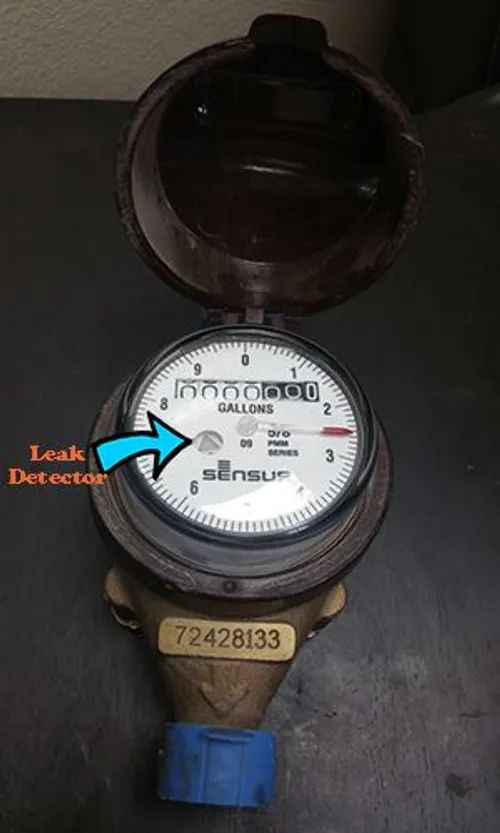
Try this simple test I use all the time. Turn off every source inside and outside your home. Then watch the dial for fifteen minutes. It shouldn’t move at all during this period. If it does, you either have a leak or a faulty meter. This quick check saves people lots of headaches.
How to Check If Your Water Meter Is Faulty
Start by locating your box, usually near the street. Remove the cover carefully and clean off any debris. Read the current number and write it down. Now run a specific amount through your fixtures inside.
Fill a five-gallon bucket with your hose or from the bathtub. Recheck the reading and do the math. It should show exactly five gallons used, nothing more. Anything significantly different confirms a problem exists. I recommend repeating this test three times for accuracy. If numbers vary wildly, you need professional attention.
Smart Meter Technology and Accurate Measurement
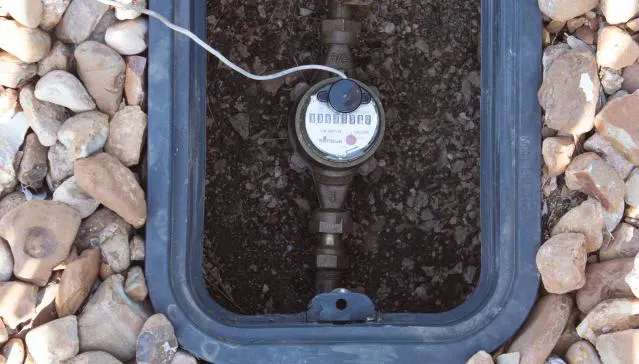
Smart devices offer real-time monitoring through digital displays. They send data directly to utility companies wirelessly. This technology significantly reduces human reading errors. Many homeowners now request upgrades for better accuracy and convenience.
However, digital units aren’t perfect either. Software glitches can cause faulty meters just as mechanical failures do. The good news is that problems get detected faster with this technology. Your utility company immediately notices unusual patterns. They can investigate before your bill becomes outrageous. Ask your provider about upgrade options in your area.
When Is It Time to Replace a Water Meter?
Most units last 15 to 20 years under proper conditions. Age alone doesn’t guarantee failure, though. Hard supply lines, debris, and freezing temperatures shorten lifespan considerably. A replacement becomes necessary when repairs exceed the cost of new equipment.
Here are clear signs you need a new unit:
- Repeated inaccurate readings after professional calibration
- Visible corrosion or physical damage to the housing
- The equipment is over twenty years old
- Repair technicians recommend replacement twice
- Your utility company flags consistent measurement errors
Don’t delay when these signs appear. Waiting only costs more money long-term.
Simple Ways to Prevent Water Meter Problems
Protecting your equipment starts with basic maintenance. Keep the box clear of dirt and standing liquid. Debris entering the mechanism causes wear and inaccuracy. I check mine every month when mowing the lawn nearby.
Prevent water from freezing inside during cold months. Insulate the box if you live in a harsh climate. Frozen units crack and fail over time. Also, avoid parking vehicles over the box area. The weight compacts the soil and damages underground connections. These simple habits significantly extend equipment life.
Stay Ahead of Faulty Water Meter Issues
Catching a faulty water meter early saves money and frustration. Pay attention to your bills and check usage patterns regularly. Don’t ignore the warning signs we discussed today. A few minutes of monthly inspection prevents major headaches later.
When something seems wrong, trust your instincts completely. Contact your utility company to request a test on your unit. Most providers offer this service for free or at a cheap rate. You can also hire a licensed plumber for an independent evaluation. Either way, accurate measurement fully protects your budget. Your bill should reflect what you actually use, nothing more.
Frequently Asked Questions
Q: How much does it cost to have my unit tested for accuracy?
A: Most utility companies test equipment free upon request. They want accurate billing, too. Independent plumber testing typically costs $50 to $100. The test involves measuring flow against the displayed readings. If the unit fails, the company usually replaces it at no charge. Always request written results from any testing performed.
Q: Can a malfunctioning unit cause low pressure throughout my house?
A: Yes, internal damage restricts flow significantly through your pipes. Broken parts or debris buildup create blockages inside the device. This reduces pressure on all fixtures in your home. However, low pressure can have many possible causes. Check the unit first since it’s an easy inspection. Then, investigate other plumbing issues if everything seems fine.
Q: Who is responsible for replacing a defective unit?
A: Utility companies typically own and maintain the equipment themselves. They handle replacements when the device fails due to everyday use. However, if the damage results from homeowner negligence, you might have to pay. This includes vehicle damage or improper landscaping around the box. Contact your provider to understand their specific policies and responsibilities.
Q: How often should this equipment be replaced as a preventive measure?
A: Industry standards recommend replacement every fifteen to twenty years. Some utilities replace them automatically on this schedule. Others wait until problems develop before taking action. Ask your utility company about their replacement timeline. Proactive replacement prevents sudden failures and future billing disputes.
Q: Will my utility company adjust my bill if my unit was defective?
A: Most companies offer bill adjustments when errors are confirmed. They typically average your recent usage to calculate fair charges. Keep records of your usual consumption patterns for comparison. The adjustment process varies significantly by provider and location. Contact customer service immediately when you suspect equipment problems.
Q: Can I replace my unit myself to save money?
A: No, replacement requires licensed professionals in most areas legally. Under most agreements, the equipment belongs to the utility company. Tampering with it can result in fines or service disconnection. Additionally, improper installation causes leaks and further inaccuracies. Always contact your utility provider when replacement becomes necessary.