
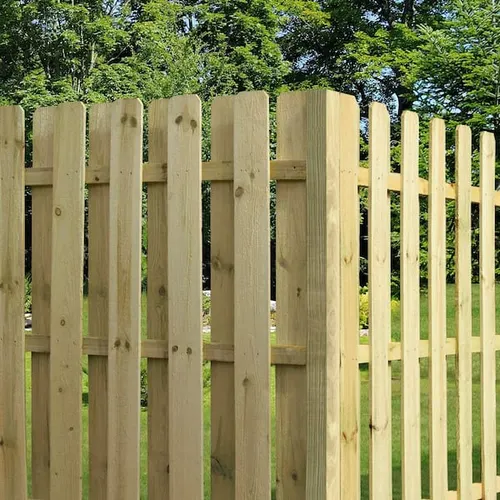
Calculating Your Fence Installation Costs | 2026 Edition
I’m part of the Star Gate & Fence team here in Dallas, Texas. Over the years, I’ve walked hundreds of properties with homeowners scratching their heads over pricing. The truth is, fence installation costs vary widely based on factors most folks never consider. I’ve seen quotes swing by thousands of dollars on the same project. That’s why I want to break down what actually drives your numbers. By the end of this guide, you’ll be able to estimate your fence cost with confidence. Let’s dig in together.
What Affects Your Fence Installation Cost in Texas
Every property tells a different story. I recently quoted two neighbors with identical lot sizes. One came in at $3,200, the other at $5,800. The difference? Terrain and access.
Sloped yards require extra labor and materials. Rocky soil means more time breaking ground for posts. If my crew can’t get equipment close to the work area, we’re hauling everything by hand. That adds hours to the job.
Your fence material choice matters just as much. Cedar costs more than pine. Vinyl beats both in durability, but hits the wallet harder upfront. Then there’s the height question. A six-foot privacy fence uses more lumber than a four-foot picket style.
Gate placement also affects the cost. Every gate needs additional hardware, hinges, and framing. I always ask clients how many entry points they need before running numbers.
Average Fence Installation Cost by Material Type
Here in Texas, I see three main fence material options dominate residential projects. Each carries its own price tag and lifespan.
Wood fencing runs between $15 to $35 per linear foot installed. Cedar sits at the higher end because it naturally resists rot. Pine needs staining every few years, but it saves money in the short term.
Vinyl fencing costs $20 to $40 per linear foot. It never needs painting and handles our Texas heat well. I recommend it for homeowners who hate maintenance.
Metal options, such as wrought iron, range from $25 to $60 per linear foot. These add serious curb appeal but require occasional rust treatment.
Chain Link vs. Wood Fence Cost Breakdown
Chain link remains the budget champion. Most homeowners pay $10 to $20 per linear foot for a new fence using this material. It works great for pet containment and property lines.
Wood offers privacy that chain link can’t match. You’re paying for that visual barrier. A standard six-foot cedar fence typically runs $2,500 to $4,500 for an average backyard.
I tell clients to think long-term. Chain link lasts 15-20 years with zero upkeep. Wood needs attention every 3-5 years to stay beautiful.
Cost to Install a Fence Per Linear Foot
Understanding linear foot pricing helps you budget accurately. Most professional fence installation companies quote this way.
Here’s a quick reference for Texas pricing:
- Chain link: $10-$20 per linear foot
- Wood (pine): $15-$25 per linear foot
- Wood (cedar): $20-$35 per linear foot
- Vinyl: $20-$40 per linear foot
- Wrought iron: $25-$60 per linear foot
These ranges include materials and labor. Your final fence installation cost depends on the specifics we discussed earlier.
I always measure the full perimeter during estimates. A 150-linear-foot cedar project at $25 per foot equals $3,750 before gates or extras.
Texas Fence Regulations Every Homeowner Should Know
Before installing any fence, you need permits and knowledge of local codes. Texas gives cities authority over fence rules, so requirements vary by location.
In Dallas, adhering to fence codes prevents headaches and fines. These regulations protect both you and your neighbors.
- Dallas City Code Chapter 51A – Limits residential fence height to 4 feet in front yards and 9 feet elsewhere. Consequences: mandatory removal or modification.
- Texas Property Code Section 202 – Governs HOA fence restrictions and approval processes. Consequences: fines and forced compliance.
- Dallas Building Inspection Requirements – Requires permits for fences over certain heights. Consequences: stop-work orders and penalties.
Non-compliance leads to costly corrections. Always verify current codes with your local building department before starting your fence installation project.
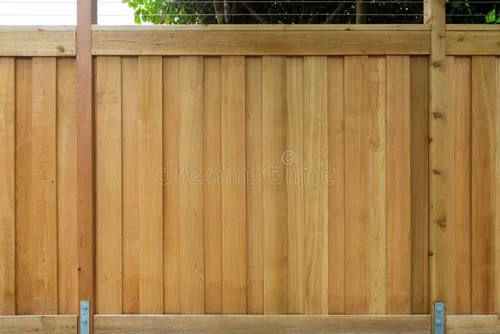
Professional Fence Installation vs. DIY
I get asked this constantly. Can you save money by installing it yourself? Sometimes yes, often no.
DIY makes sense for small, simple projects. A short picket fence section along a flower bed? Go for it.
Larger fence installation projects tell a different story. Professional crews bring specialized equipment. Post hole diggers, concrete mixers, and leveling tools dramatically speed up work.
We finish most residential fences in one to two days. DIY projects I’ve seen drag on for weeks. Your time has value, too.
The cost factors also include mistakes. I’ve replaced dozens of DIY fences where posts weren’t set deep enough. Texas freeze-thaw cycles push shallow posts right out of the ground.
When to Hire Professional Fence Installation Services
Certain situations demand professional help. Slopes steeper than 10 degrees require stepped or racked panels. Most homeowners lack the skills to execute this properly.
If your property line is unclear, professionals handle surveys and coordinate with neighbors. We’ve prevented countless disputes by getting this right upfront.
Any fence taller than 6 feet requires professional installation. The structural requirements increase significantly with height.
Our team at Star Gate & Fence provides written estimates with no surprises. As a family-owned company, we treat every homeowner like family.
Managing Your Fence Installation Cost in 2026
Smart planning keeps your fence installation budget under control. I recommend getting at least 3 quotes before committing.
Ask each company what’s included. Some quotes hide permit fees or post-hole charges. Others bundle everything transparently.
Timing affects pricing, too. Late fall and winter bring slower seasons for contractors. You might negotiate better rates during these months.
Consider phasing larger projects. Install the backyard this year, and the sides next year. This spreads your fence installation cost across multiple budgets.
At Star Gate & Fence, we believe in fair pricing for everyone. Whether you’re a homeowner, small-business owner, or contractor, our estimates remain reasonable. Contact us for honest guidance on your next fencing project.
Frequently Asked Questions
What is the cheapest fence to install in Texas?
Chain link fencing delivers the lowest fence installation cost across Texas. Most homeowners pay $10-$20 per linear foot for standard 11.5-gauge residential installations. However, I recommend considering 9-gauge wire for properties with dog or wildlife pressure. The thicker wire adds minimal cost while dramatically improving durability. Budget approximately $1,500-$2,500 for a typical 150-foot backyard perimeter with one walk gate.
How long does professional fence installation take?
Standard residential fence installation projects take one to three days with an experienced crew. A straightforward 150-linear-foot wood privacy fence typically takes 8-10 hours. Complex terrain, rocky soil conditions, or decorative elements extend timelines appropriately. We schedule concrete curing time before hanging gates, usually returning the following day for hardware installation and final adjustments.
Do I need a permit to install a fence in Dallas?
Dallas requires permits for most fence installations exceeding 4 feet in front yards or incorporating masonry elements. The permit process costs $50-$150 and requires 3-7 business days for approval. HOA communities add architectural review requirements with separate timelines. Skipping permits creates problems during home sales when title companies identify unpermitted structures. Always verify current requirements before starting work.
How deep should fence posts be set in Texas?
Texas fence posts require a depth of 24-36 inches, depending on fence height and local soil conditions. Our expansive clay soil demands the deeper end of this range. Standard practice sets posts at one-third their total length below grade. For 8-foot posts creating 6-foot fences, that means 32 inches underground. We pour concrete collars with gravel backfill to accommodate soil movement throughout seasonal moisture cycles.
When is the best time to install a fence?
Late fall through early winter offers optimal conditions for installing a fence in North Texas. Contractor availability increases while demand decreases, creating opportunities for negotiation. Moderate temperatures allow concrete to cure properly without extreme heat acceleration or the risk of freezing. Avoid scheduling during peak summer months when ground hardness increases, labor time, and material expansion complicate precise fitting.
How much should I budget for a backyard fence?
Average backyard fence installation costs range from $2,800 to $6,500 in the Dallas-Fort Worth area. A typical 150-200 linear foot perimeter using quality cedar runs $4,000-$5,500, including two gates. Chain-link installations reduce this to $2,200- $3,800. Add 10-15% contingency for unexpected soil conditions or utility line discoveries. Request itemized quotes specifying material grades before committing to any contractor.