
How To Choose The Right Aluminum Gate For Your Style
Picking the right aluminum gate can feel overwhelming with so many options out there. Trust me, I’ve helped countless homeowners and business owners work through this exact decision. The good news? Once you understand the basics, choosing becomes much simpler. Your gate should match your property’s look while providing the security you need. In this guide, I’ll walk you through styles, hardware, and installation tips that make the selection process easier.
Why an Aluminum Gate Works for Residential Properties
I always tell my residential clients that aluminum is hard to beat. It handles weather like a champ and won’t rust like steel or rot like wood. You get strength without the heavy weight. This matters when you’re opening and closing it daily.
An aluminum gate also gives you serious design flexibility. Want something ornamental with decorative scrollwork? No problem. Prefer clean, modern lines? That works too. I’ve installed gates that perfectly match the existing fencing and others that have become the property’s focal point. The finish options are endless, from classic black to custom colors that complement your home’s exterior.
Choosing the Right Post and Hinge for Your Fence
Here’s where many people make mistakes. Your gate is only as good as the post holding it up. I’ve seen beautiful gates sag within months because someone skimped on posts. Go with heavy-duty posts set in concrete for anything beyond a small garden gate.
Hinges matter just as much. Cheap hinges wear out fast, especially with daily use. I recommend adjustable hinges because they let you fine-tune the swing over time. This saves headaches down the road when settling occurs. Match your hinge capacity to the weight, and always add a bit of extra support for safety.
Stainless Steel Hardware That Lasts
When it comes to screws and hinges, stainless steel is worth every penny. I’ve replaced too many systems where owners used regular hardware that corroded within a year or two. Stainless steel screws resist rust even in humid or coastal areas. The same goes for stainless steel hinges.
The upfront cost is slightly higher. But you avoid replacement hassles and keep your system looking clean for years. Quality hardware is a non-negotiable part of any installation project.
Popular Aluminum Gate Styles for Commercial and Pool Areas
Commercial properties need gates that handle heavy traffic. I typically recommend simpler designs with fewer decorative elements for these settings. They’re easier to maintain and withstand frequent operation. Durability matters more than fancy details here.
Pool areas have specific requirements, too. Many local codes require self-closing and self-latching mechanisms. An aluminum gate works perfectly because it won’t warp from moisture exposure. I’ve installed pool gates that still look brand new after ten years of daily use around chlorinated water.
Here are the most popular style categories I work with:
- Ornamental options with decorative pickets and finials
- Privacy gates with solid panels or close-spaced bars
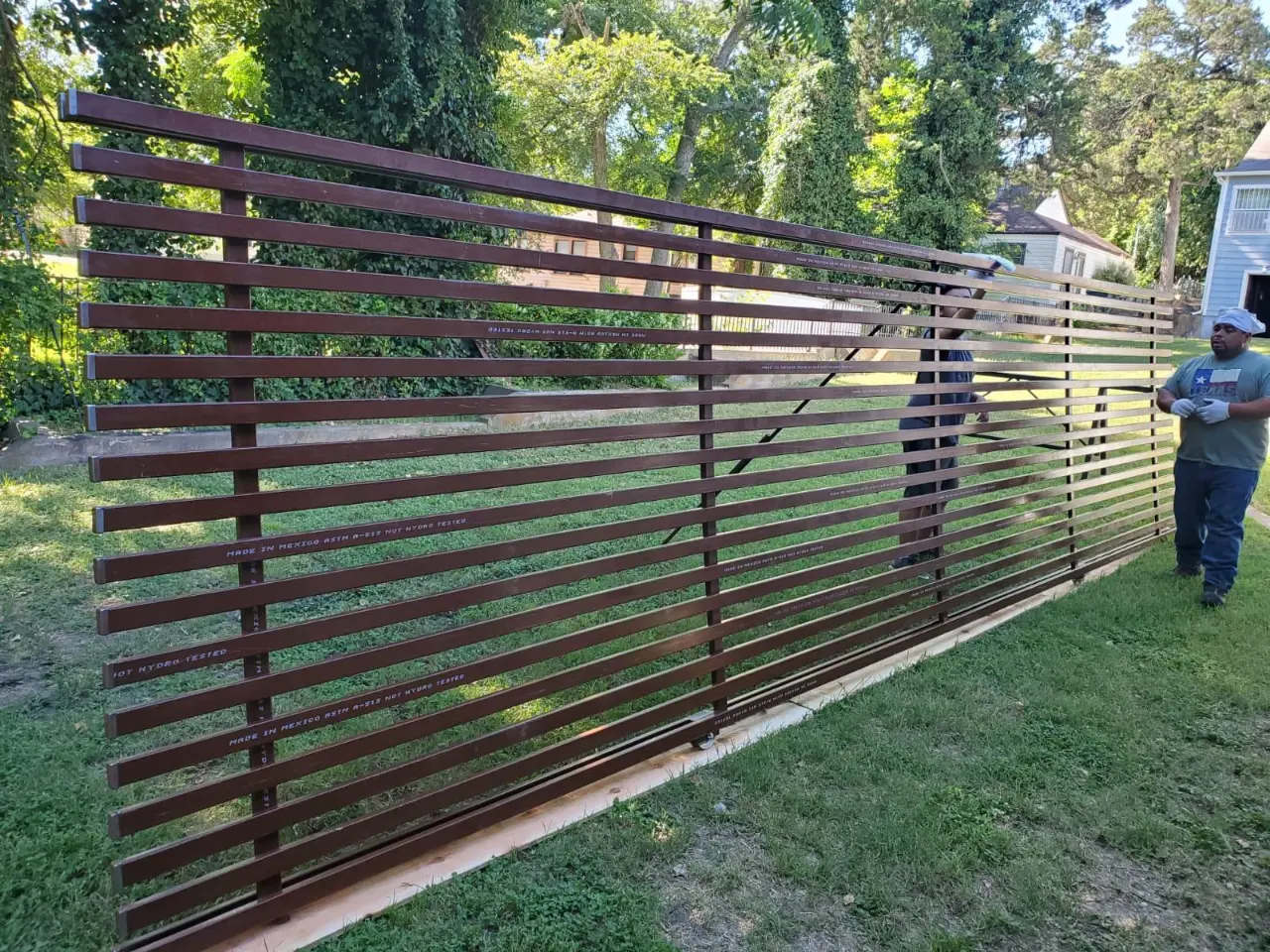
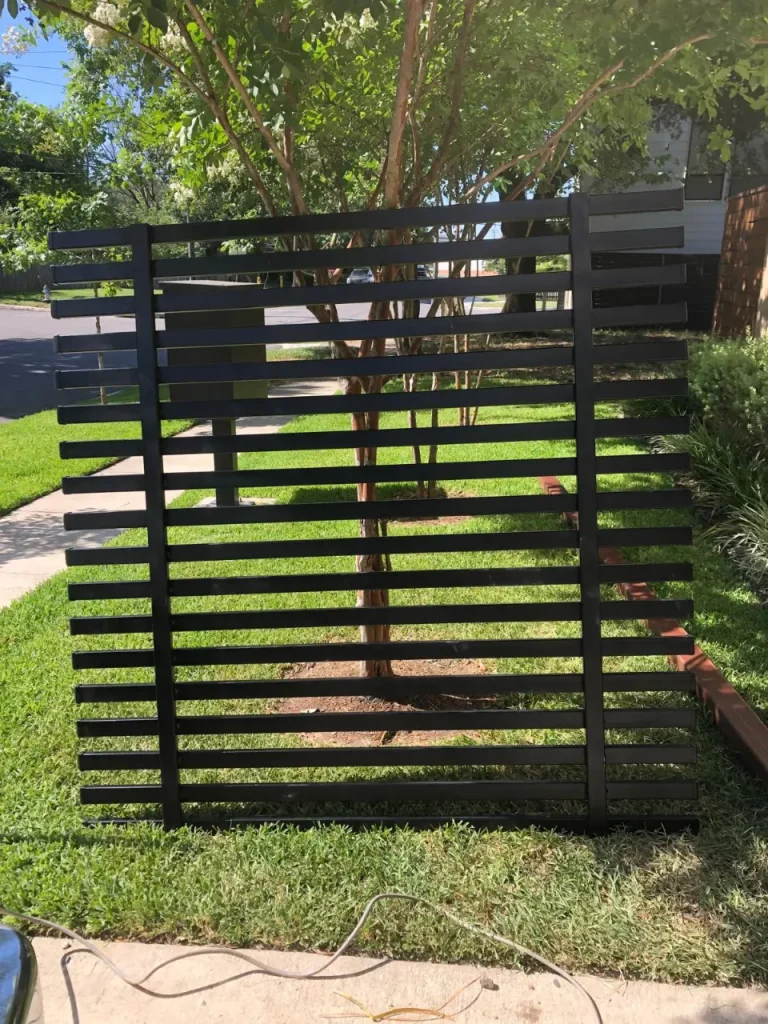
- Modern designs featuring horizontal lines and minimal design
- Arched options that add elegant curves to entrances
Wide and Cantilever Gate Options
Need a wider opening? Standard swing gates work up to a specific width. Beyond that, I often suggest cantilever gate designs. These slide along a track without dragging on the ground. They’re perfect for driveways and commercial entrances.
A cantilever gate requires more planning during installation. You need space beside the opening for the aluminum gate to slide into. But the smooth operation and professional look make it worthwhile for larger properties.
Installation Tips for Your Aluminum Fence Gate
Proper installation makes all the difference. I always start by checking that posts are perfectly plumb. Even small angles cause problems with swing and closure. Take your time here because rushing leads to callbacks.
Concrete footings need adequate cure time before hanging anything heavy. I wait at least 48 hours, sometimes longer in cold weather. Your aluminum gate will perform better when the foundation is rock solid from day one. Don’t skip this step thinking you’ll save time.
Drop Rod and Latch Features You Need
A quality latch keeps your gate secure when closed. I prefer latches that lock from both sides for convenience. Gravity latches work well for pool gates since they close automatically. Key-locking options add extra security for commercial applications.
Double gates need a drop rod to hold one side steady. Without it, both panels swing freely and won’t latch properly. The rod drops into a hole in the concrete below. Simple, effective, and often overlooked by DIY installers.
Understanding Pricing and Gate Kit Choices
Budget plays a role in every project. A basic kit includes the panels, hinges, and basic hardware. These work fine for simple applications where you’re just looking to close off a space. Pricing stays reasonable with standard sizes and finishes.
Custom options cost more but deliver precisely what you want. I’ve spec’d gates with specific heights, unique colors, and specialty hardware. The investment pays off when you see the finished result. Get quotes from multiple suppliers and compare what’s included before deciding.
Find the Perfect Aluminum Gate for Your Property
Choosing your aluminum gate comes down to balancing style, function, and budget. Consider your property’s needs first. Think about daily usage, security requirements, and how it should look alongside existing features. Don’t overlook hardware quality because it affects long-term performance.
I’ve worked on hundreds of installations over the years. Every successful project starts with asking the right questions. Take measurements carefully, research your options, and invest in quality components. Your aluminum gate will serve you well for decades when you get these fundamentals right.
Frequently Asked Questions
Q: How long does an aluminum gate typically last?
A: With proper installation and quality hardware, expect 20-30 years of reliable service. Aluminum resists rust and corrosion naturally. Powder-coated finishes add extra protection against fading and scratches. I’ve seen well-maintained gates last even longer in moderate climates. Regular cleaning and occasional hardware checks significantly extend the lifespan.
Q: Can I automate my aluminum gate later?
A: Absolutely. Aluminum’s lightweight nature makes it ideal for automation. Most swing and sliding gates accept standard operators. I recommend planning for automation during installation, even if you’re not ready yet. Running conduit and reinforcing posts now saves money compared to retrofitting later.
Q: What's the best finish for coastal areas?
A: Powder coating handles salt air better than paint. Choose marine-grade stainless steel hardware to prevent corrosion. Some manufacturers offer specialty coatings explicitly designed for coastal environments. I always recommend these upgrades for properties within a few miles of the ocean.
Q: How wide can a single swing gate be?
A: Most single panels work well up to about 6 feet wide. Beyond that, weight becomes an issue for hinges and posts. Wider openings typically need double or sliding designs. I assess each situation individually because property layout and usage patterns affect recommendations.
Q: Do aluminum gates require much maintenance?
A: Concrete driveways need minimal but consistent maintenance for best results. Clean the surface annually with a pressure washer to remove dirt and stains. Apply a quality concrete sealer every two to three years for protection. Address any cracks promptly before they spread further. Avoid using deicing salts during winter, which can cause surface damage over time.
A: Very little compared to wood or steel. Rinse with water occasionally to remove dirt and debris. Check hinges and latches yearly for smooth operation. Apply lubricant to moving parts as needed. That’s really it. I’ve had clients go years between any maintenance tasks.